





Infrastructure
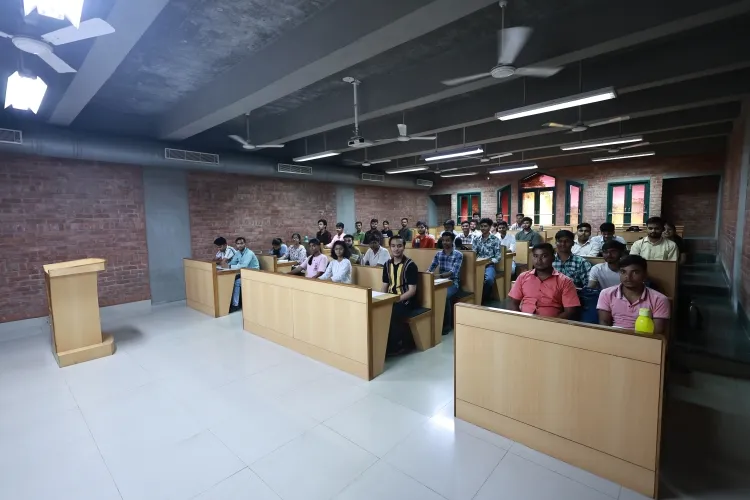
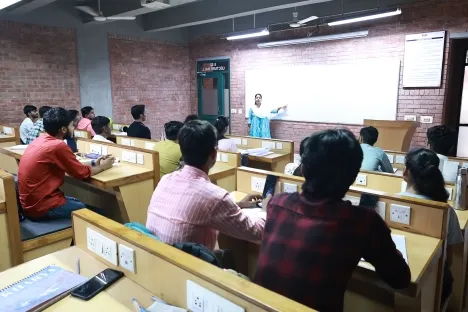
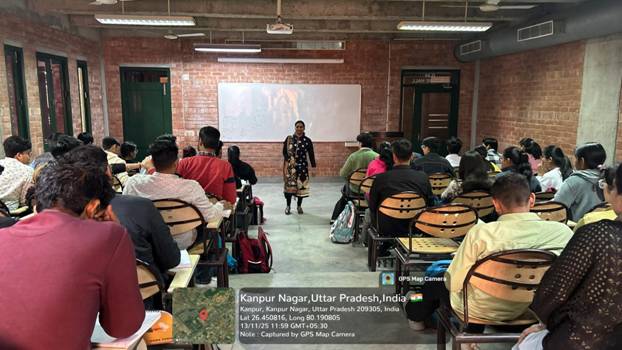
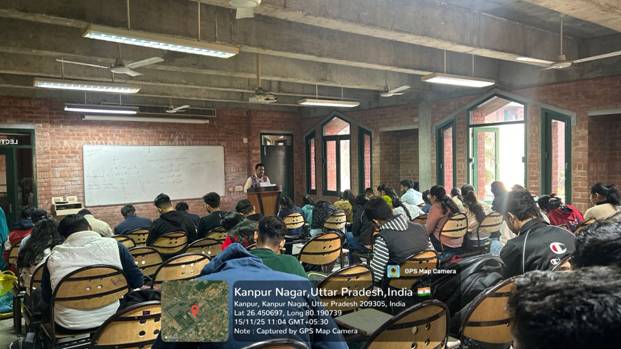
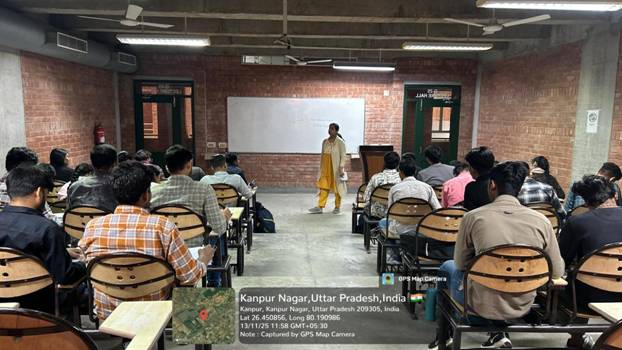
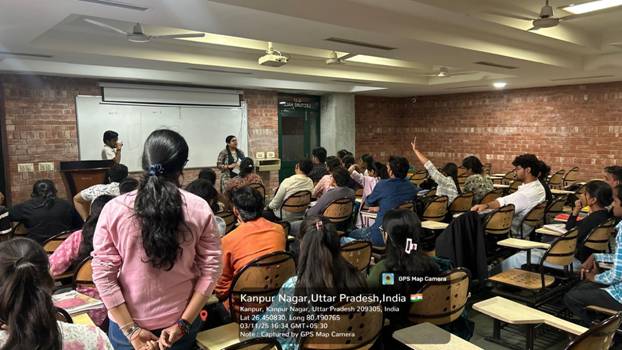
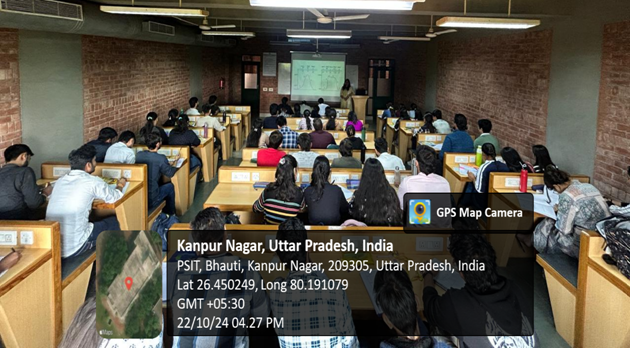
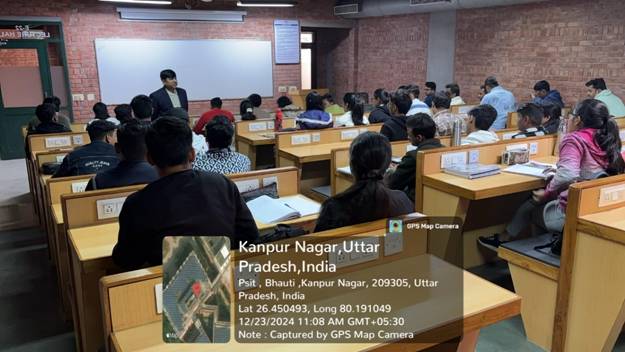
The institute provides adequate and well-maintained physical infrastructure to support effective teaching–learning activities. All classrooms are spacious, well-ventilated, and ergonomically furnished to ensure comfort during long academic sessions. Classrooms in the Gand E Blocks,along with seminar halls in the H and AA Blocks, are spacious, well-ventilated, and furnished with comfortable seating. E block classrooms are fully ICT-enabled with an LCD projector, fans , projection screen, podium, whiteboard, high-speed internetconnectivity, public-address system, and CCTV surveillance. Air-conditioning is available to maintain a comfortable learning atmosphere throughout the year. In addition, fire extinguishers and emergency safety signage are installed to ensure complete compliance with safetynorms.
The seating capacity of classrooms ranges from 64 to 120 and is sufficient to accommodate the sanctioned student strength as per curriculum requirements. Classrooms are allocated in a structured timetable to avoid overlap and ensure optimum utilization. Regularcleanliness, technical checks, and pest-control measures are carried out to maintain hygiene and protect equipment.
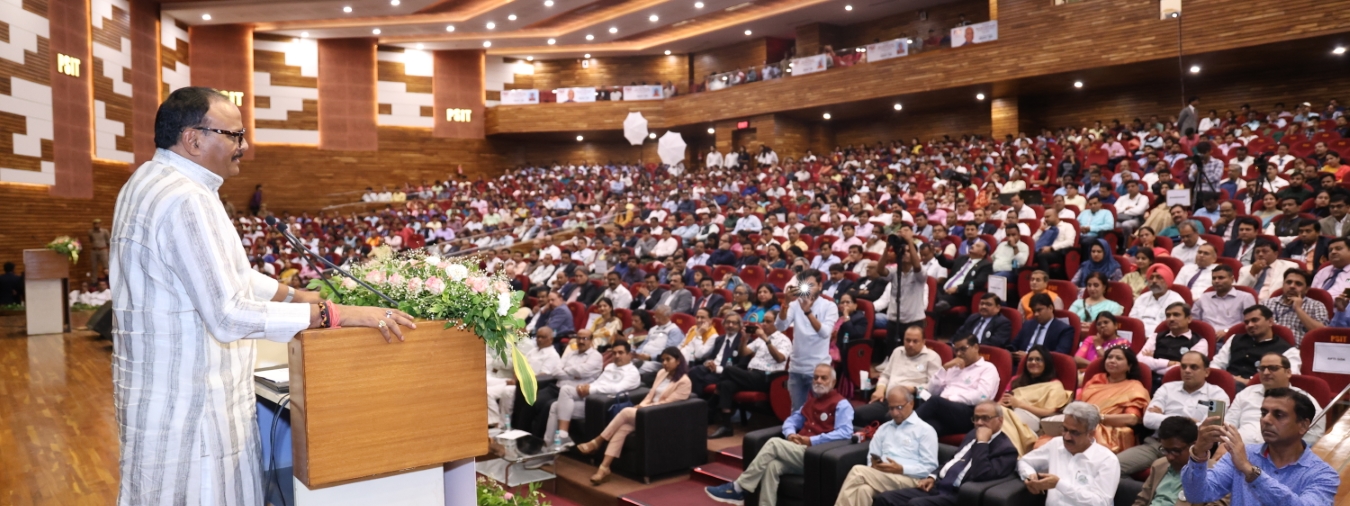
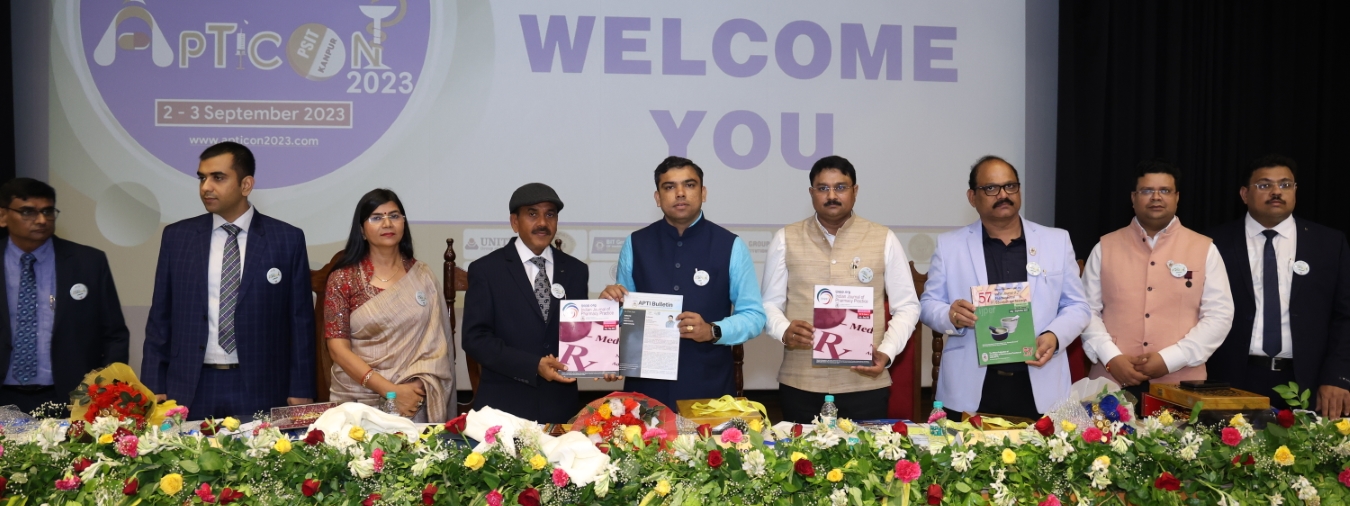
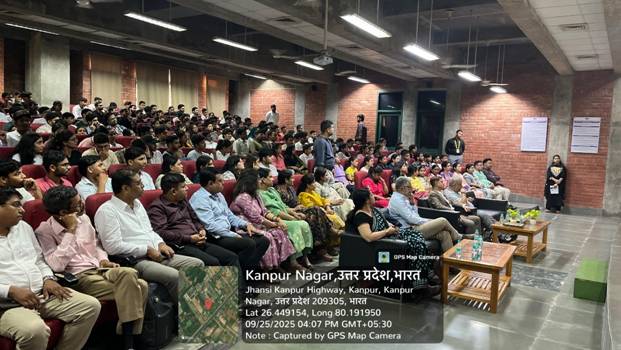
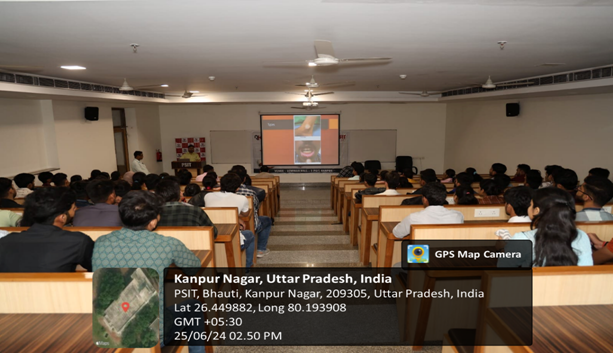
The institute also has two seminar halls equipped with high-definition audio-visual facilities for expert lectures, interactive sessions, co-curricular activities, conferences, and student presentations. In addition, a central auditorium with a seating capacity of more than 1,400learners is frequently utilized for professional events, national seminars, and academic gatherings.
Overall, the institute ensures that classroom facilities are not only adequate in number but also conducive to an engaging, learner-centric, and technology-enabled academic experience.
A Avant-garde AC-Dolby-Auditorium with a seating capacity of 1400 people is nothing less than a gem in the campus of PSIT . This auditorium holds immense pride of having been hosted several National And International Events.Many eminent personalities from various walks of life have graced the auditorium with their presence.
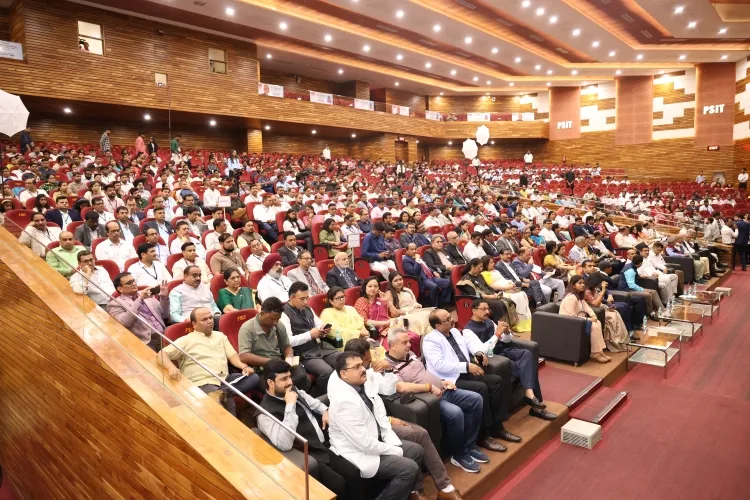
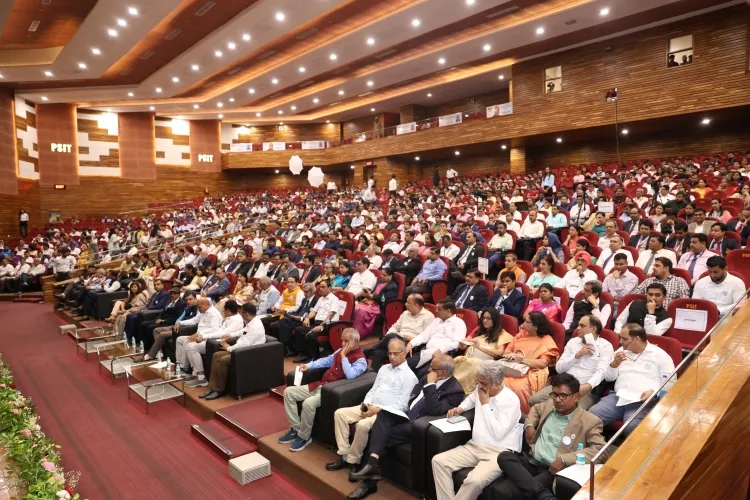
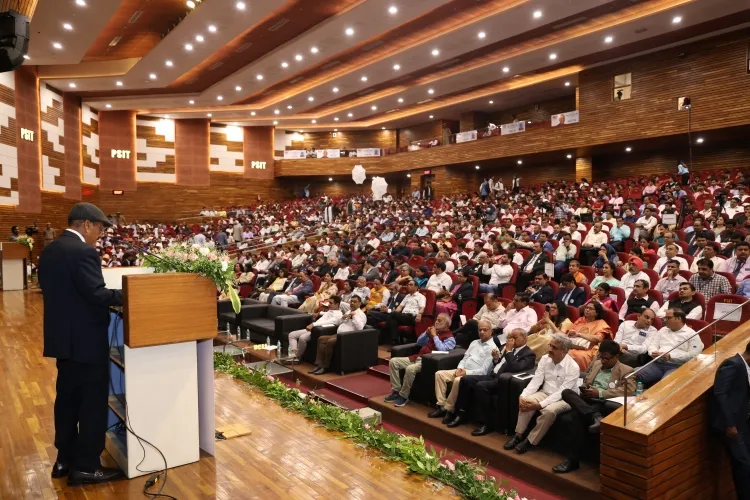
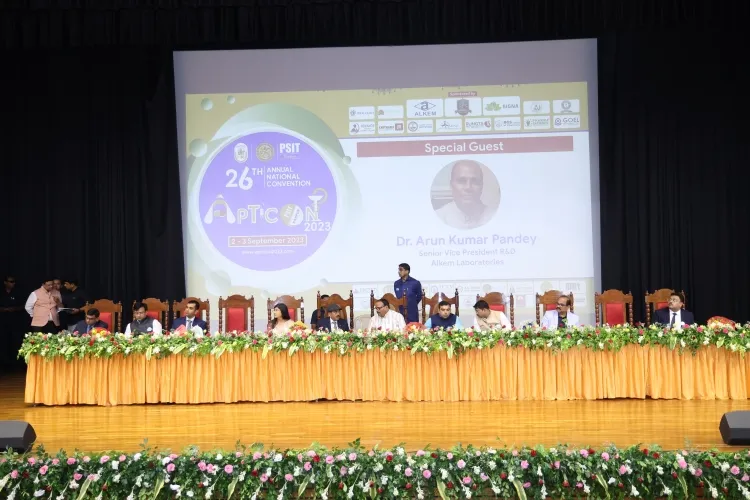
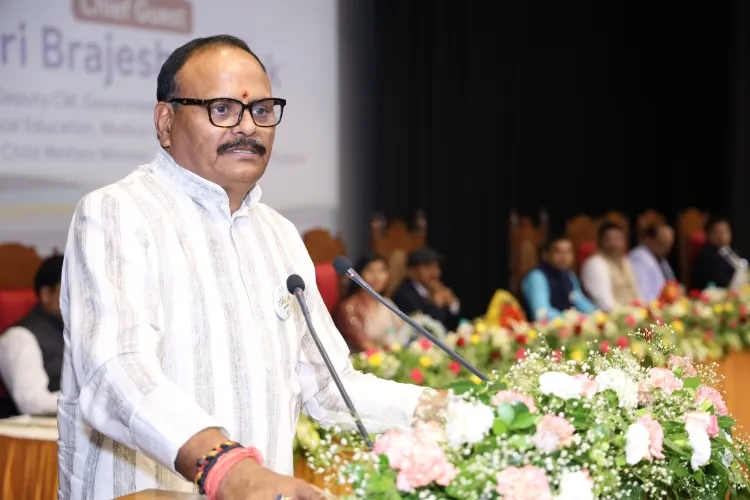
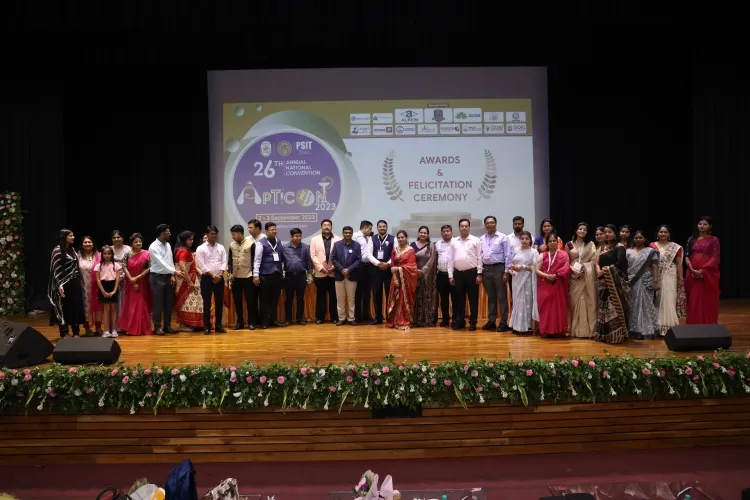
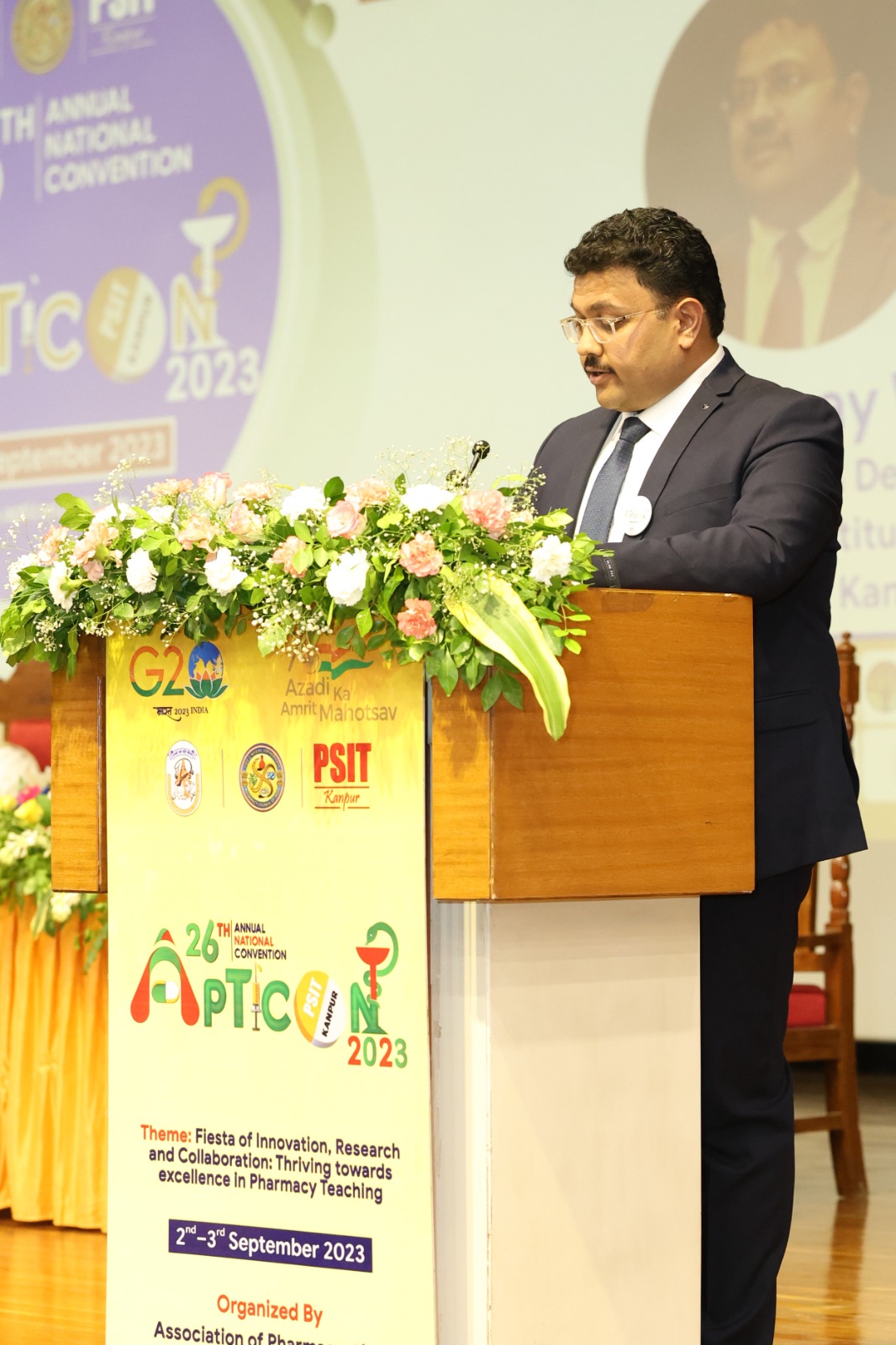
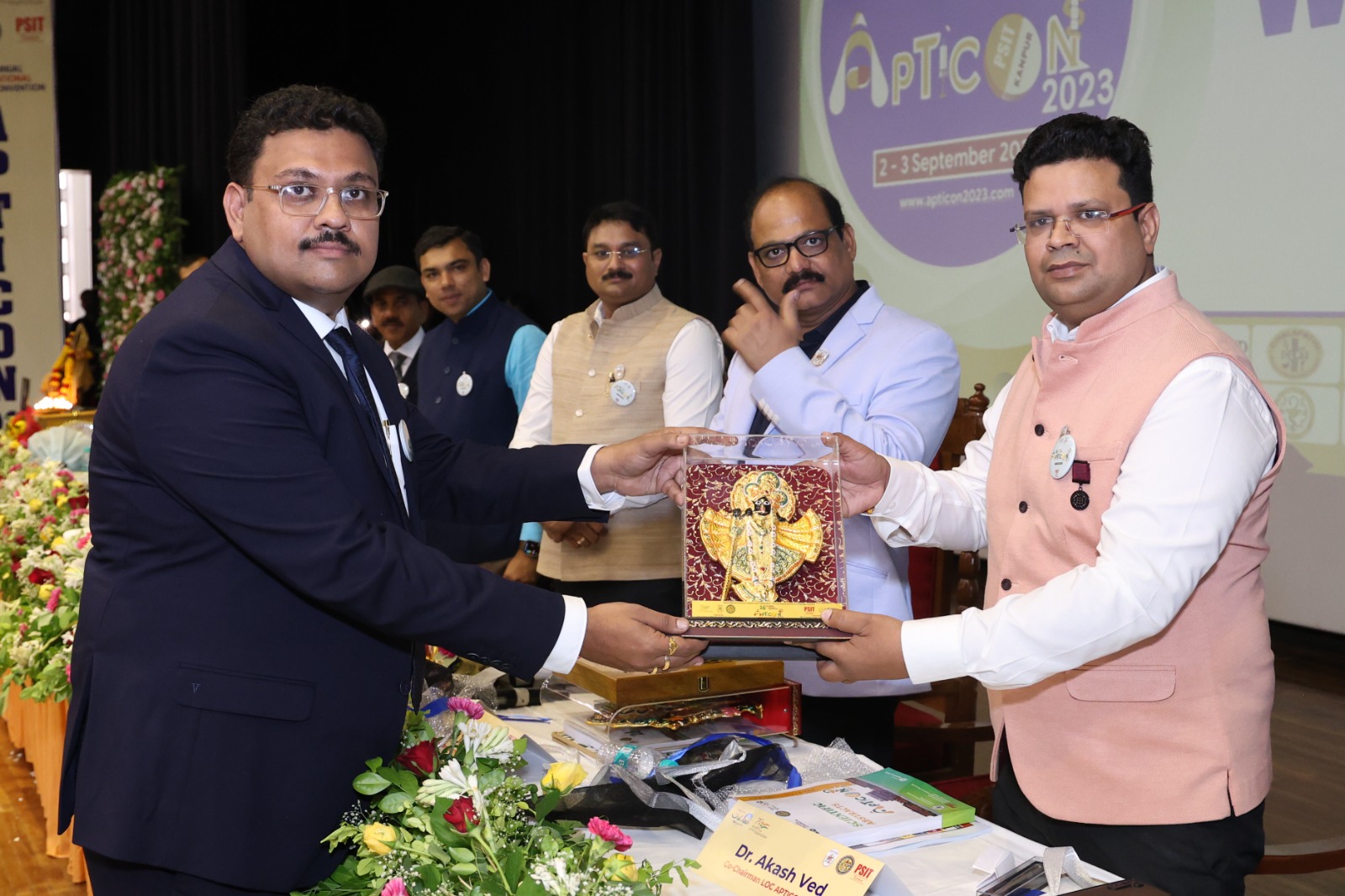
Well-equipped, soundproof and spacious conference halls provide a facility for conducting seminars and interactive sessions with a sumptuous appeal.
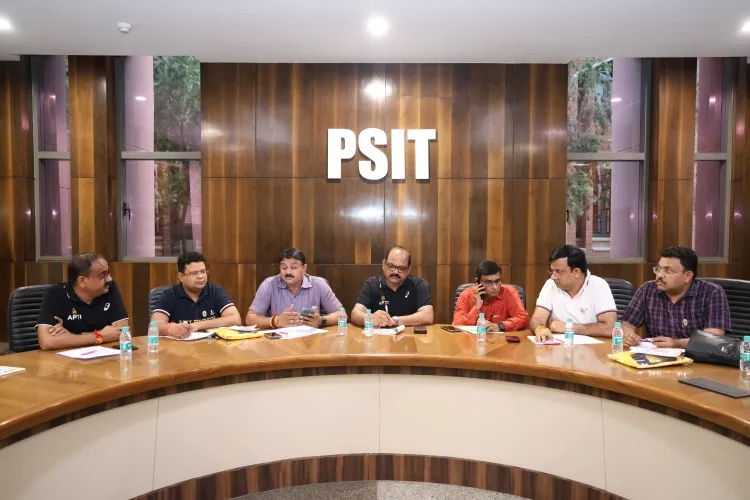
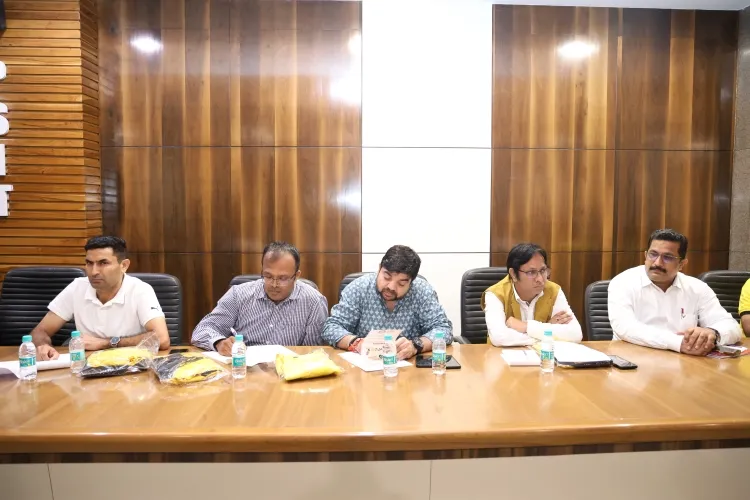
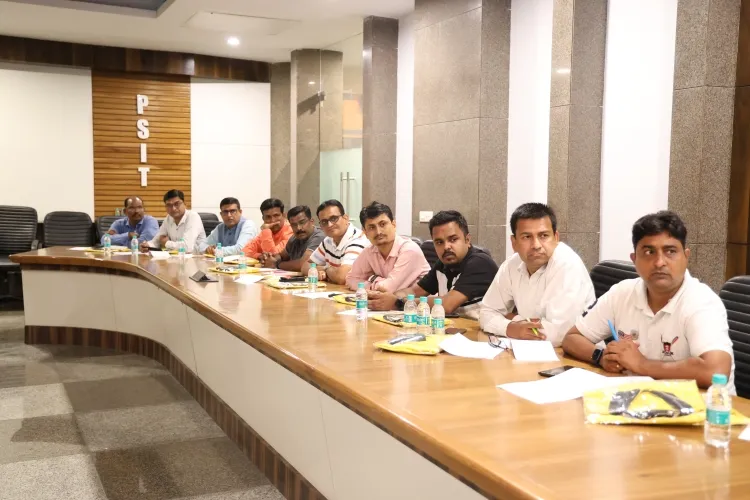
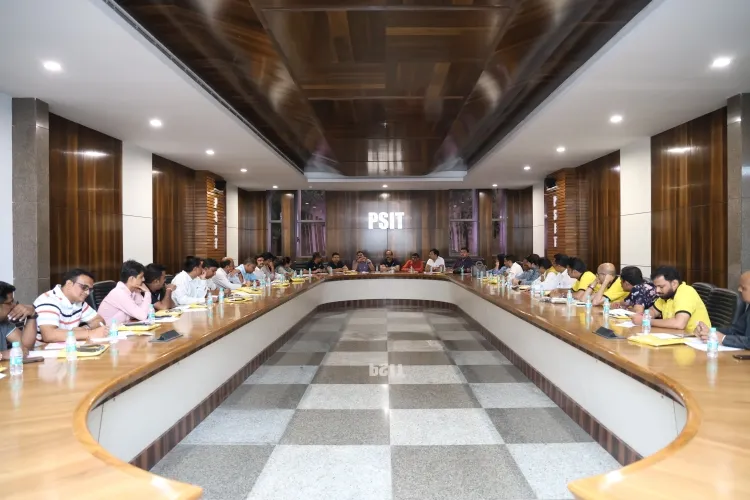
The institution provides well-maintained physical facilities that contribute to a productive teaching, learning, and research environment. Classrooms in the G and E Blocks, along with seminar halls in the H and AA Blocks, are spacious, well-ventilated, and furnished with comfortable seating. Depending on the room, the seating capacity ranges from 64 to 120. Each classroom is equipped with LCD projectors, screens, podiums, and whiteboards to support effective teaching. All rooms are air-conditioned, have internet access, and are fitted with fire extinguishers. The campus as a whole follows all required safety measures.
The Institution has well-established laboratories which facilitate practical, hands-on learning among the students relating to their academic curriculum. Complementing the facilities, a medicinal garden is maintained on campus for practical learning and studies associated with medicinal plants. A central library with a rich collection of textbooks, reference books, journals, and e-resources caters to the academic and research needs of students and faculty. In addition, a departmental library serves to facilitate easy access to learning materials for course-specific purposes and a dedicated reading space for students.A major highlight of the campus is its state-of-the-art auditorium, which can accommodate more than 1,400 people. It is designed so that the speaker on stage can clearly see the audience even in the last row, making it one of the most distinctive and valuable assets of the Institution.
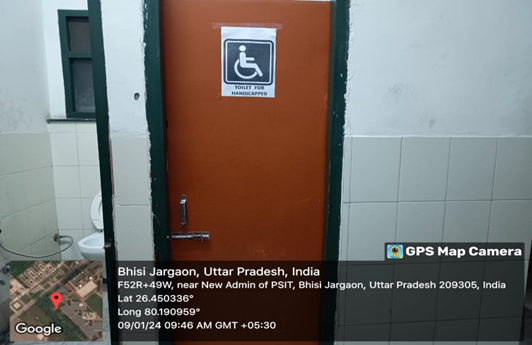
The health and safety of every individual on campus are cared for through a well-established medical room/infirmary with first-aid facilities, a visiting doctor, and ambulance support in order to address any medical needs or emergencies. The infirmary has two wings: one comprising six beds for males and another comprising three beds for females. Two MBBS doctors, two compounders, and two female nurses are on duty round the clock to provide timely medical aid whenever needed. Two ambulances facilitate quick emergency evacuation.The SBI Extension Counter is available within the Institution and is one of the most valued facilities both by the employees and by hostel residents as well as day scholars. The counter allows for cash deposits and withdrawals, along with essential banking services, which cater to the needs of the staff and those residing on campus. Two on-campus ATMs, namely State Bank of India and HDFC Bank, ensure that monetary transactions are readily accessible to students, faculty, and staff at any time.Similarly, care has been taken to provide clean and hygienic washrooms for boys, girls, and Divyang (differently-abled) students and separate male and female faculty toilets on each floor, incorporating high standards of sanitation and accessibility.
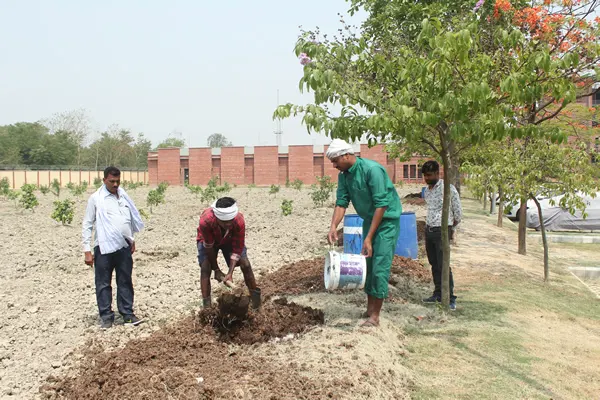
The entire campus is maintained in a clean, green, and eco-friendly manner with an overall conducive atmosphere for students.
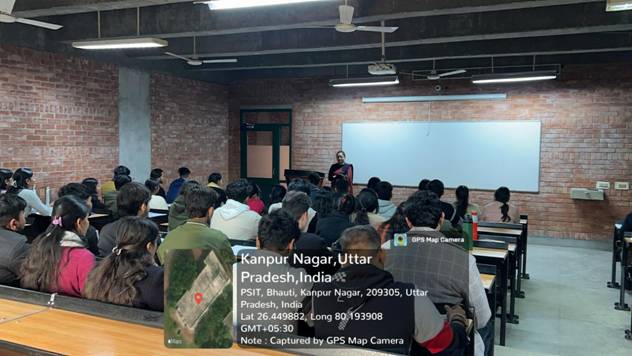
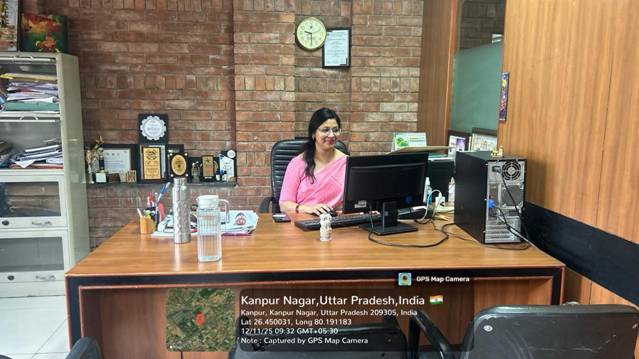
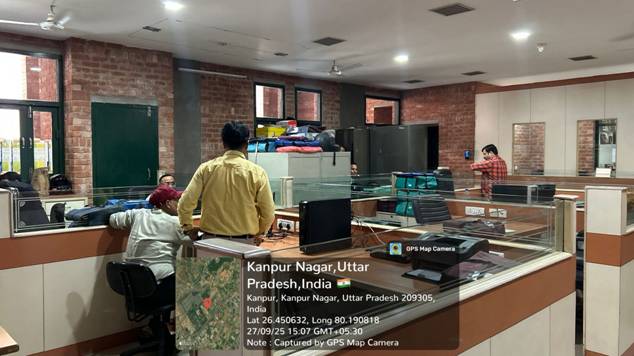
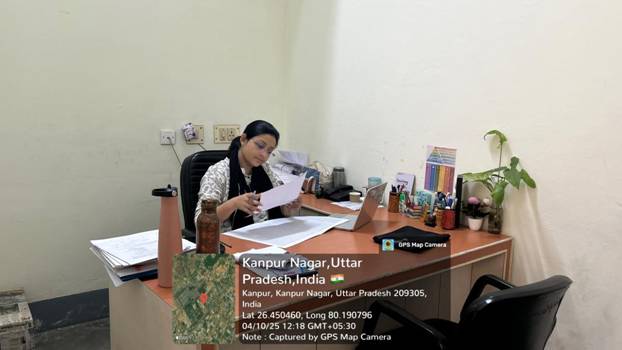
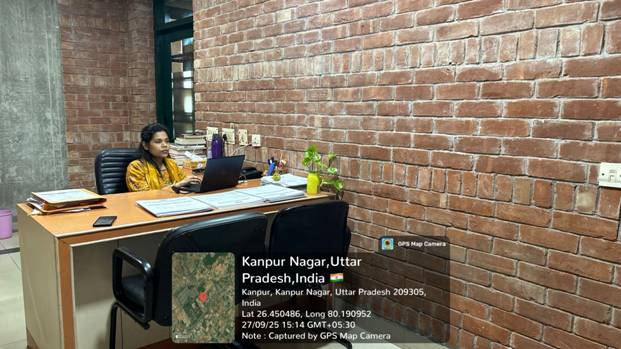
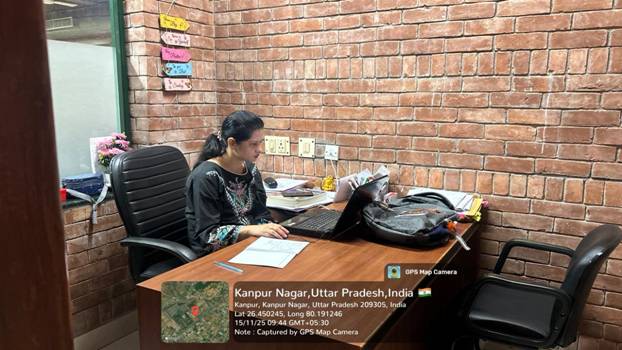
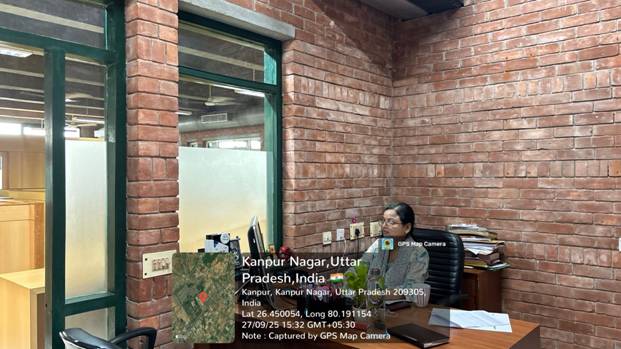
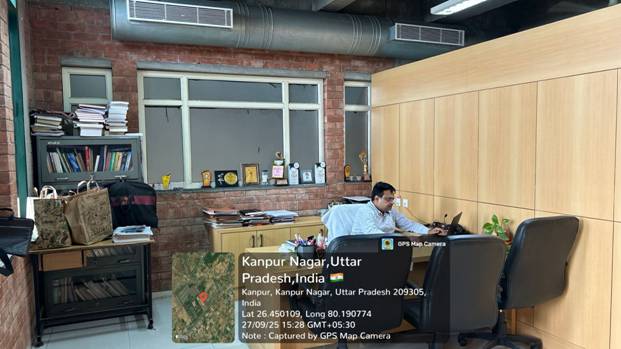
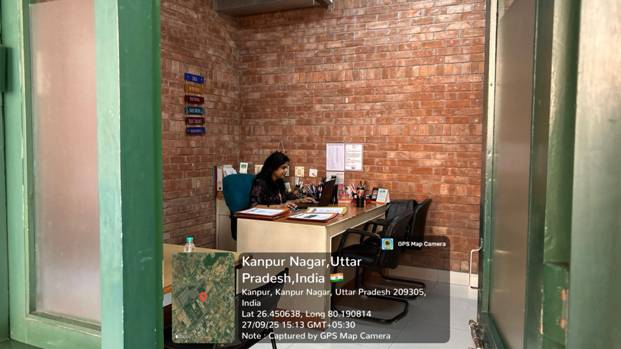
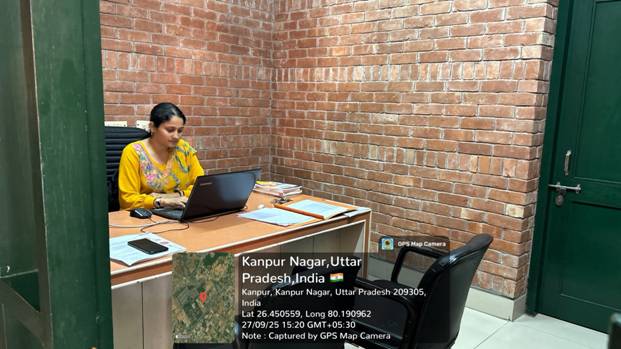
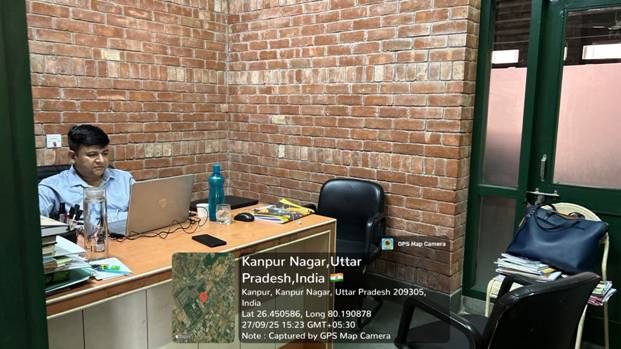
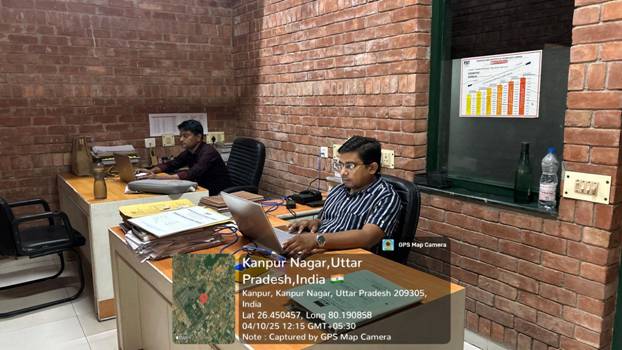
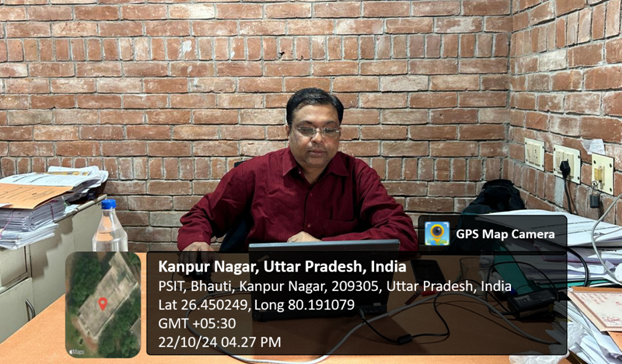
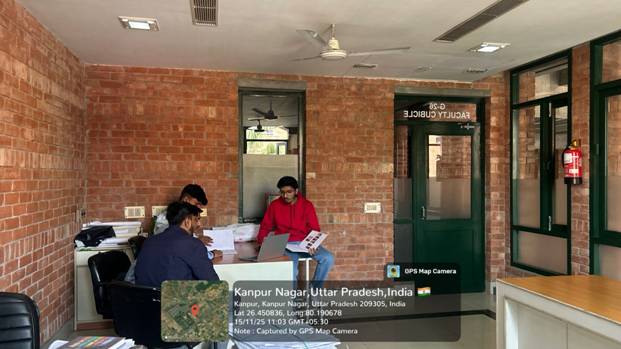
The Institution has made proper arrangements for faculty seating to ensure a comfortable and productive working environment. The cabins are well-ventilated, furnished with tables, chairs, storage space, and computer systems with Internet access. This enables teachers to prepare lecture plans, evaluate assignments, conduct student mentoring sessions, and carry out academic and research work without disturbance.Every faculty member is provided with an individual cabin or a dedicated cubicle, depending on seniority and job responsibilities
The layout of the faculty rooms is designed in such a way that students can interact with faculties freely during mentoring hours, doubt-clearing sessions, and project discussions while still maintaining privacy and professional decorum. CCTV surveillance, power backup, and regular cleaning ensure a safe and hygienic environment.
Faculty rooms are used not only for routine academic work but also for research paper writing, online meetings, and curriculum planning. The seating ratio is adequate and meets the institutional requirement, with every faculty member having an exclusive workspace. The Institution also provides technical support for maintenance of computers, printers, and networking systems to ensure uninterrupted academic work.
Overall, the faculty rooms are comfortable, well-equipped, and supportive of teaching, mentoring, and research activities. These facilities help faculty members perform their roles effectively and contribute positively to the teaching-learning process.
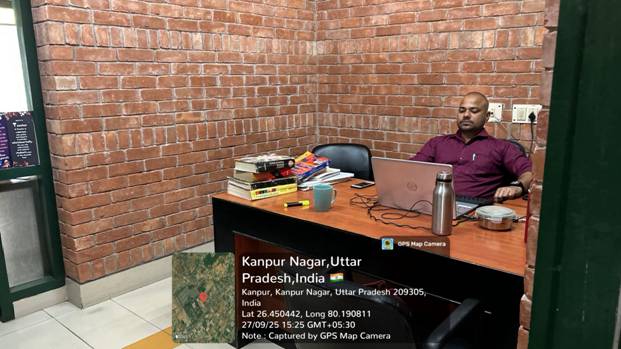
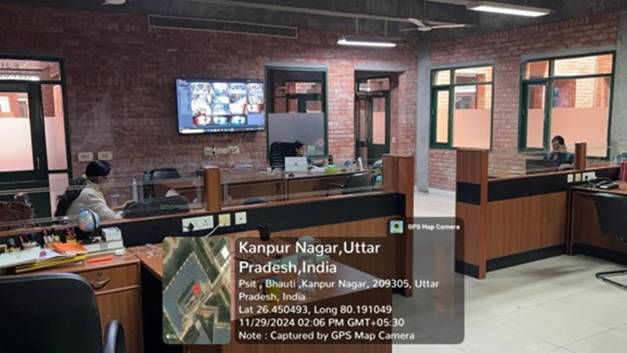
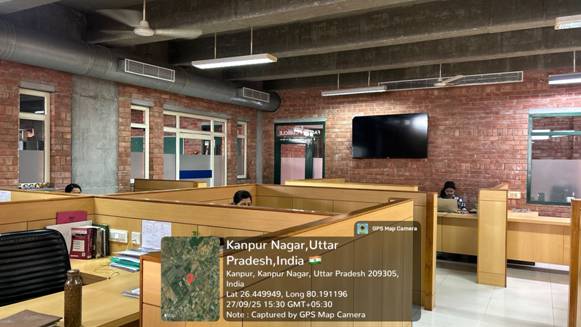
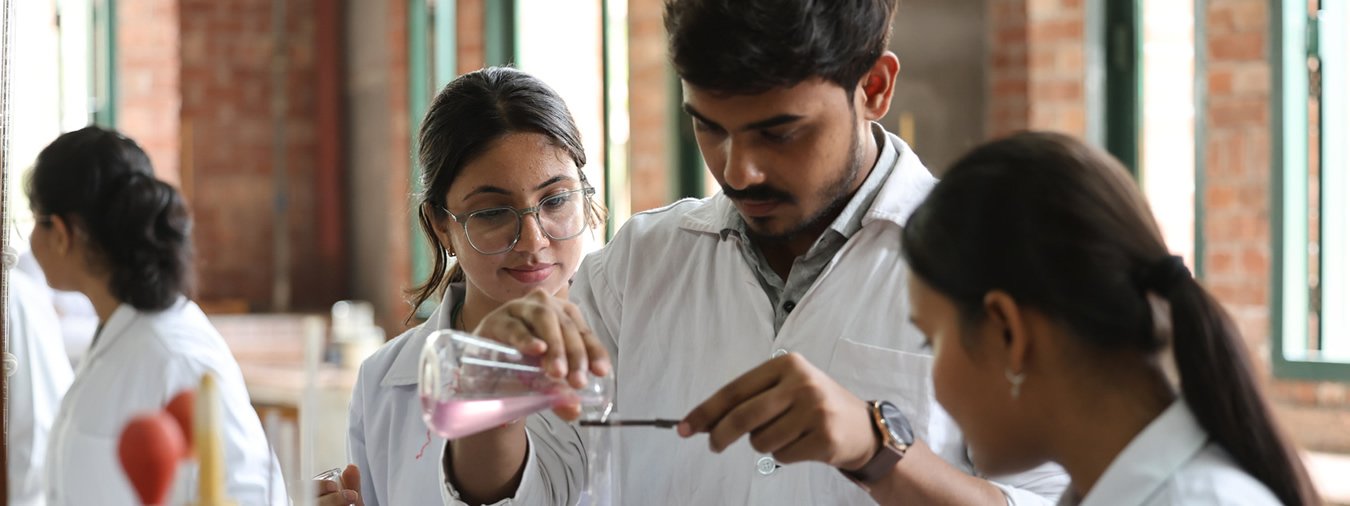
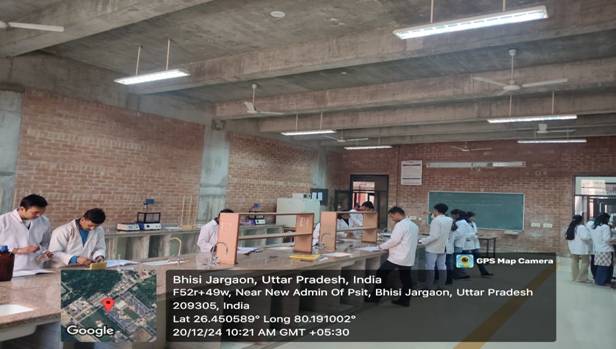
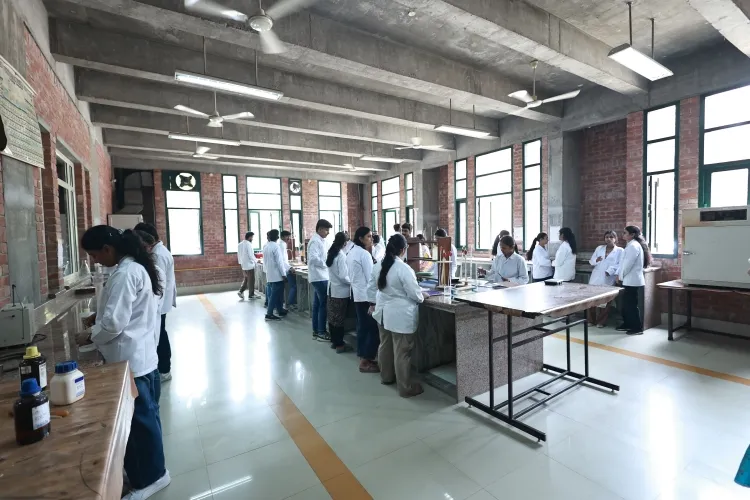
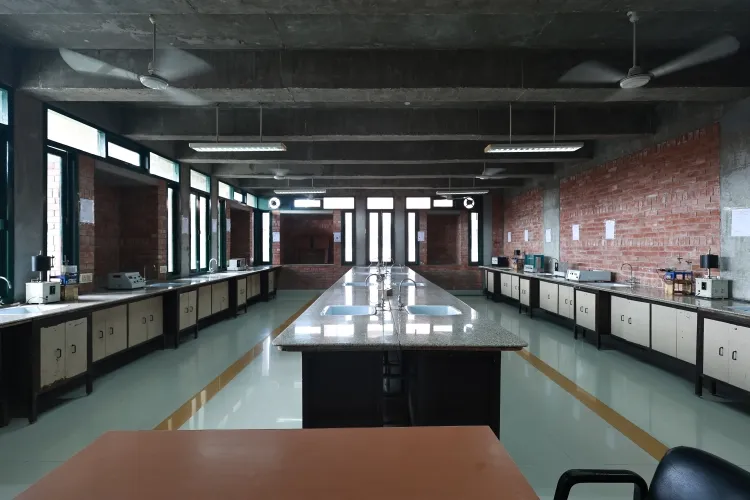
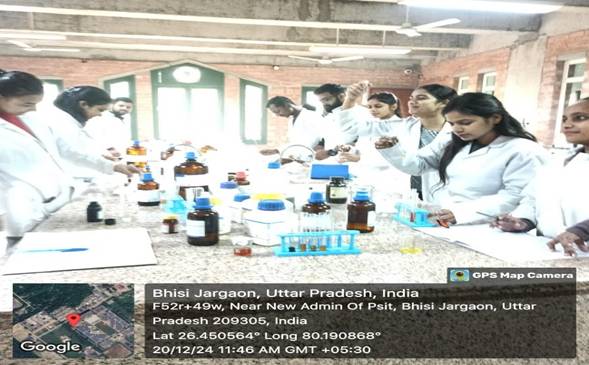
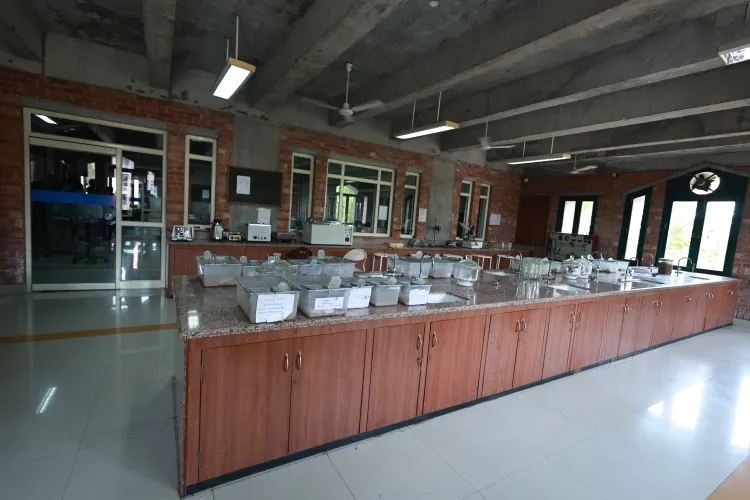
The institute has well-equipped laboratories that support practical learning, scientific experiments, and project work for pharmacy students. Each laboratory has a faculty in-charge and a laboratory assistant to ensure smooth and safe functioning. Every lab displays Vision and Mission, Clear Do’s & Don’ts safety instructions, CO-PO mapping boards, Display boards, and list of practicals to guide students during their work.
SOPs and logbooks are maintained for every instrument in Machine Room and Instrument Lab, and calibration and maintenance details are regularly updated. Fire extinguishers, first-aid kits, water and gas supply, exhaust system, ceiling fans, and proper lighting are provided in all laboratories to ensure a comfortable and safe environment.
Chemicals, reagents, and glassware are arranged properly and labelled on shelves and in storage cupboards. Separate waste containers are placed for solid and liquid waste. All biomedical and laboratory waste is handed over to Re Sustainability Ltd – Uttar Pradesh Waste Management Project (UPWMP), Kanpur (CBMWTF) for scientific and safe disposal as per state norms.
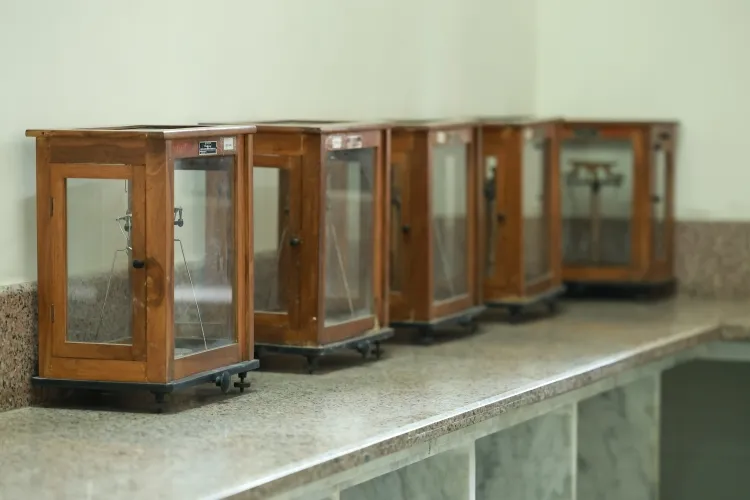
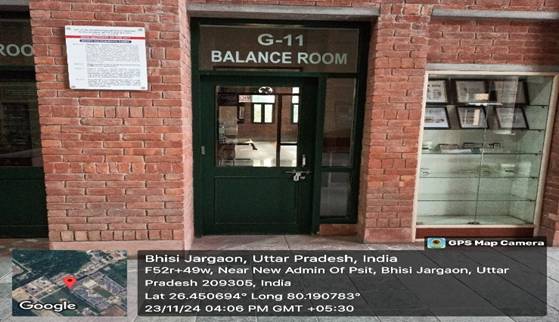
Preparation rooms are attached to Pharmaceutics and Pharmaceutical Chemistry laboratories for organized storage and weighing of materials. These rooms include work tables, cupboards, and balance areas to support the setup of experiments before class. Dedicated balance rooms help in accurate weighing and reduce interruption during practicals. Technical staff remain present during practical hours to assist students and faculty.
Overall, the laboratories and support facilities are adequate in number, spacious, and effectively utilized for regular curriculum, project work, and research activities. These facilities help students gain hands-on skills in a safe and organized learning environment.
Pharmaceutics Lab
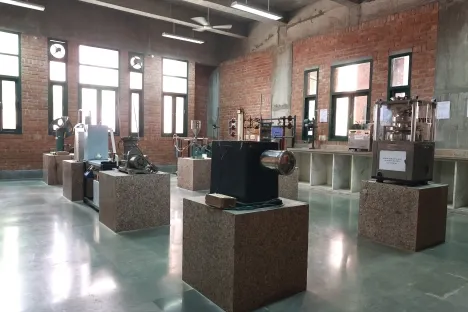
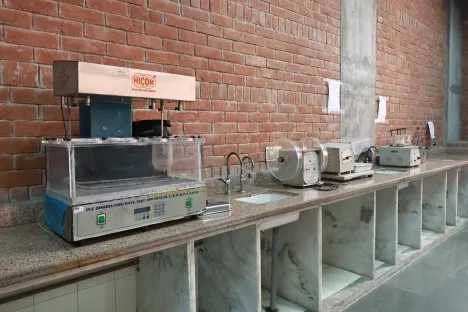
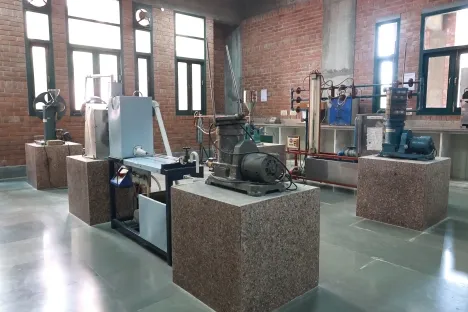
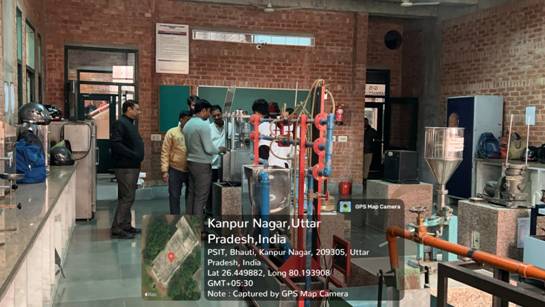
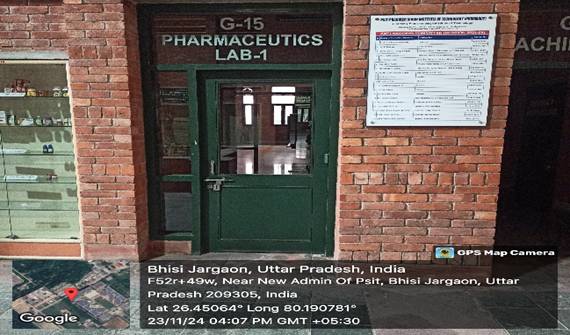
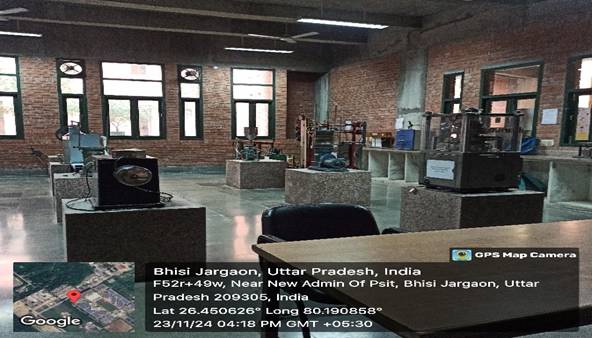
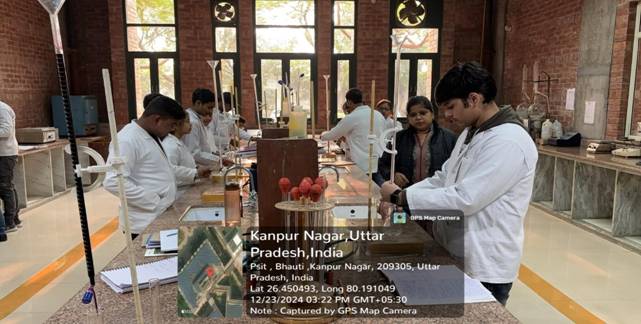
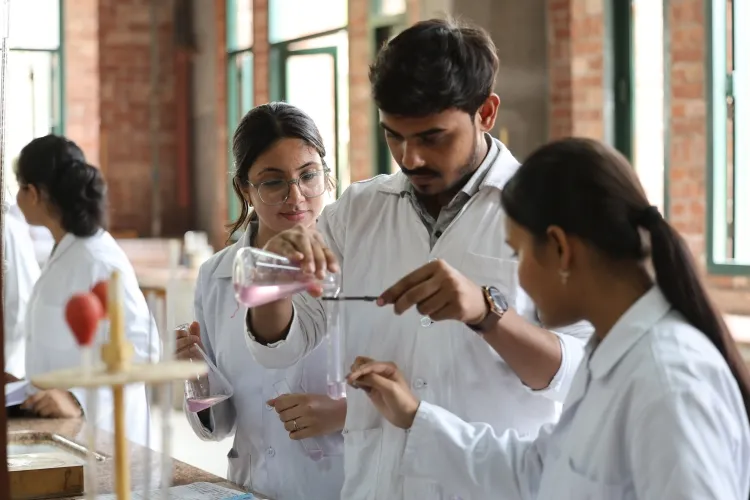
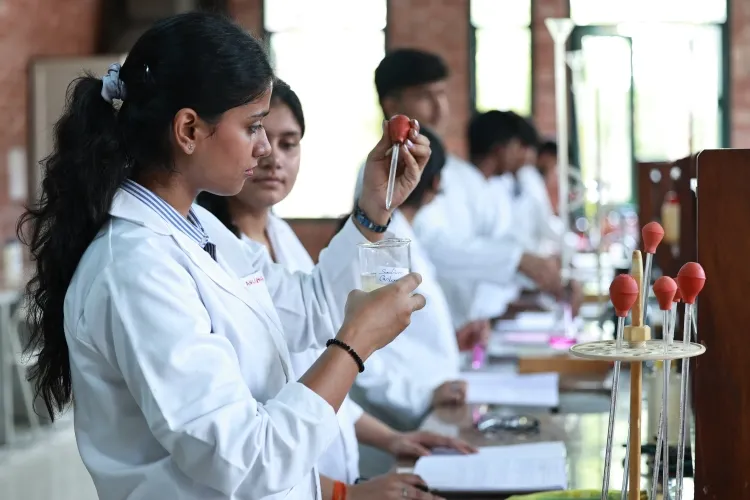
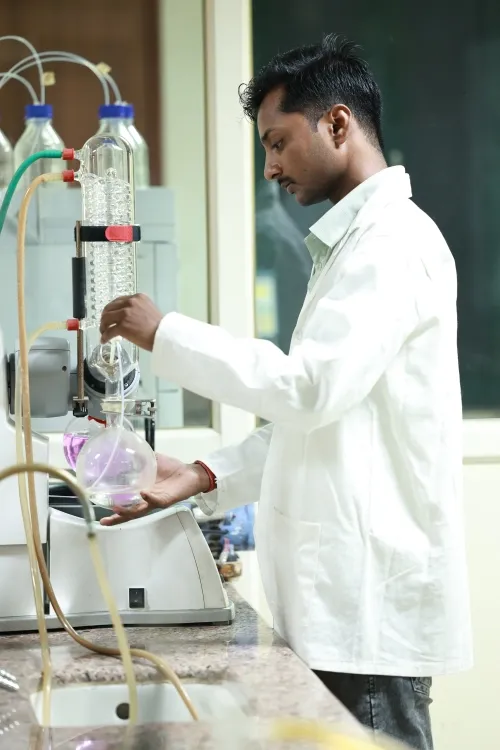
The Pharmaceutics Laboratory is a core facility of the institute, designed to provide students with practical exposure to the formulation, development, and evaluation of various dosage forms. All Lab have working instrument like pH meter, Dissolution apparatus, Hardness Tester, Hot air oven, Electric Water bath, Distillation assembly, Digital Weighing Machine, Disintegration Test Apparatus, Tablet Coating Pan, Tablet Punching Machine, Friability Testing Apparatus etc. All the instruments have individual Standard Operating Procedure (SOPs). In Pharmaceutics laboratory waste are discarded in waste container. Preparation room and Balance room available in each lab with required documents.
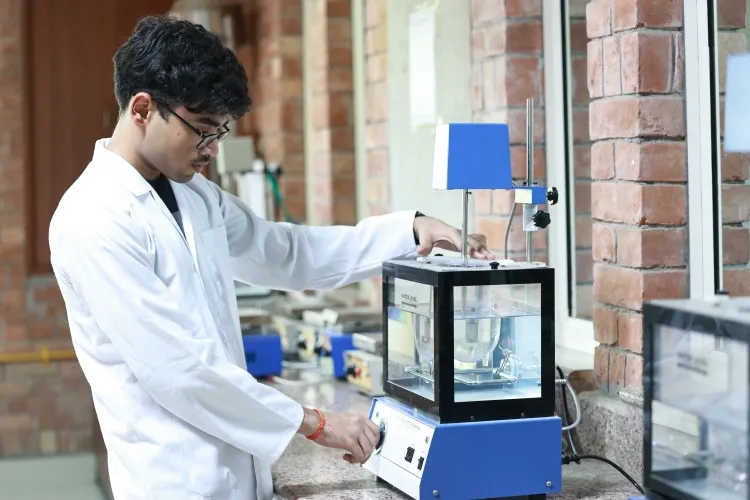
Pharmaceutical Chemistry and Analysis Lab
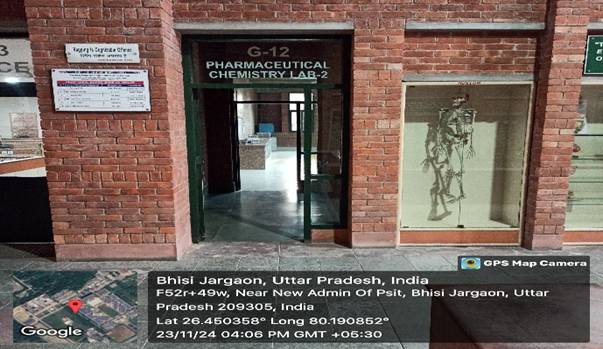
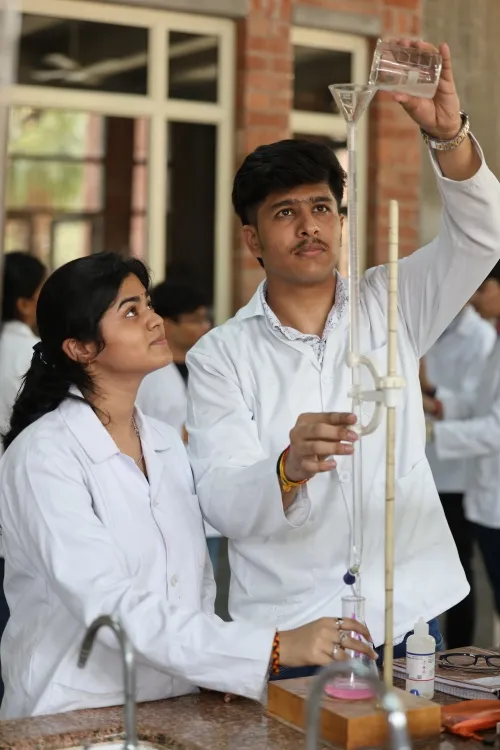
To ensure safety and accuracy, the laboratory is equipped with fume hoods, well-labeled chemical storage systems, calibrated balances, pH meters, heating mantles, hot plates, and other essential instruments. Standard Operating Procedures (SOPs) for all instruments and processes are prominently displayed to guide proper usage. Fire extinguishers, first-aid kits, and “Do’s and Don’ts” safety boards are installed to maintain a safe and well-regulated working environment.
Pharmacology Lab
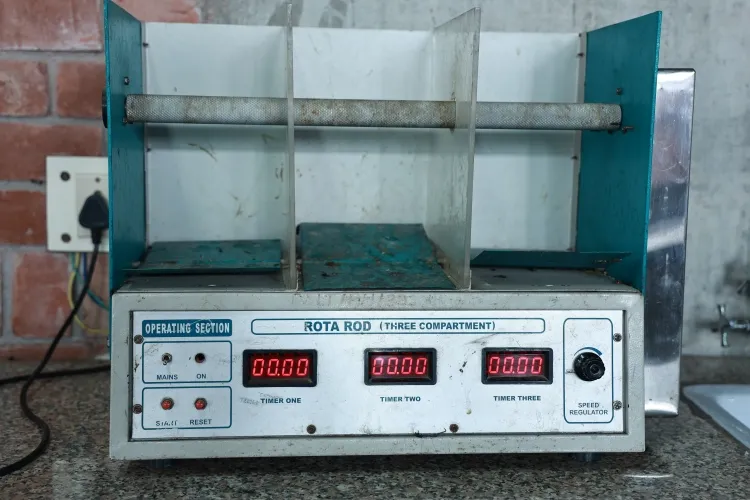
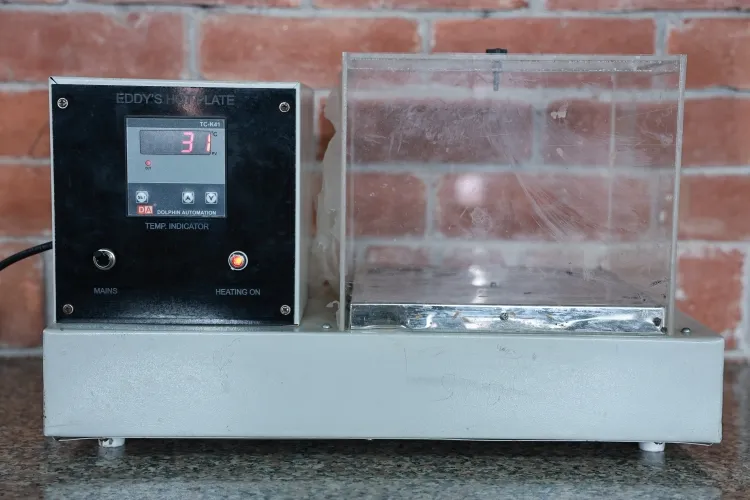
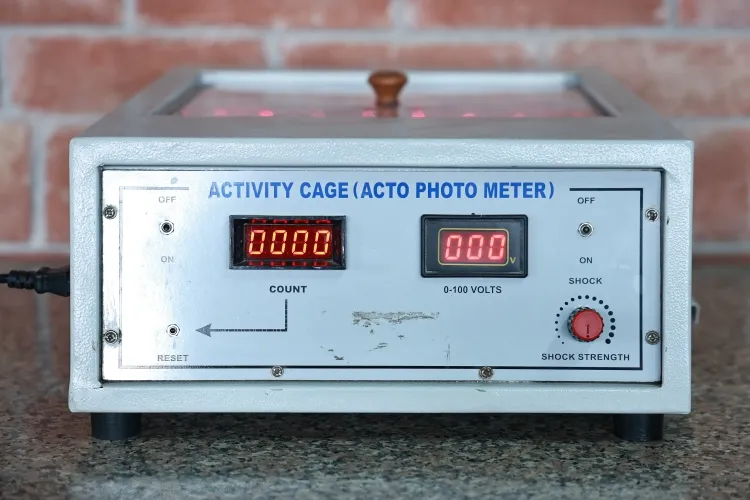
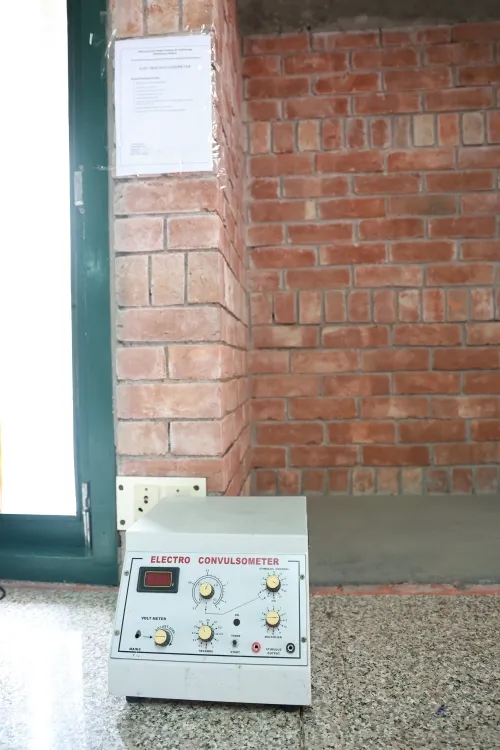
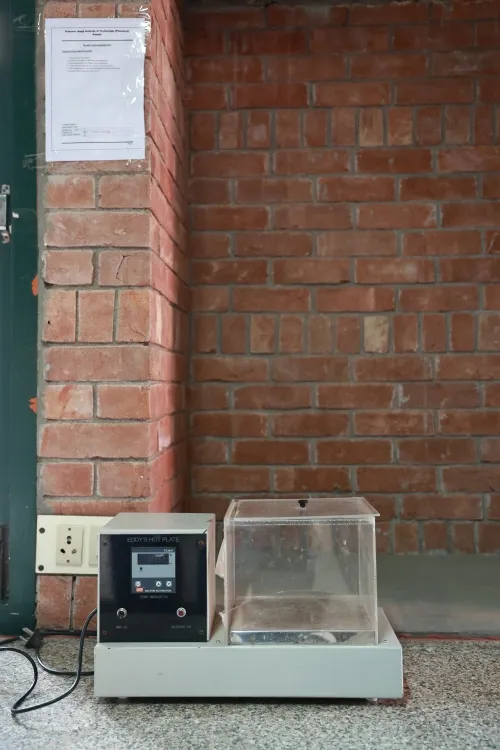
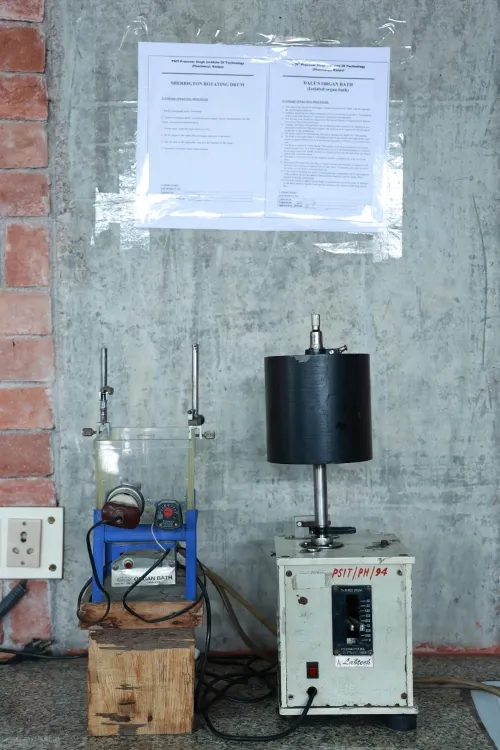
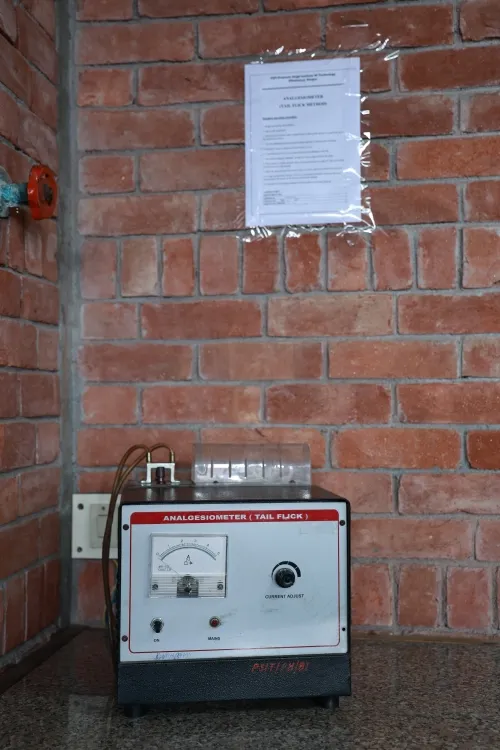
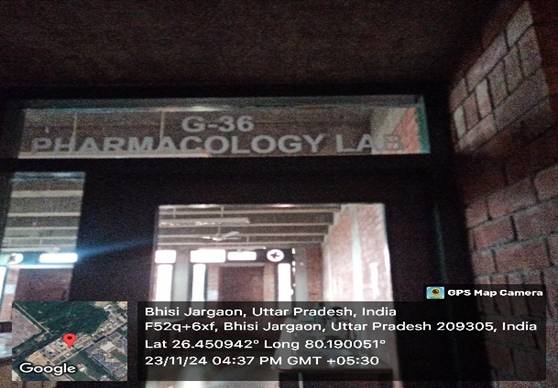
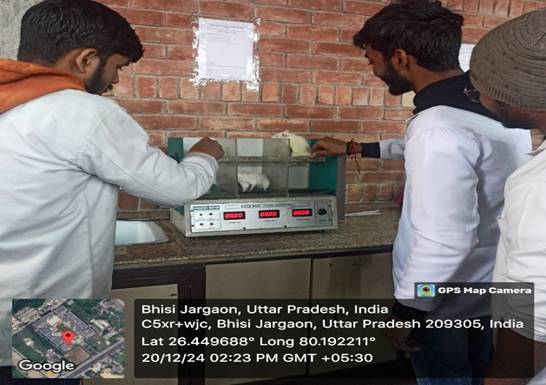
Pharmacology lab have all the required glassware, chemicals, instruments and apparatus. Stock registers for all are maintained. Analgesiometer, rota rod apparatus, Actophotometer, Pole climbing Apparatus etc. are available in Pharmacology laboratory. All the instruments have individual Standard Operating Procedure. All biomedical and laboratory waste is handed over to Re Sustainability Ltd – Uttar Pradesh Waste Management Project (UPWMP), Kanpur (CBMWTF) for scientific and safe disposal as per state norms.
Pharmacognosy Lab
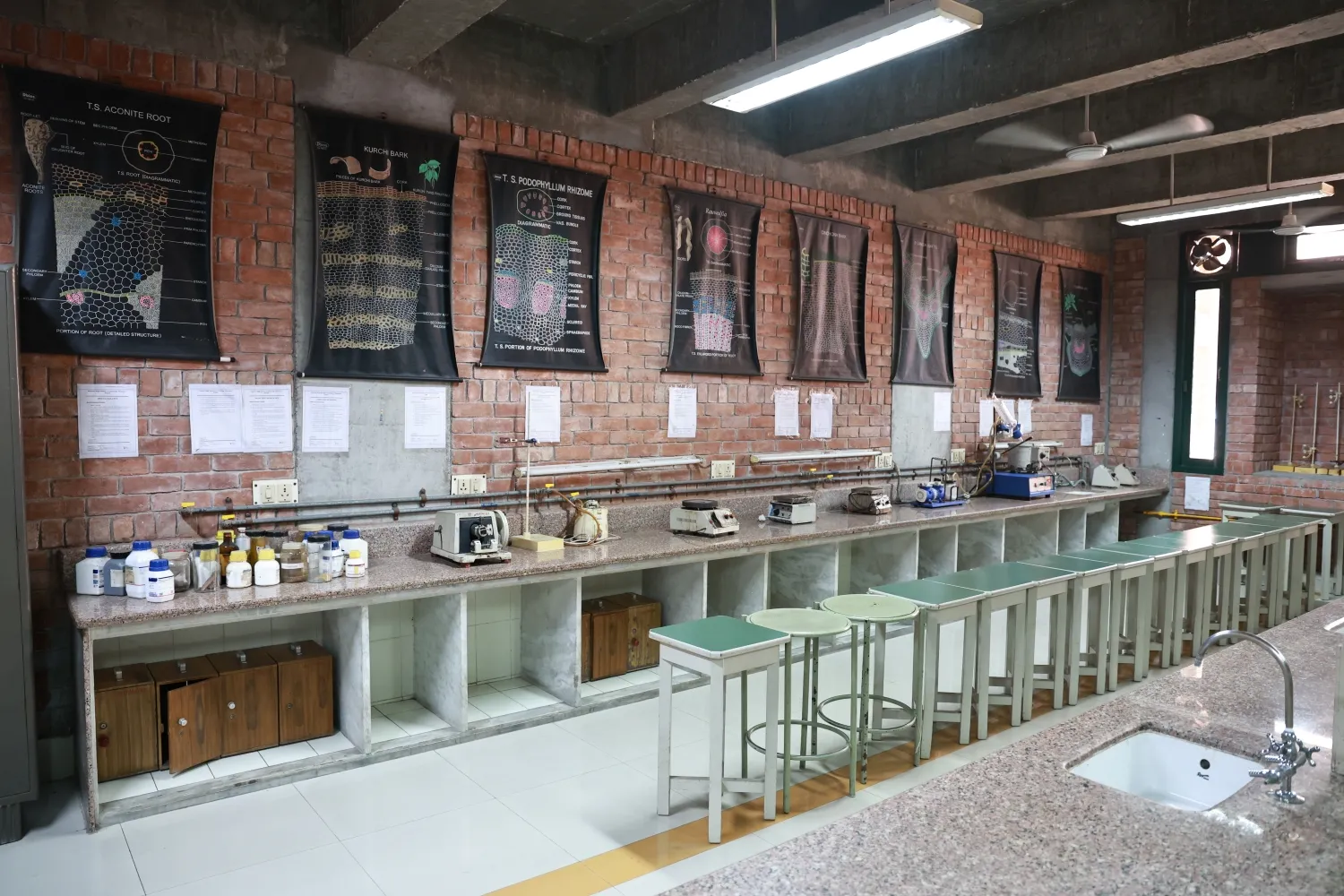
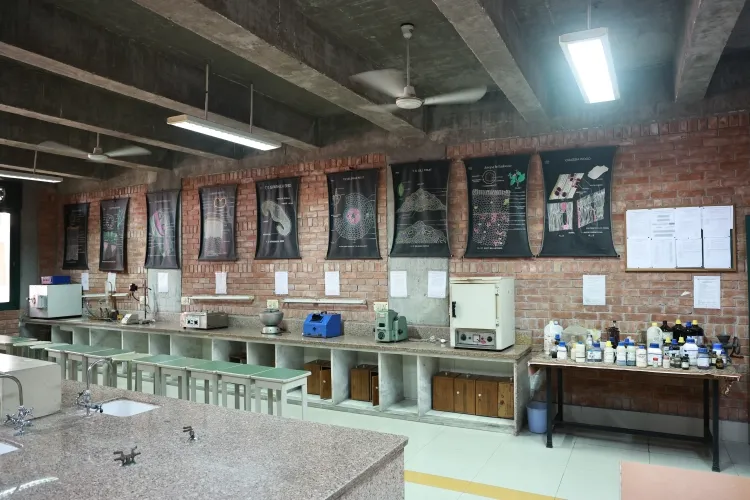
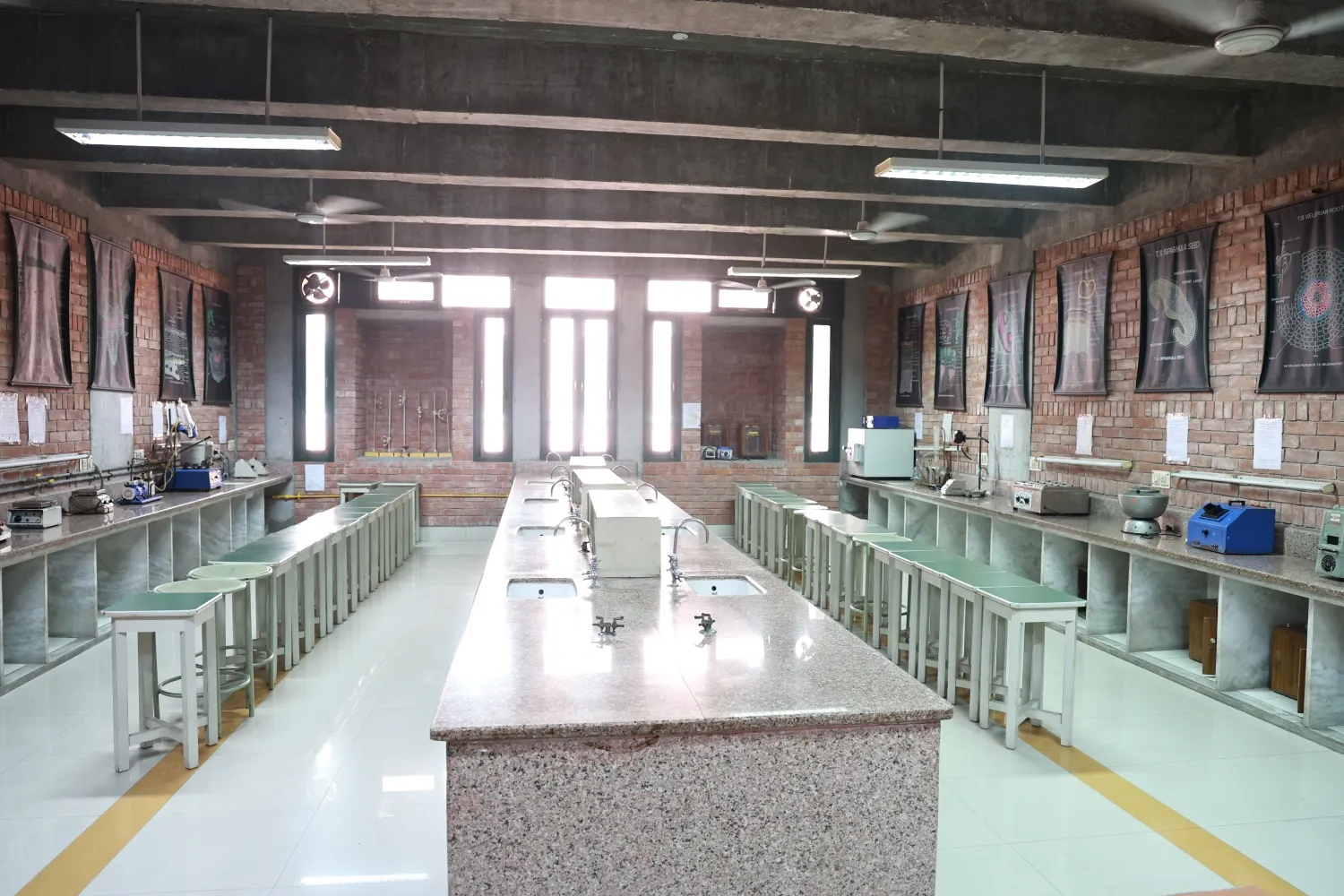
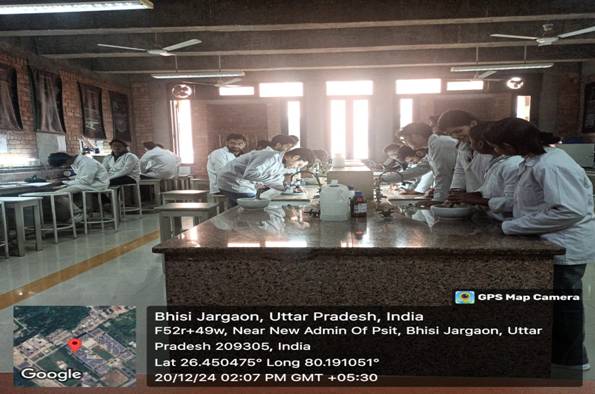
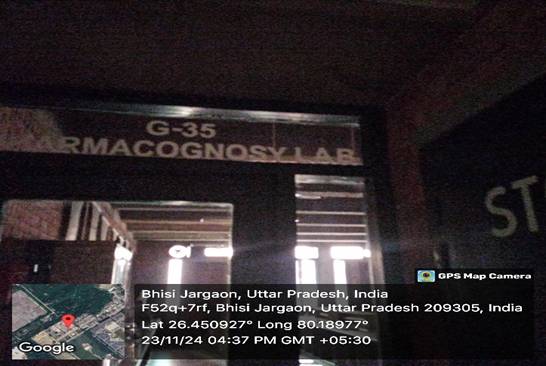
The laboratory is equipped with essential instruments such as microscopes, macerators, Soxhlet extractors, hot plates, heating mantles, weighing balances, muffle furnaces, UV lamps, TLC chambers, and drying ovens. These instruments support various pharmacognostical experiments including morphological and microscopic evaluation, phytochemical screening, extraction and isolation of active constituents, powder analysis, and chromatographic studies. Lighting system is available in each practical slab.
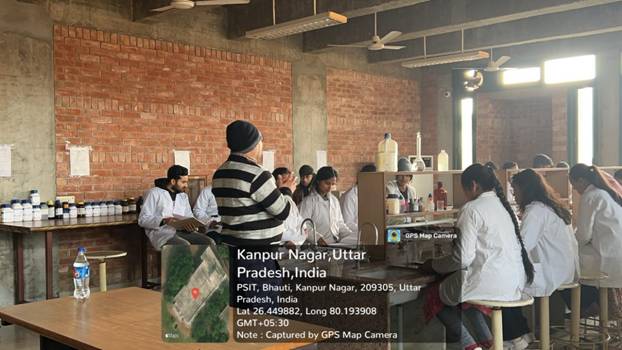
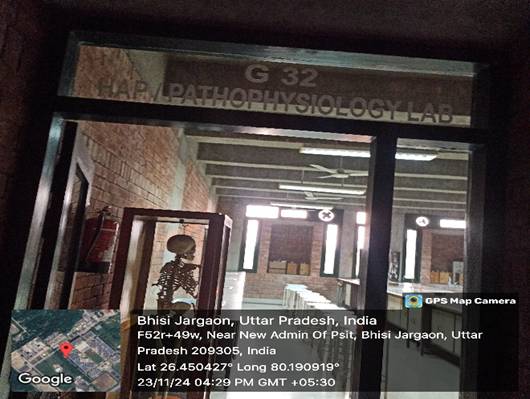
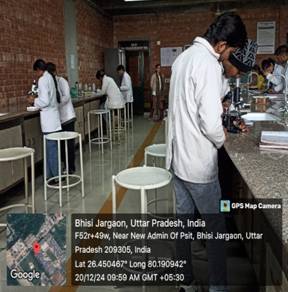
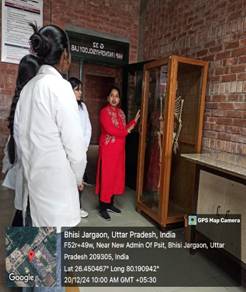
Pathophysiology and Human Anatomy and Physiology Lab
The Laboratory is well equipped with essential instruments to support practical training and clinical skill development. The laboratory house compound microscopes, sphygmomanometers, stethoscopes, ECG machine, glucometer, spirometer, haemometer, haemocytometer, pulse oximeter, digital and manual weighing machines, and digital BP machines, enabling students to perform routine pathological investigations and physiological assessments. To ensure safety and proper laboratory functioning, the lab is provided with fire extinguishers, first-aid kits, proper waste disposal systems, and clearly displayed “Do’s and Don’ts” guidelines. Standard Operating Procedures (SOPs) for each instrument are available, and all chemicals and reagents are properly labeled, stored, and recorded in stock registers to ensure safe and accurate laboratory practices.
Microbiology and Biochemistry Lab
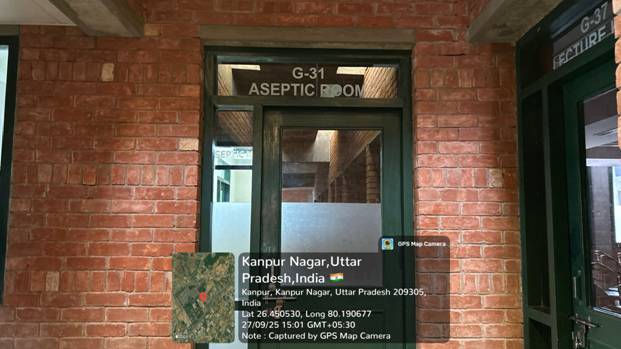
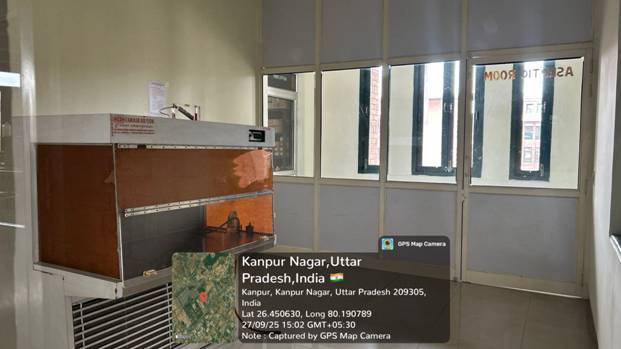
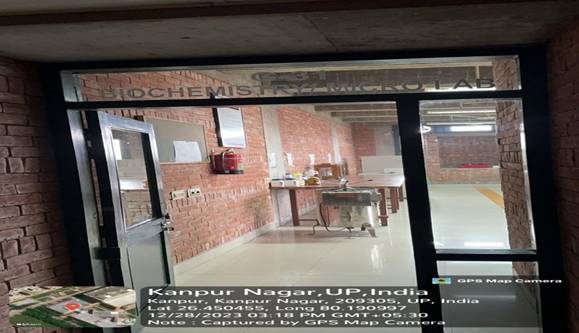
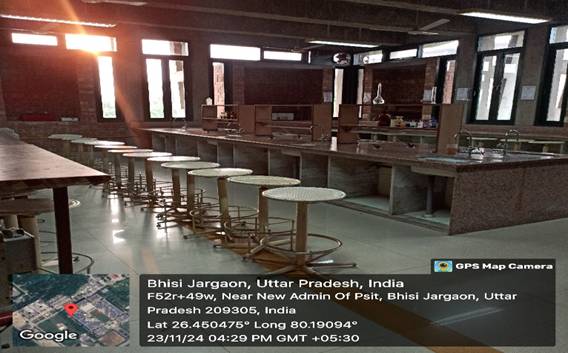
The Laboratories are well equipped with essential instruments such as Autoclave, Laminar Air Flow, Aseptic Cabinet, BOD Incubator, Hot Air Oven, Water Bath, pH Meter, Antibiotic Zone Reader, Digital Colony Counter, Magnetic Stirrer with Hot Plate, and Heating Mantles. Precision laboratory work is supported by Analytical, Digital, and Dispensing Balances, ensuring effective practical training and experimentation for students.
Computer Lab
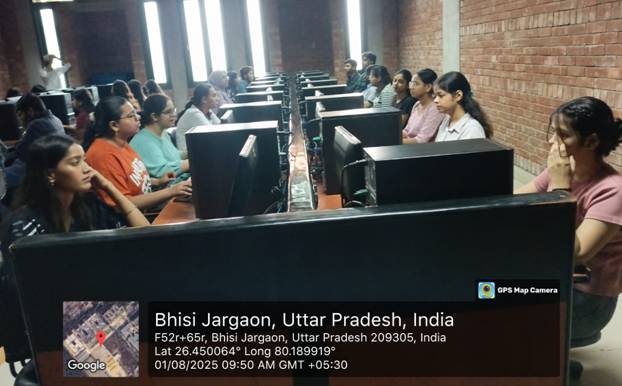
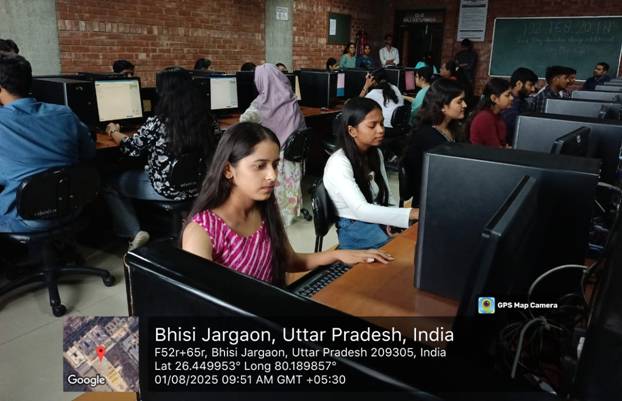
The PSIT Pharmacy Computer Lab is well equipped with a total of 50 computers of varied configurations, including Intel Core i5, i3, i7, Dual Core, and Core 2 Duo systems, supported with 4 GB to 32 GB RAM, SSD and HDD storage, and 17″ to 32″ LED monitors, ensuring adequate computing resources for students and faculty. The lab is supported by licensed Windows 10 Education and Microsoft Office 365 (including MS Word) to facilitate academic documentation, assignments, project reports, and research work in compliance with NBA quality norms. High-speed internet connectivity is ensured through PGCL Fiber (2 Gbps) and Renu Fiber (500 Mbps) with 1 Gbps LAN and Wi-Fi access. The institute is equipped with essential academic and research software such as Adobe Acrobat Reader, Windows Security Antivirus, IBM SPSS, GraphPad Prism, ChemOffice, Ex-Pharm, and instrument-specific software for UV, FTIR, HPLC, and microscopy, supporting effective teaching–learning processes, data analysis, and research activities.
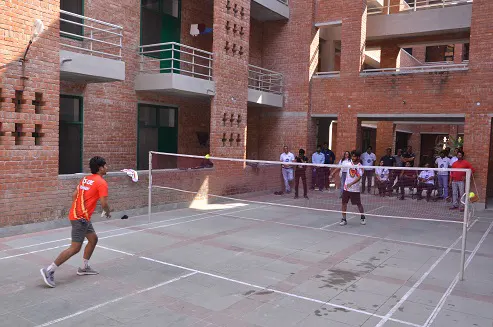
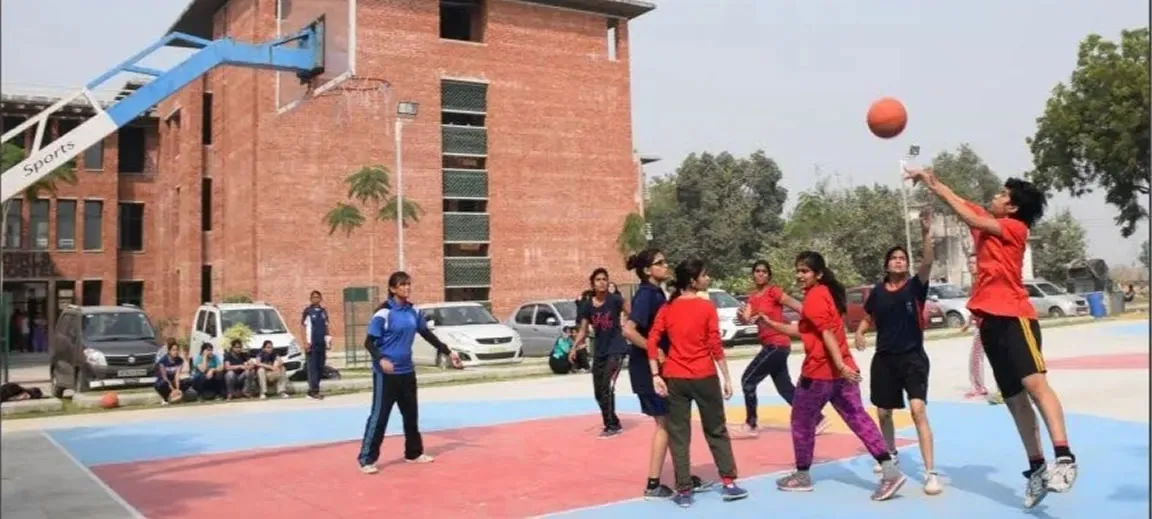
Sporting Success doesn’t happen by accident. It takes hard work and determination on the part of the individual athletes and it also takes investment in facilities and training support. We in PSIT realize the importance of sports and to infuse life into this vision various sports facilities are provided on the campus and students are encouraged to join one or the other activity. The cycles available on campus not only aid in travelling but also help the students achieve and maintain their fitness levels. Besides this, a morning walk routine is also in place for the hostlers as it helps them relax.


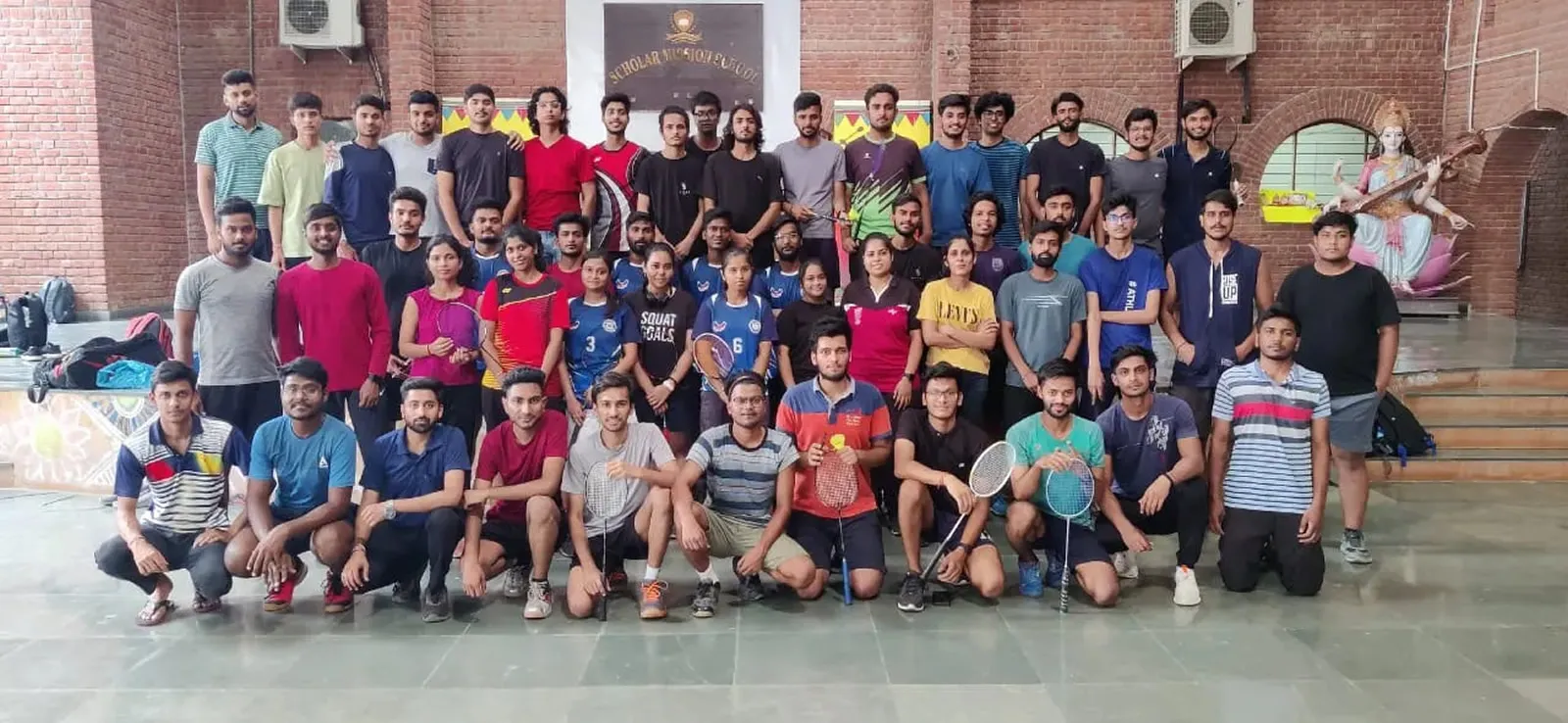
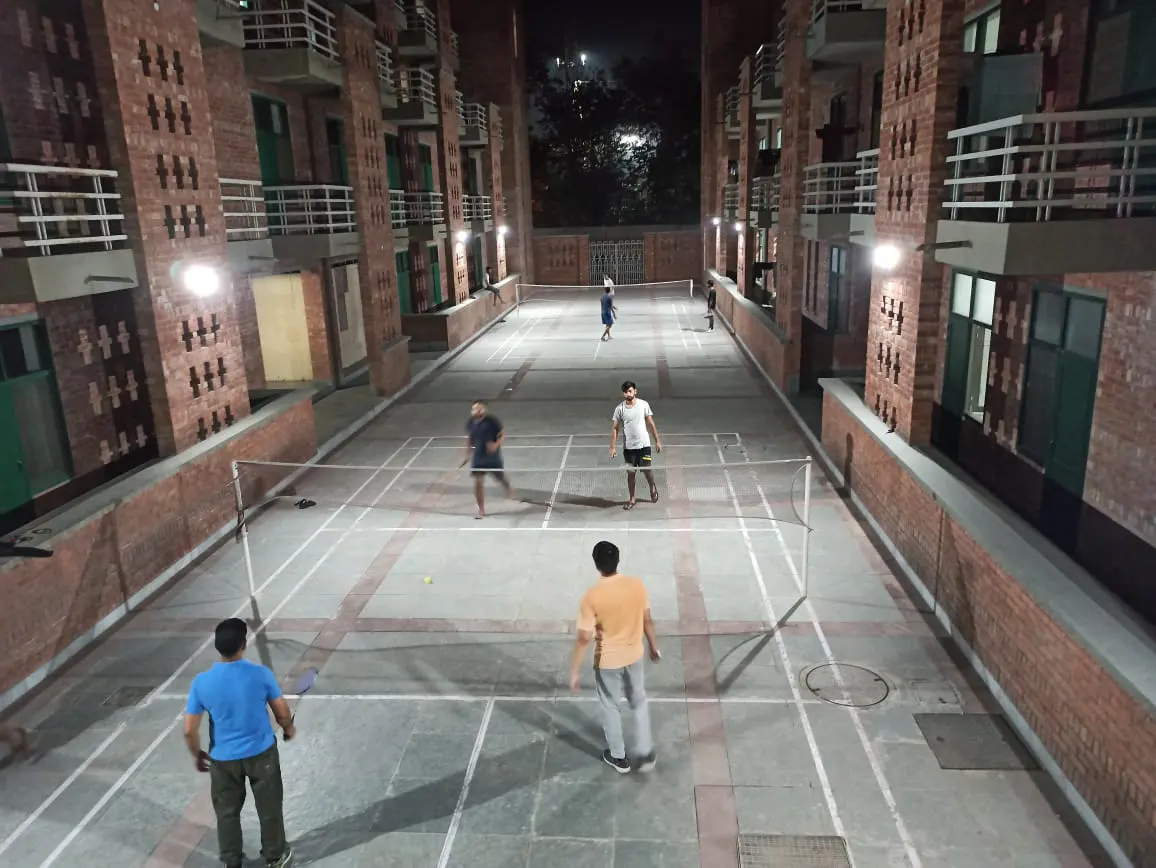
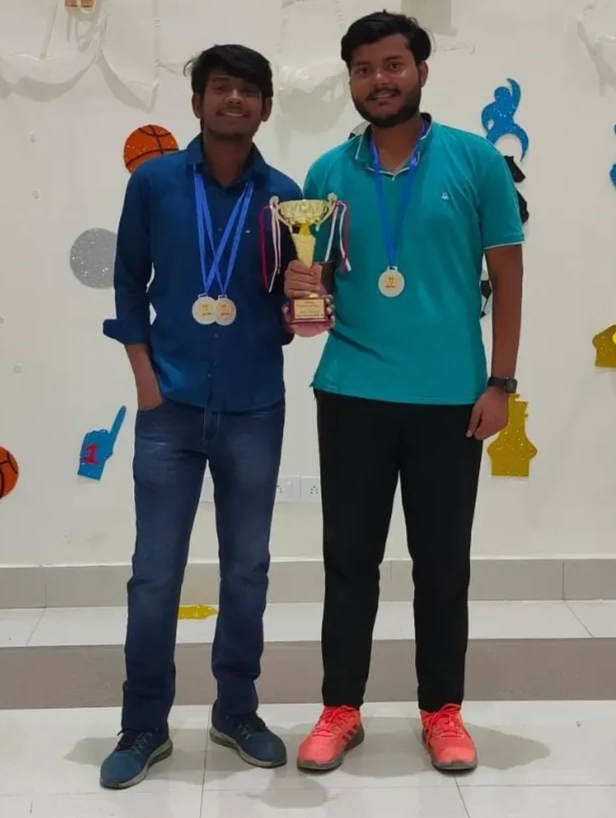

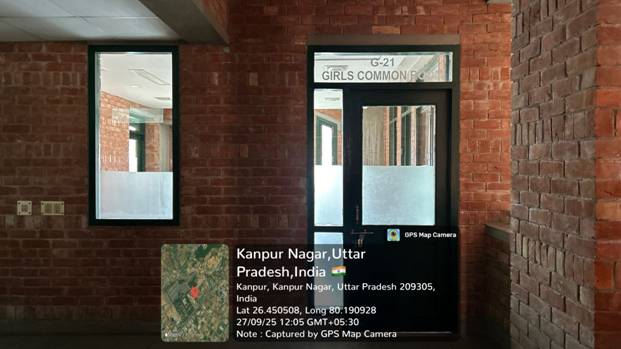
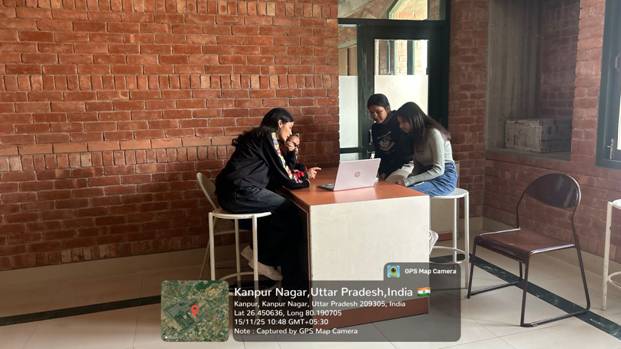
Separate Boys’ and Girls’ Common Rooms are available to support student comfort and well-being. The facilities provide a clean, safe, and pleasant environment with adequate seating, rest areas and drinking water enabling students to relax between academic sessions and promoting a supportive campus atmosphere.
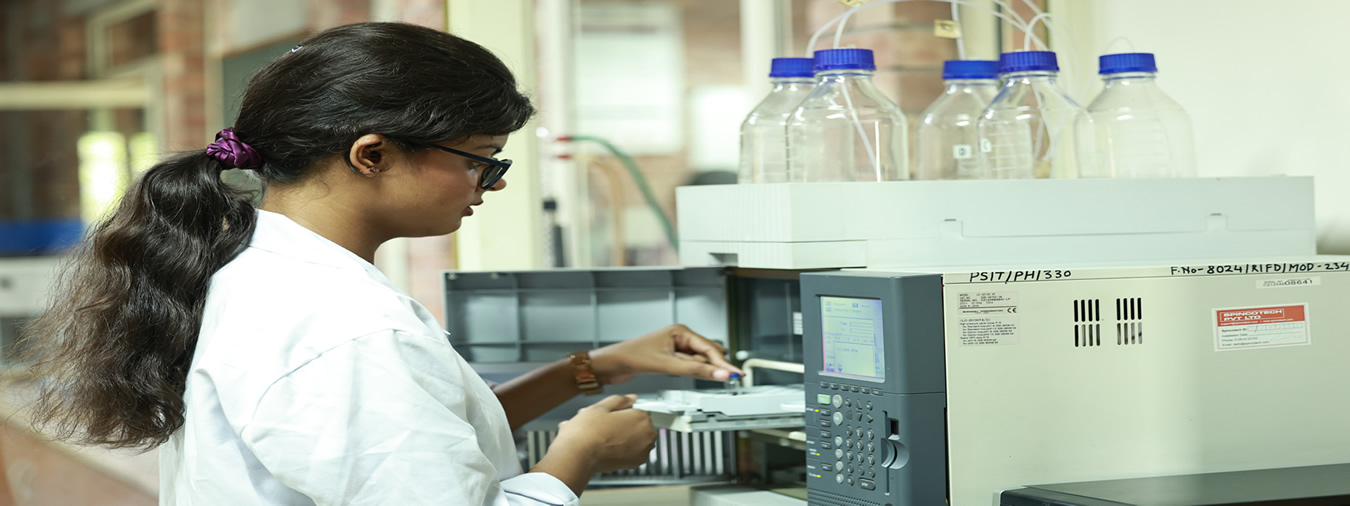
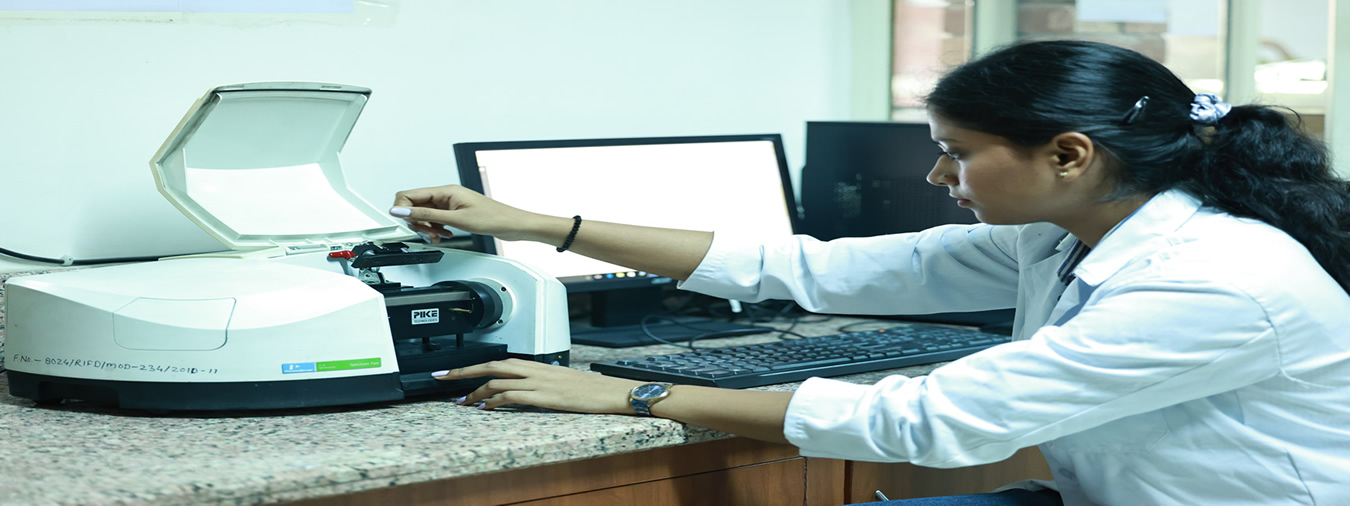
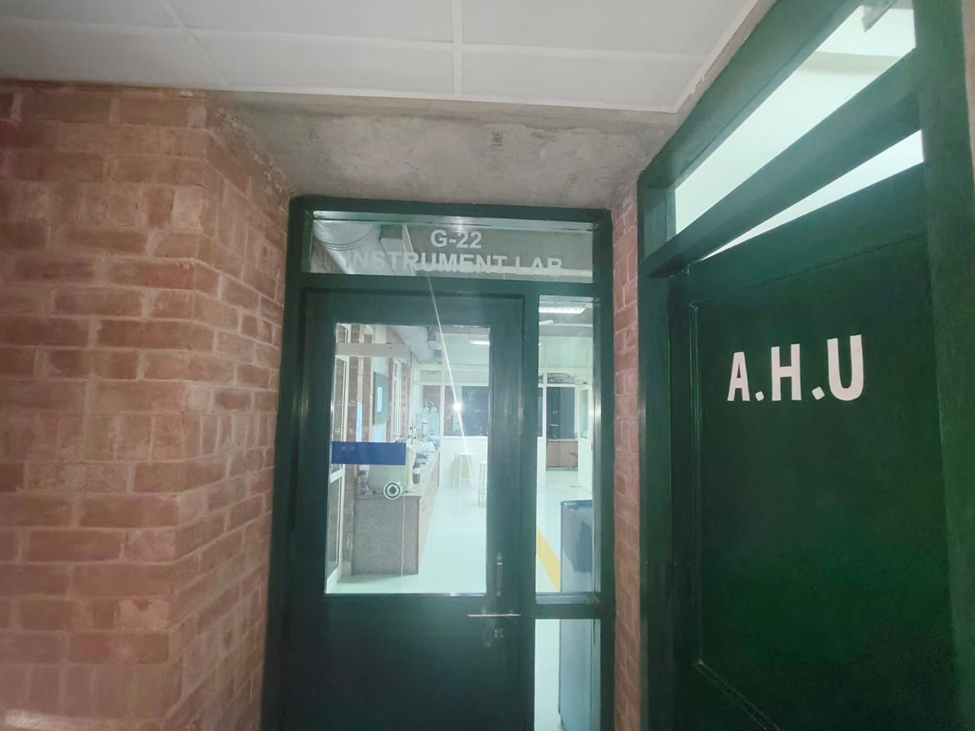
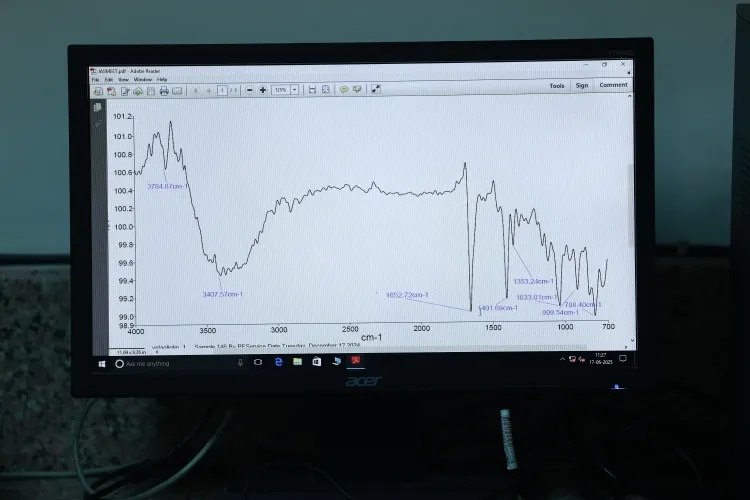
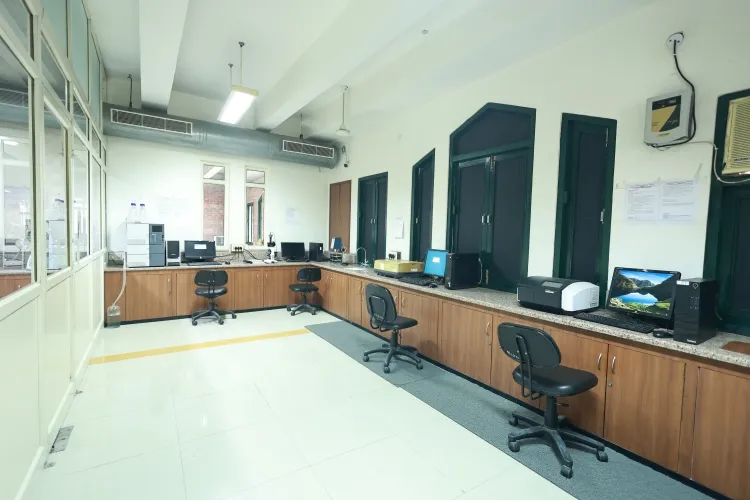
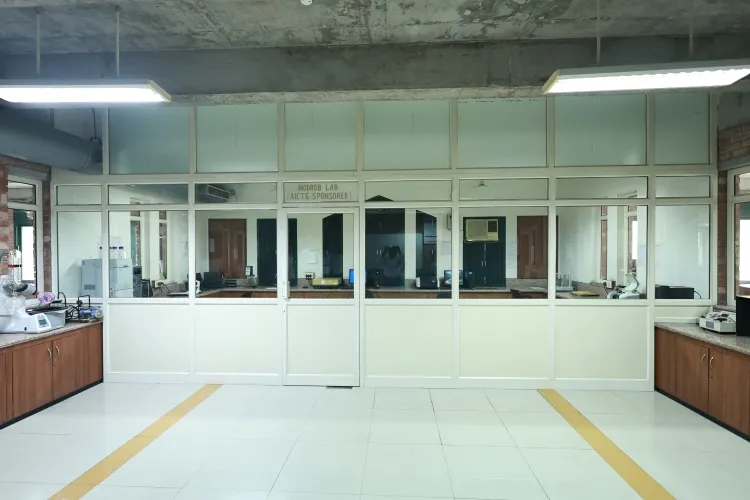
The Instrumentation Laboratory is funded under the MODROB scheme by AICTE, reflecting continuous upgradation and support for advanced learning.
It is a modern, well-equipped facility designed to support pharmacy students in their academic projects and practical training. The lab is specifically set up with advanced analytical and characterization instruments essential for pharmaceutical analysis, formulation development, and quality control. It houses a range of precision instruments, including a Calorimeter, FT-IR Spectrometer, HPLC, Digital Magnetic Stirrer, Microprocessor-Based pH Meter, UV-Visible Spectrophotometer, and other essential instruments. These instruments enable students to perform accurate measurements, analyze formulations, and gain hands-on experience with techniques widely used in pharmaceutical research and industry. The lab is organized for efficiency and safety, with clear instructions, SOPs and logbooks for each instrument, and safety measures in place to ensure a secure and productive learning environment. This well-maintained facility plays a crucial role in developing the practical skills and technical knowledge of students, preparing them for professional work in the pharmaceutical field.
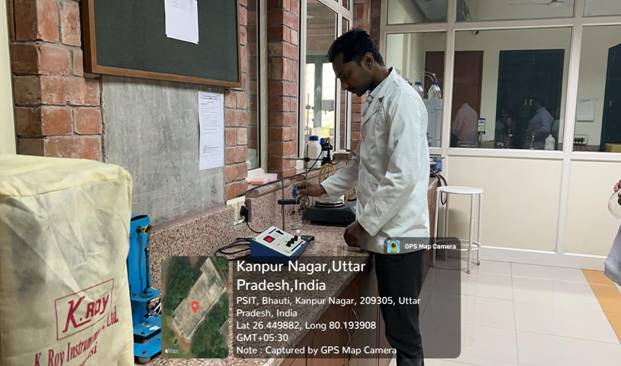
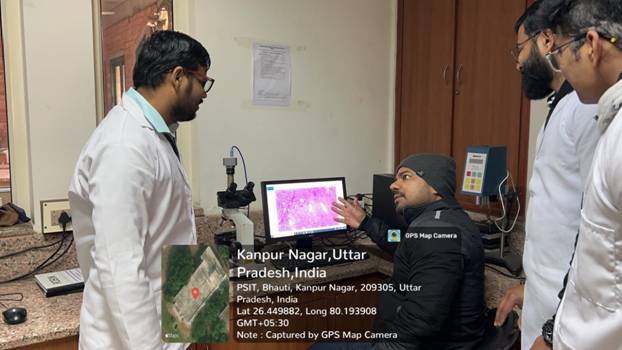
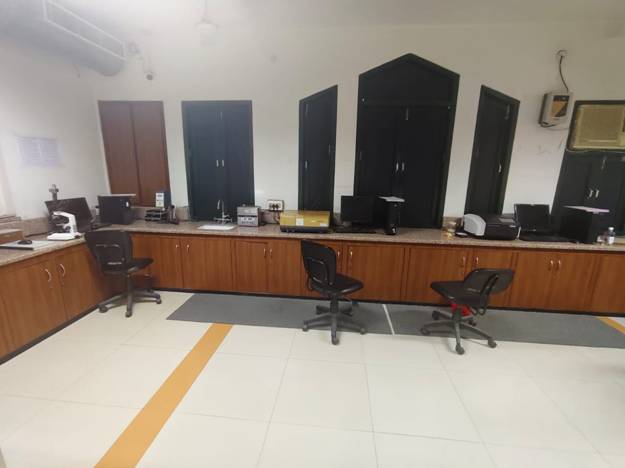
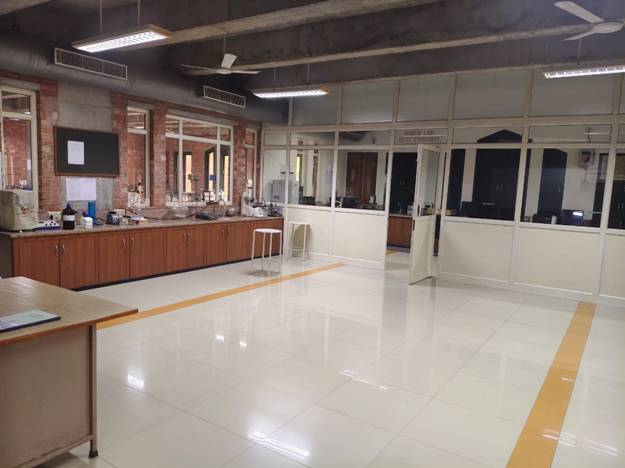
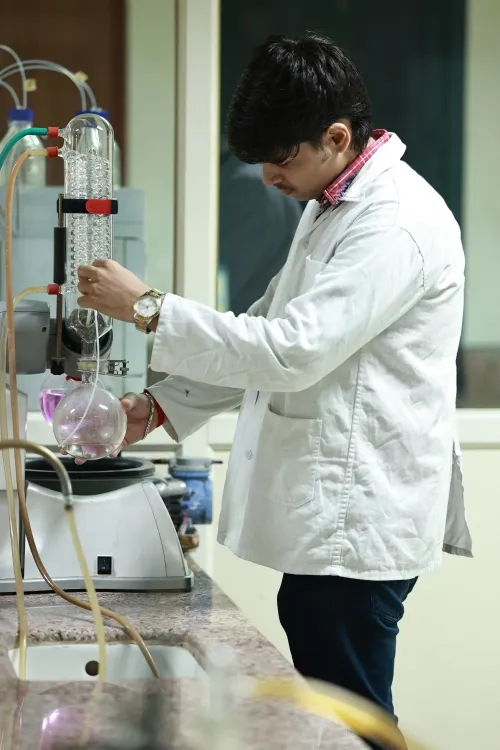
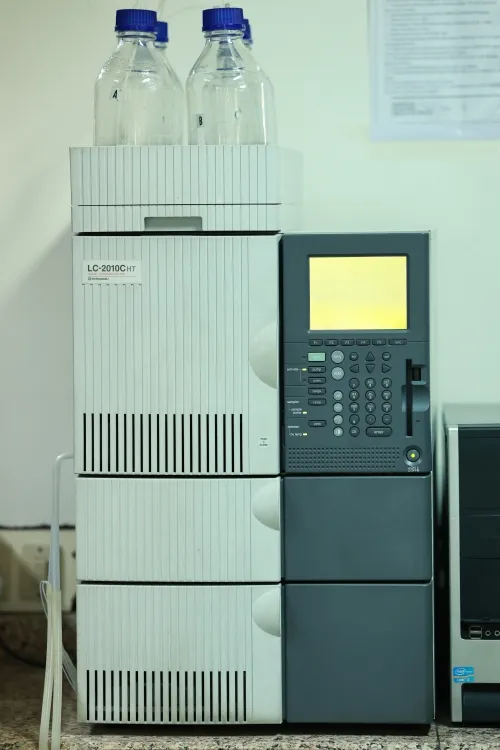
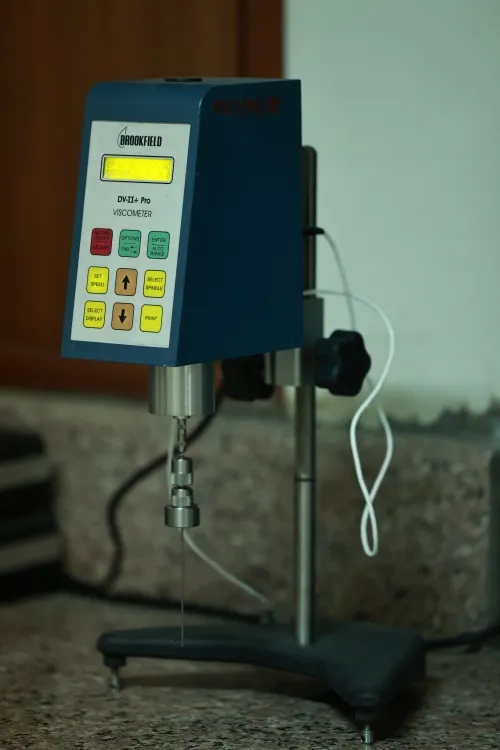
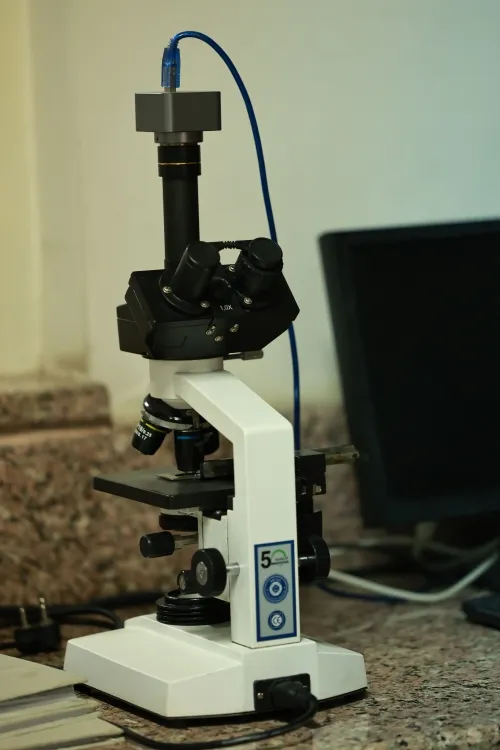
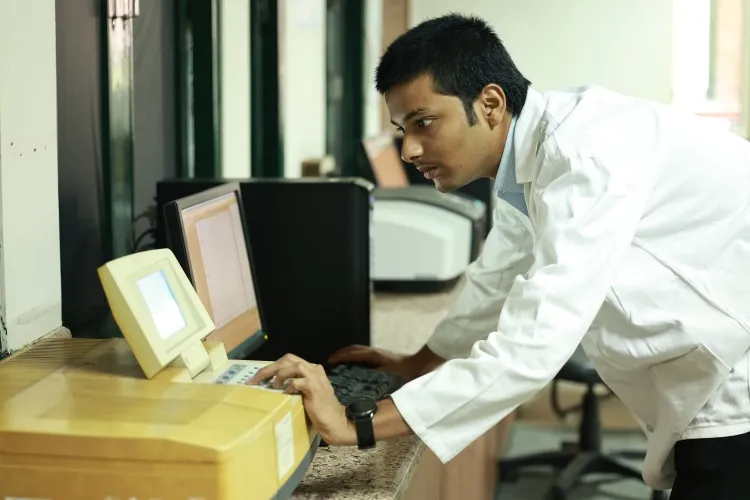
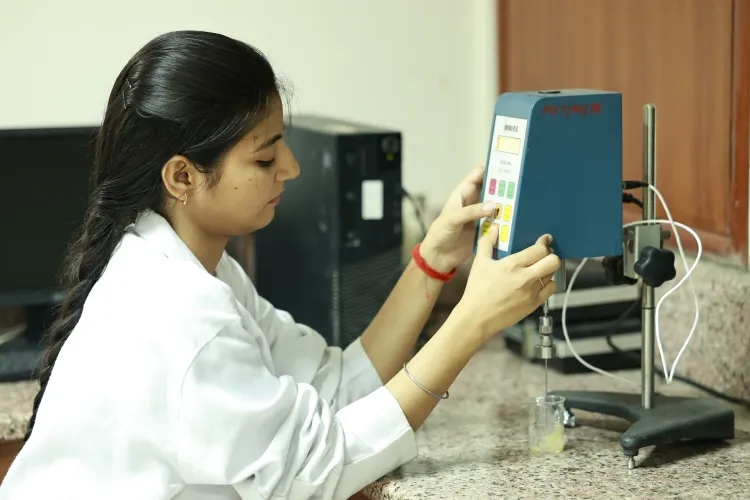
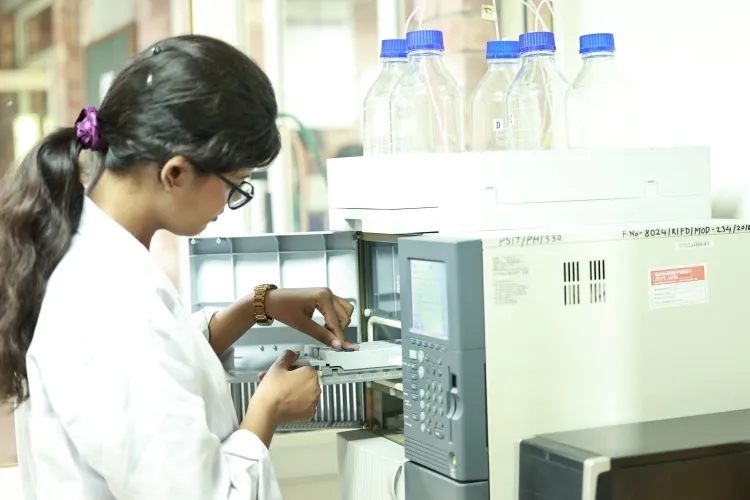
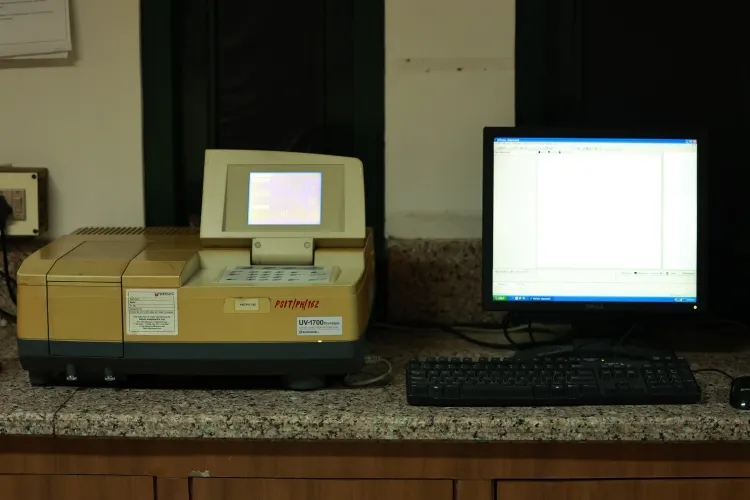
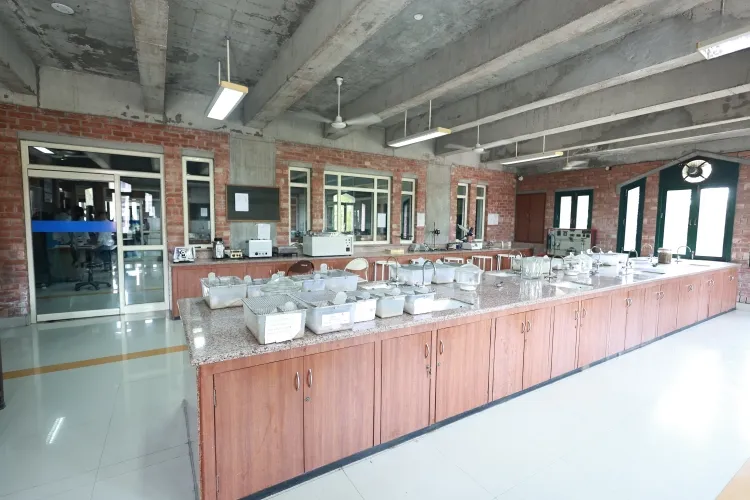
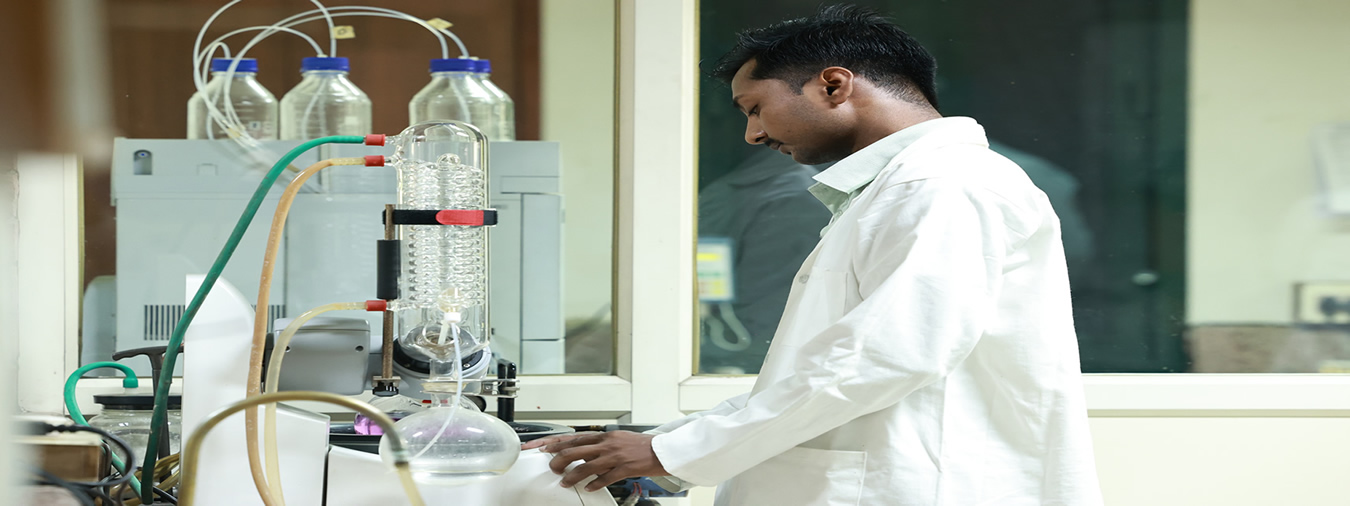
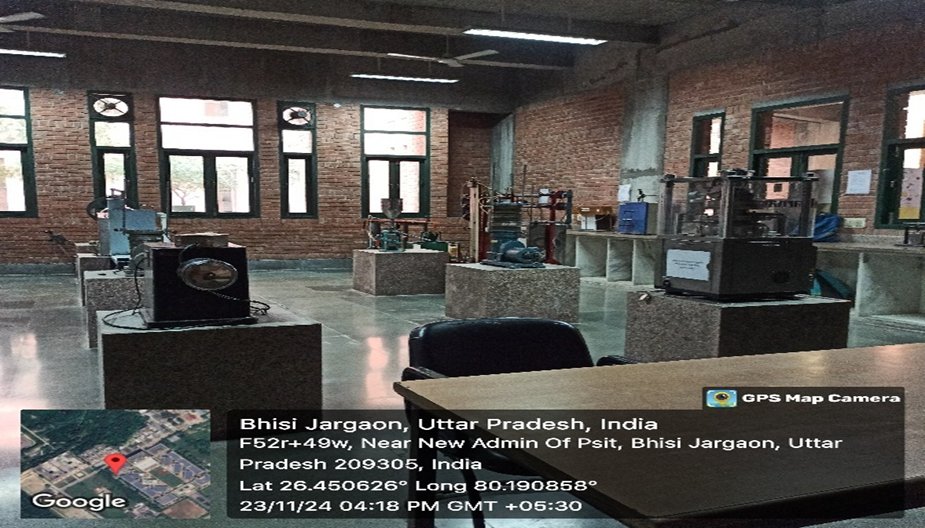
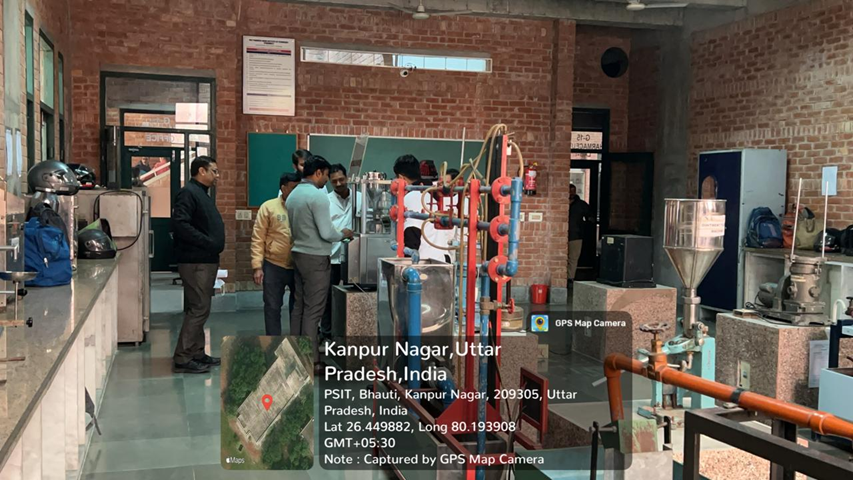
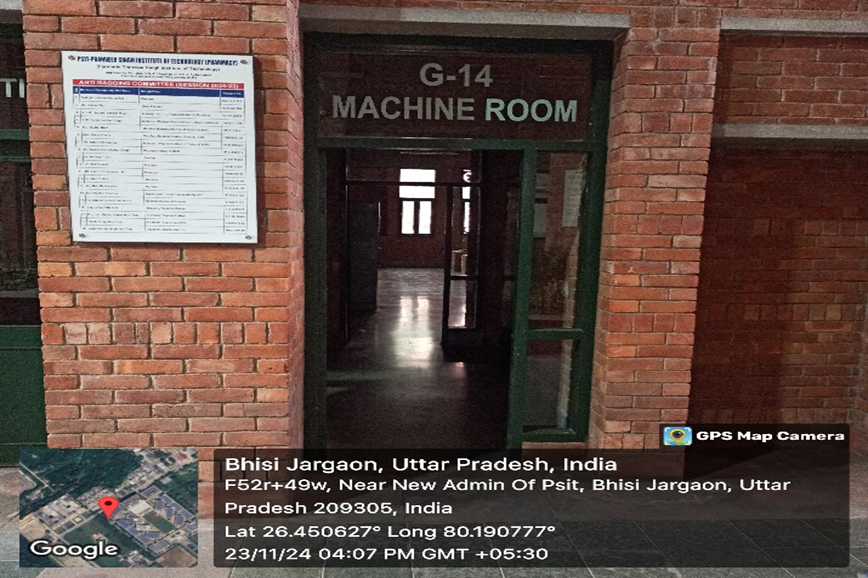
The Machine Room is spacious, well-ventilated, and organised to ensure a smooth and safe workflow. Vision and Mission of the institute, along with clear display boards, are prominently placed to reflect institutional values and guide operational standards. All equipmentis maintained regularly, and Standard Operating Procedures (SOPs) are clearly displayed for each machine to guide proper operation in compliance with Good Manufacturing Practices (GMP). Safety measures, including fire extinguishers, first-aid kits, emergency switches,and Do’s and Don’ts boards, are installed to maintain a secure environment. In the machine room, a range of specialized equipment used for drug development and manufacturing is available. Some of the most commonly used machines include Ampoule Filling & SealingMachine, Bottle Filling Machine, Ball Mill, Bottle Washing Machine, Capsule Filling Machine, Disintegration Test Apparatus, Tablet Coting Machine, Tray Dryer, Venturi and Orifice meter, Reynolds apparatus, sieve shaker, tube sealing (crimping machine), bottle sealingmachine, ointment filling machine, and liquid filling machine. These machines are used to prepare pharmaceutical formulations and dosage forms, such as tablets, capsules, and powders. To maintain the integrity and safety of the equipment and the substances beingprocessed, the machine room is typically equipped with a range of safety features.
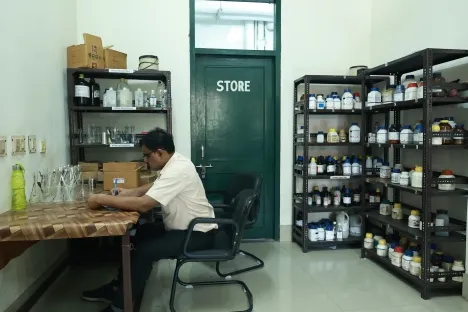
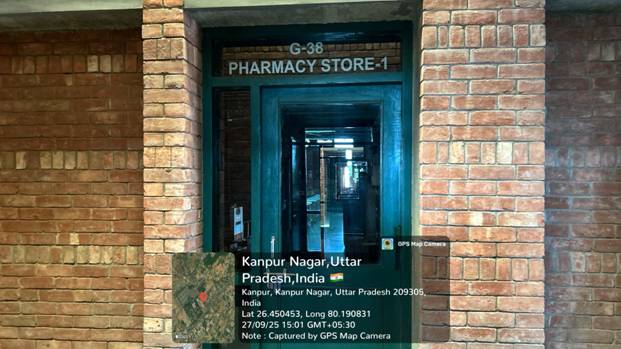
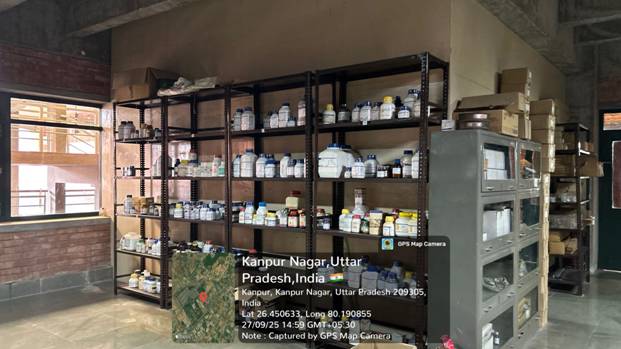
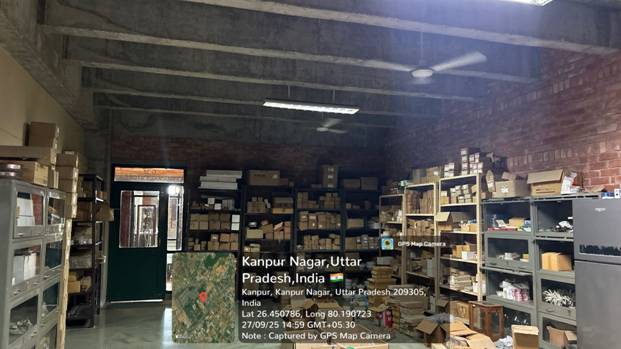
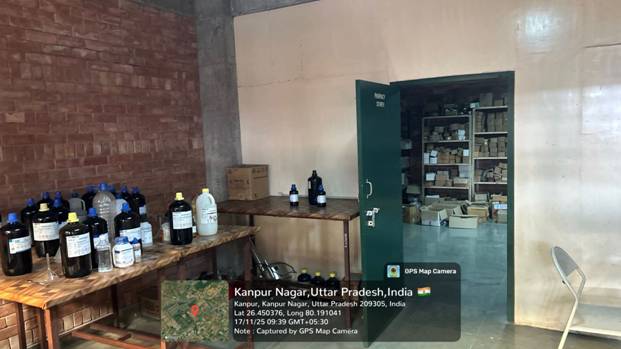
The Pharmacy Store is systematically organized to support academic and laboratory requirements of the institute. It ensures the proper procurement, storage, and distribution of chemicals, reagents, glassware, instruments, and consumables required for practical classes and research activities. All materials are clearly labeled, stored under appropriate conditions, and maintained through updated stock registers and issue records. The store follows standard safety practices, including segregated storage, spill control measures, and restricted access, ensuring uninterrupted laboratory functioning and efficient resource management.
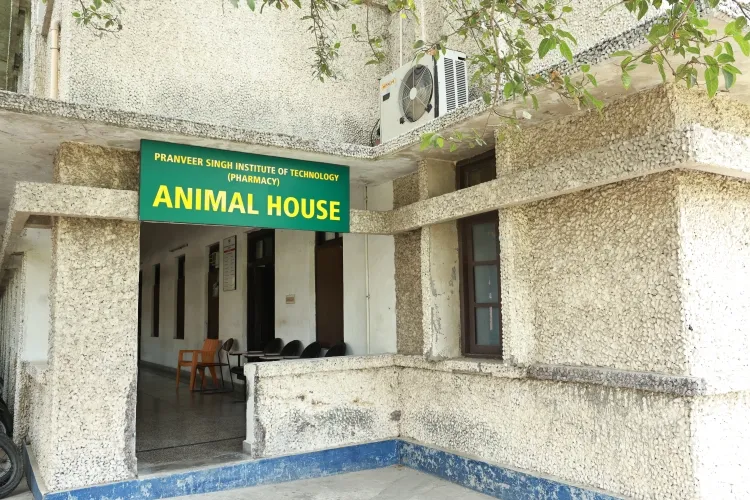
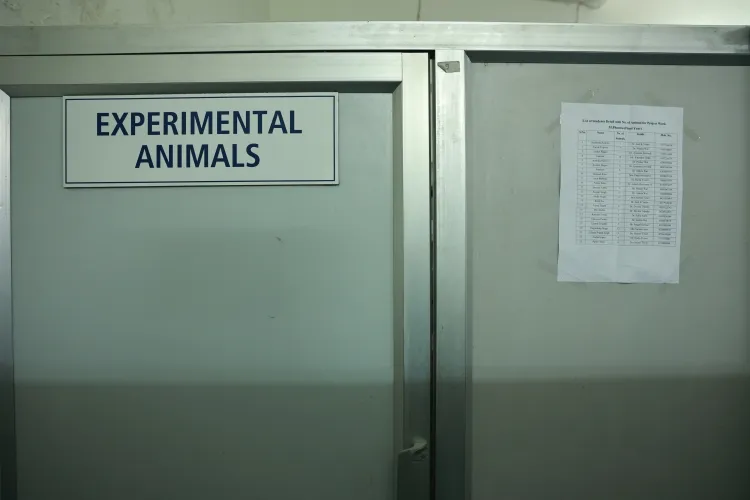
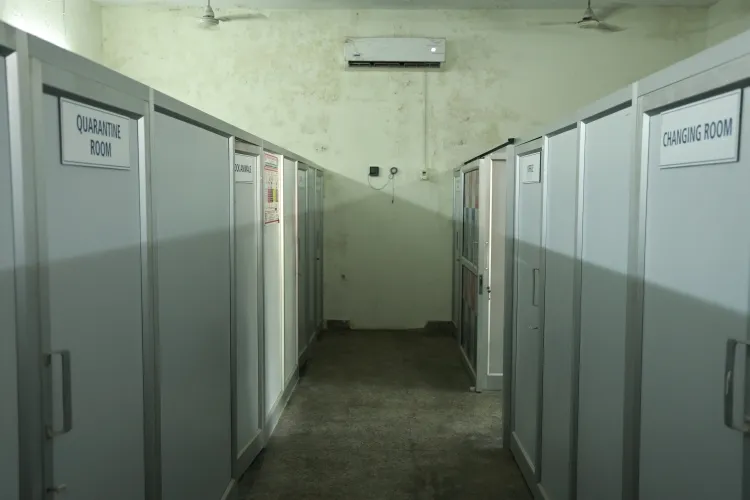
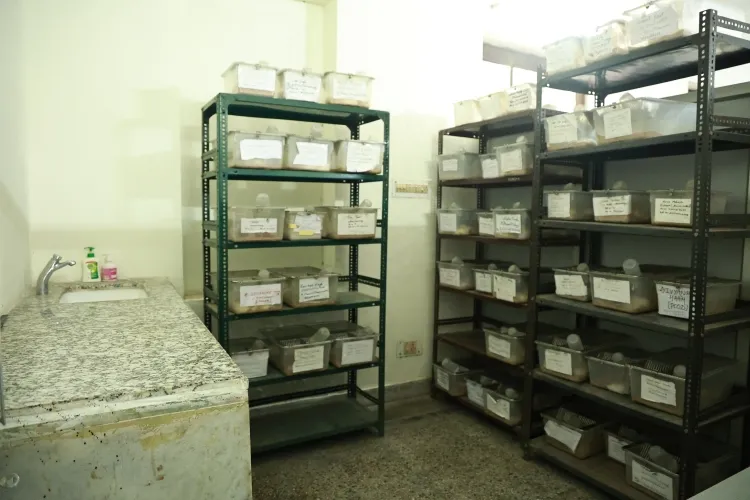
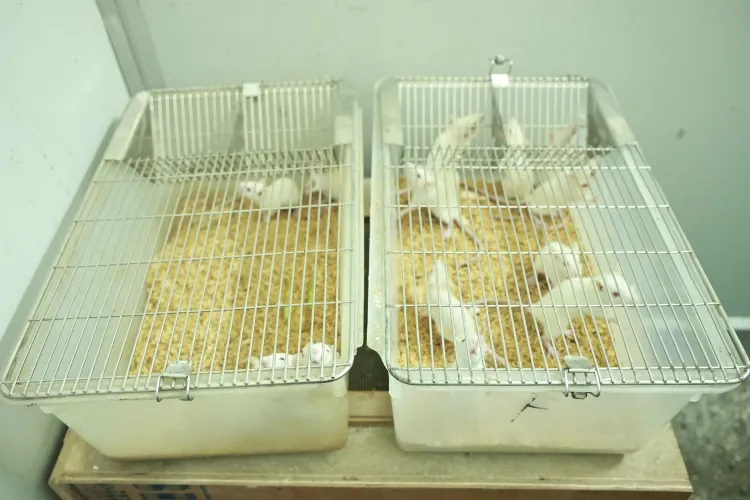
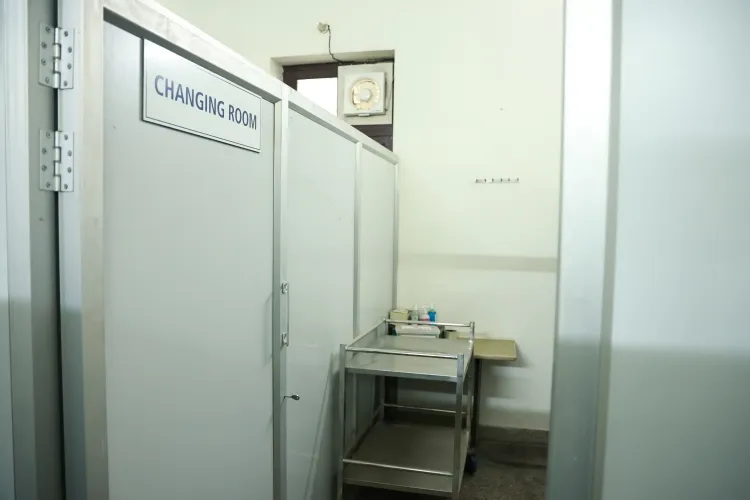
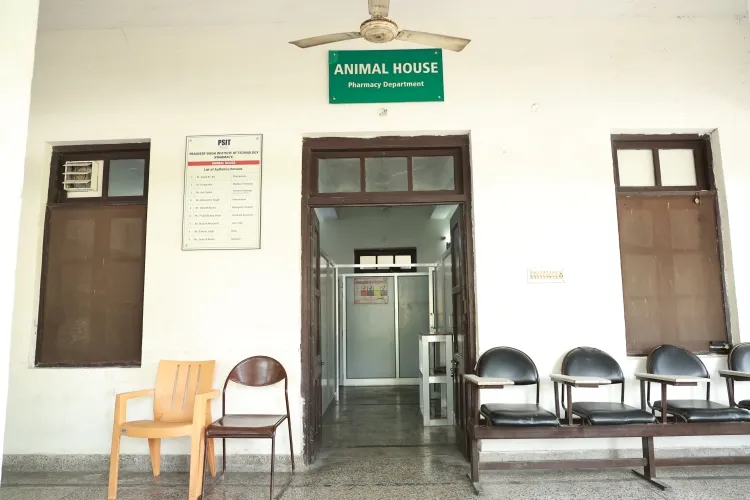
The institute maintains a well-established Animal House Facility having an area of 60 m2 , registered with the Committee for Control and Supervision of Experiments on Animals (CCSEA) (Registration number is 1273/PO/Re/S/09/CPCSEA), permitting research and educational activities on small laboratory animals. The Animal House operates strictly in accordance with CPCSEA/CCSEA guidelines and functions under the oversight of the Institutional Animal Ethics Committee (IAEC), with all experimental protocols approved before execution. The facility is equipped with all essential infrastructure to ensure ethical care, hygiene, and controlled environmental conditions. Dedicated spaces include: Dissection Room, Sick Room, Experimental Animals, Office, Quarantine Room, Washing Area, Changing Room, Store, Stock Animals, Laboratory. Devices for temperature maintenance and humidity control are installed as per CCSEA norms. Environmental standards are maintained through a digital thermohygrometer. The facility currently houses Wistar rats, used for permitted educational and research purposes under IAEC supervision.
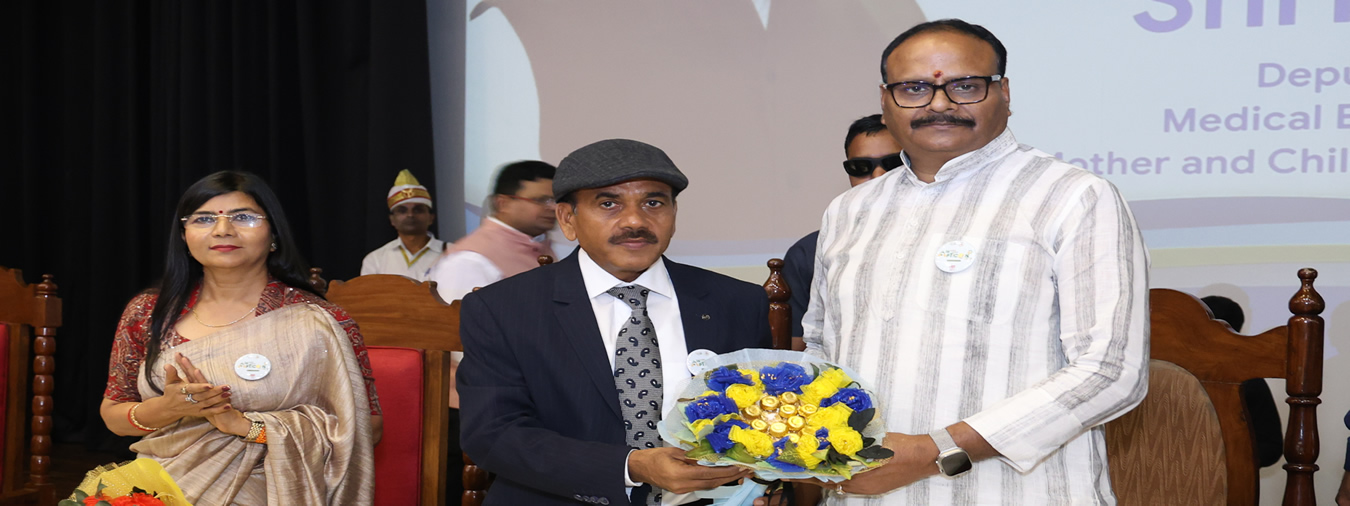
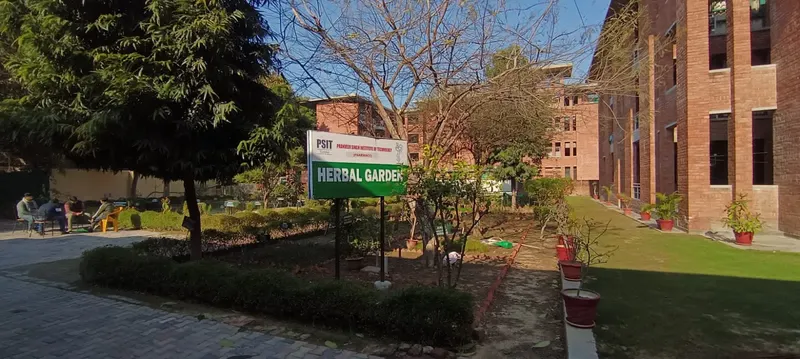
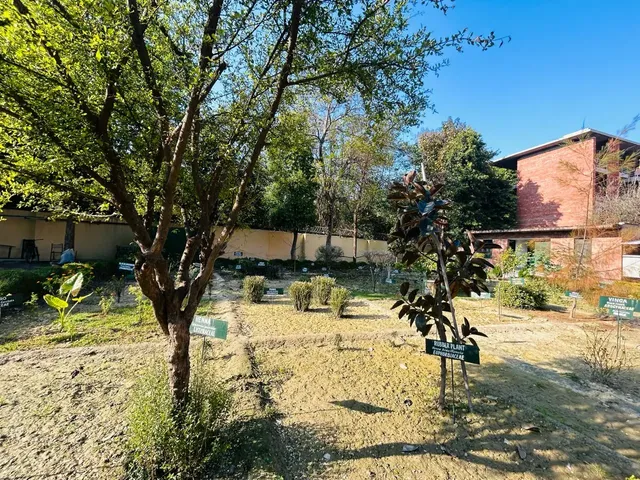
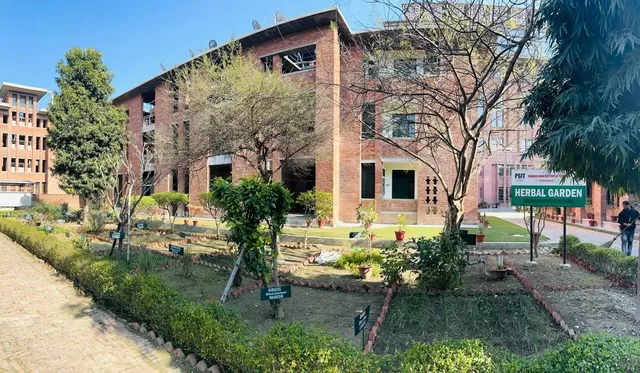
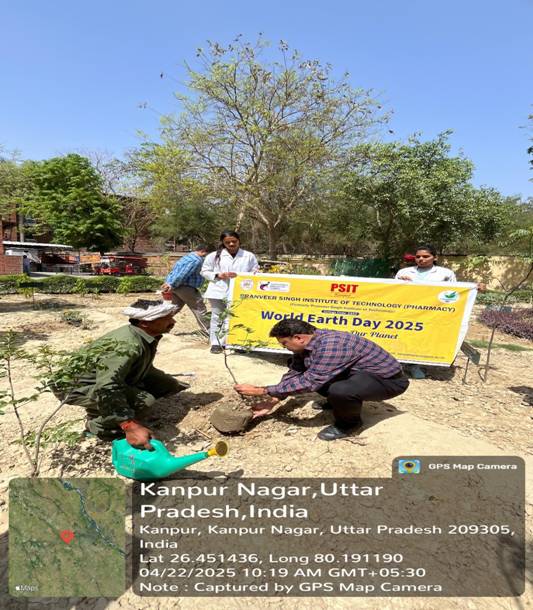
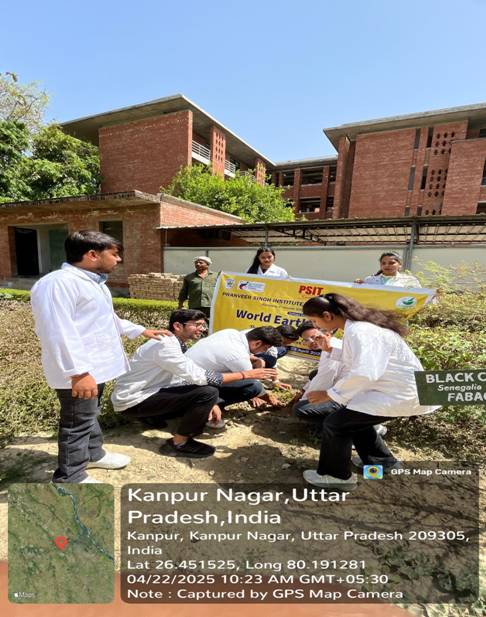
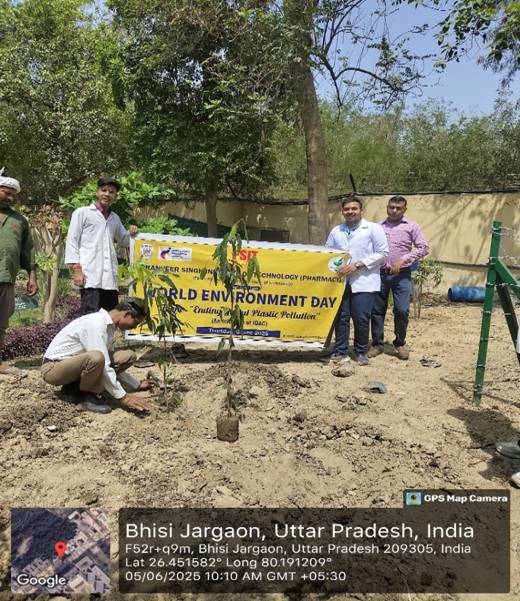
The institute maintains a herbal garden with 92 species of important medicinal and aromatic plants. The herbal garden have an area of 600m with a variety of plants and trees. Its main objective is to conduct experimental work, as well as to preserve and promote the medicine balance between man and nature. The herbal garden lies with the descriptive labels with their botanical names; vernacular names are displayed for the different sections and plants. All the plants in the herbal garden have QR codes. When scanned, they show complete information soil. Guests and dignitaries are encouraged to plant a new species during their campus visit, promoting a sense of contribution.
Various students project works are carried out using plants from the herbal garden, including Hibiscus rosa-sinensis, Rosa indica, Aloe barbadensis, Adhatoda vasica, Azadirachta indica, Murraya koenigii, Citrus limon, Rauvolfia serpentina, Mentha piperita, Datura stramoniu while also enhancing their practical skills in identifying and utilizing these species for academic purpose.
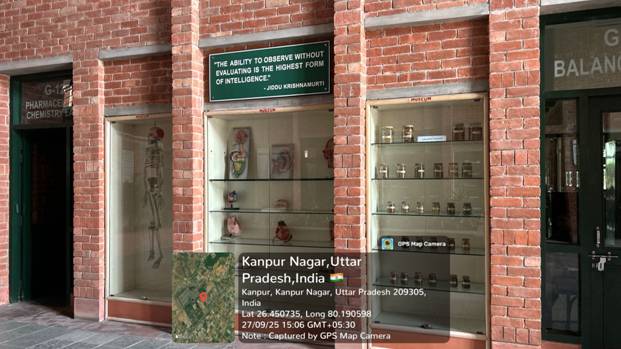
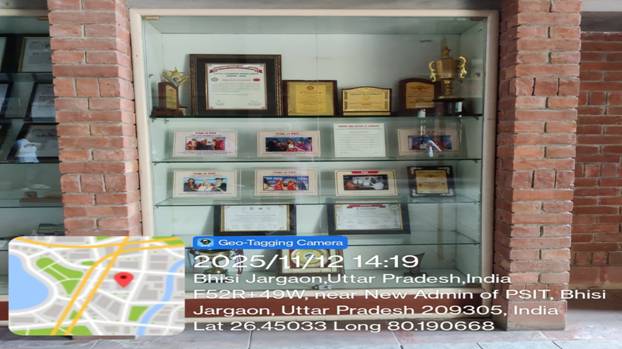
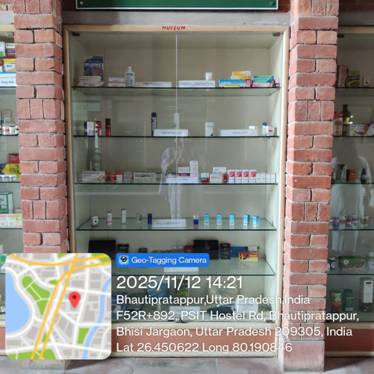
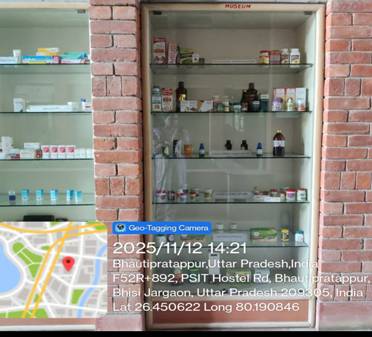
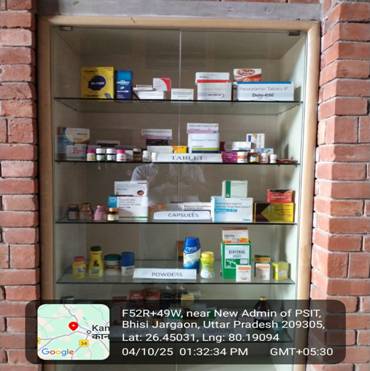
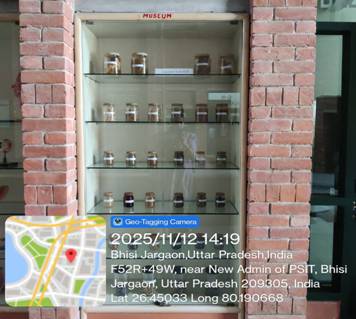
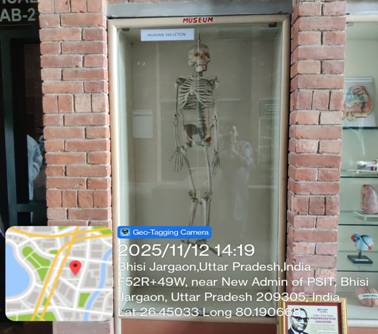
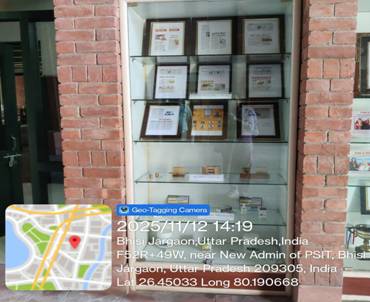
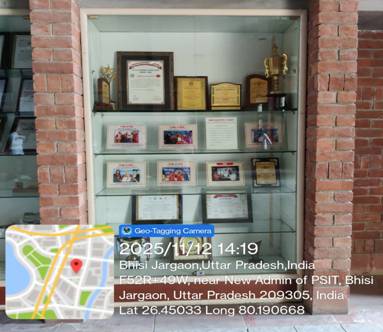
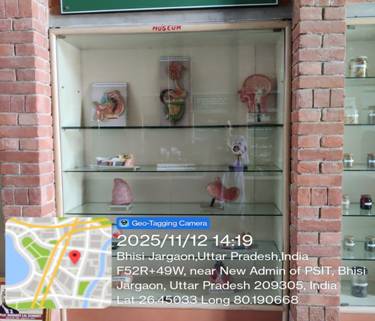
The institute maintains a well-established museum on the ground floor that serves as a comprehensive learning resource for students. The museum displays a wide range of pharmaceutical dosage forms, including tablets, capsules, powders, semi-solids, aerosols, inhalers, injections, and ophthalmic/otic preparations, along with novel formulations and marketed products developed through institutional projects. Dedicated sections on medicinal plants and crude drugs, Ayurvedic, Unani, Siddha, and Homoeopathic formulations, and advanced drug delivery systems support learning in conventional, modern, and traditional systems of medicine. The museum also houses a complete human skeletal model and organ models for anatomical understanding, while an innovation corner showcases institutional research outputs, herbal formulations, student startup models, and achievements, reflecting the institute’s academic excellence and innovative culture.
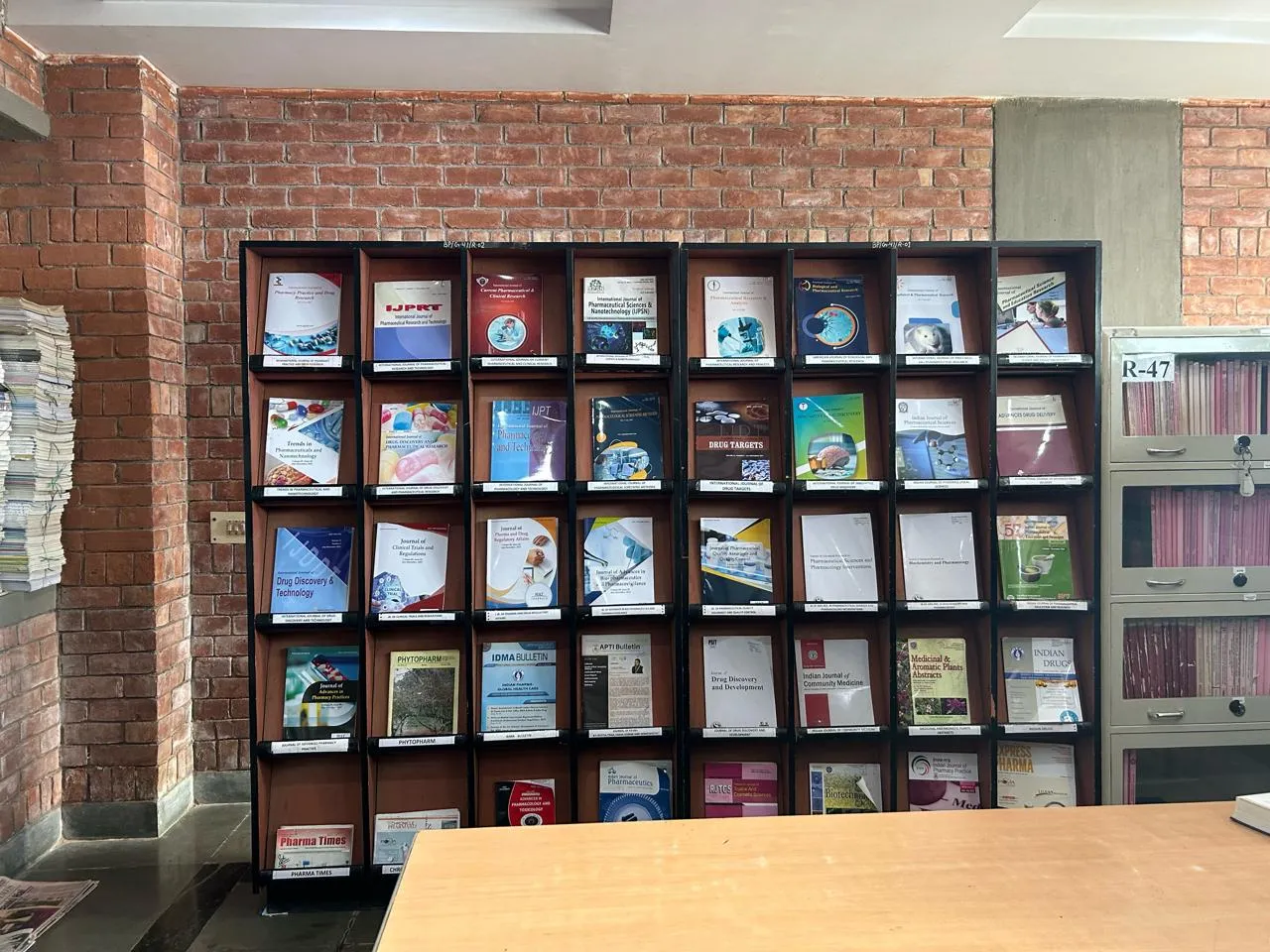
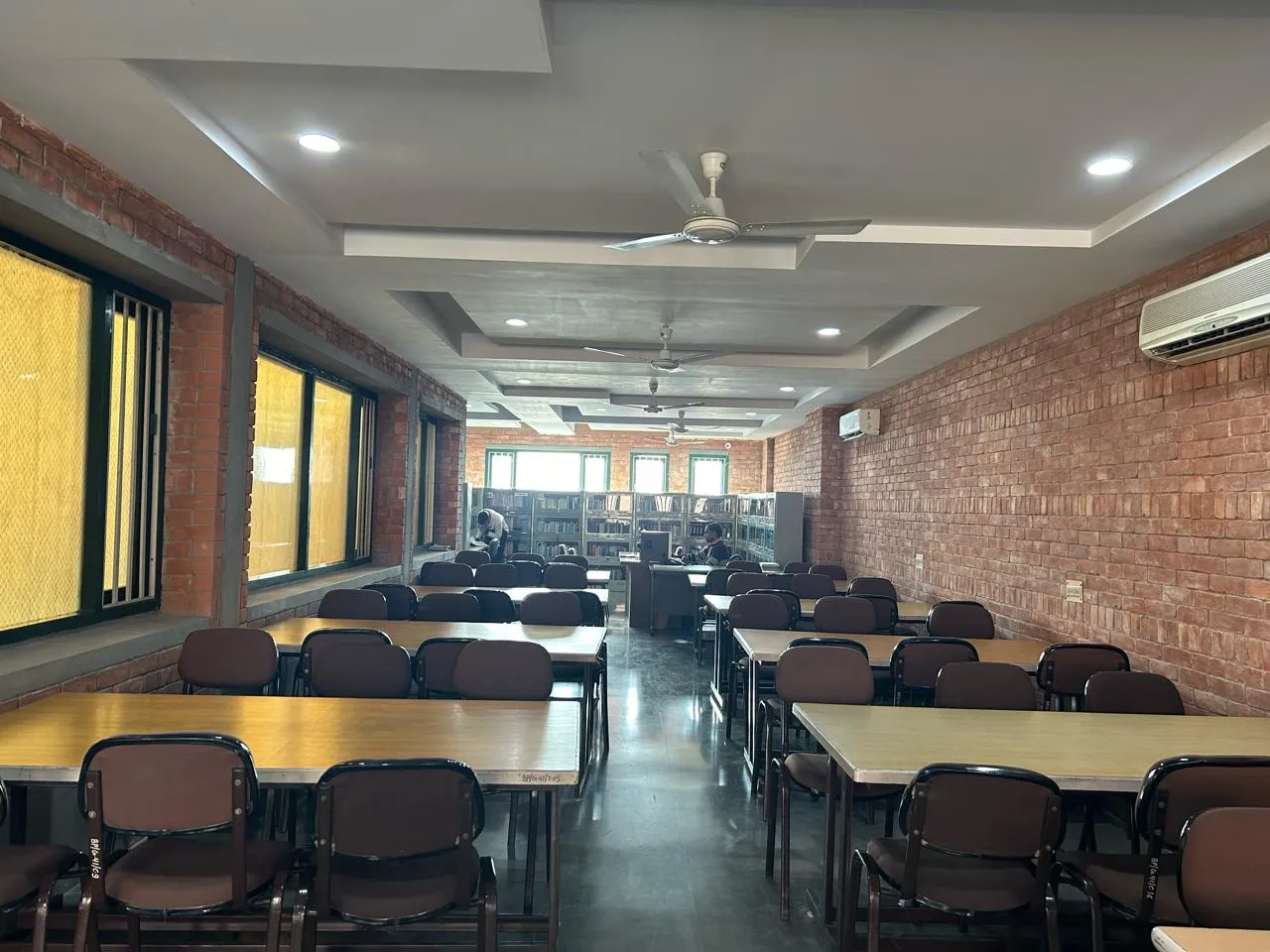
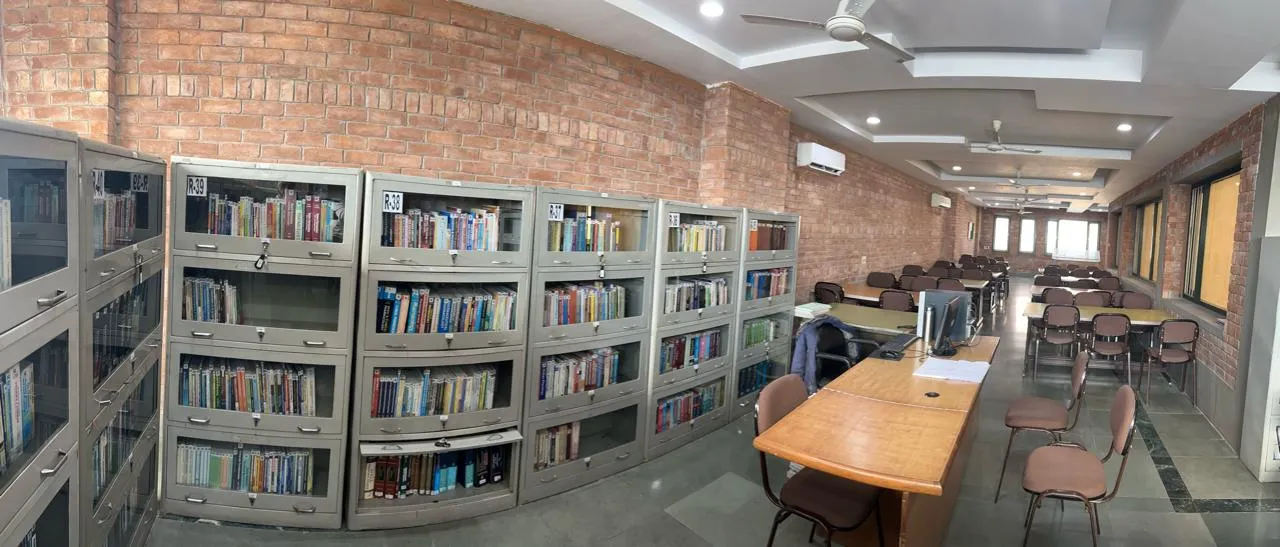
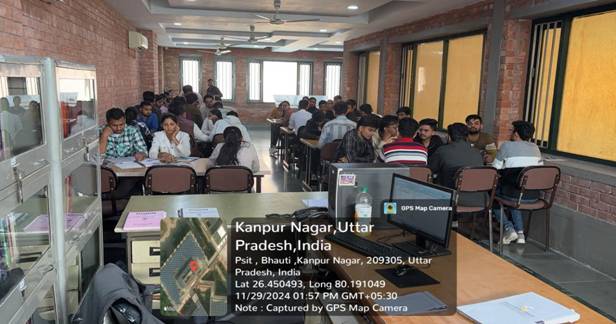
The Institute Library serves as a modern Learning Resource Center dedicated to fulfilling the academic and research needs of students and faculty members. In alignment with the Institute’s vision and mission, the library provides access to quality learning resources, digital services, and advanced academic support facilities.
The library offers a spacious, reader-friendly, and fully air-conditioned environment with a rich collection of over 12,000 textbooks and reference books in Pharmacy and allied disciplines. It also provides access to national and international journals, e-books, and e-journals to support teaching, learning, and research activities.
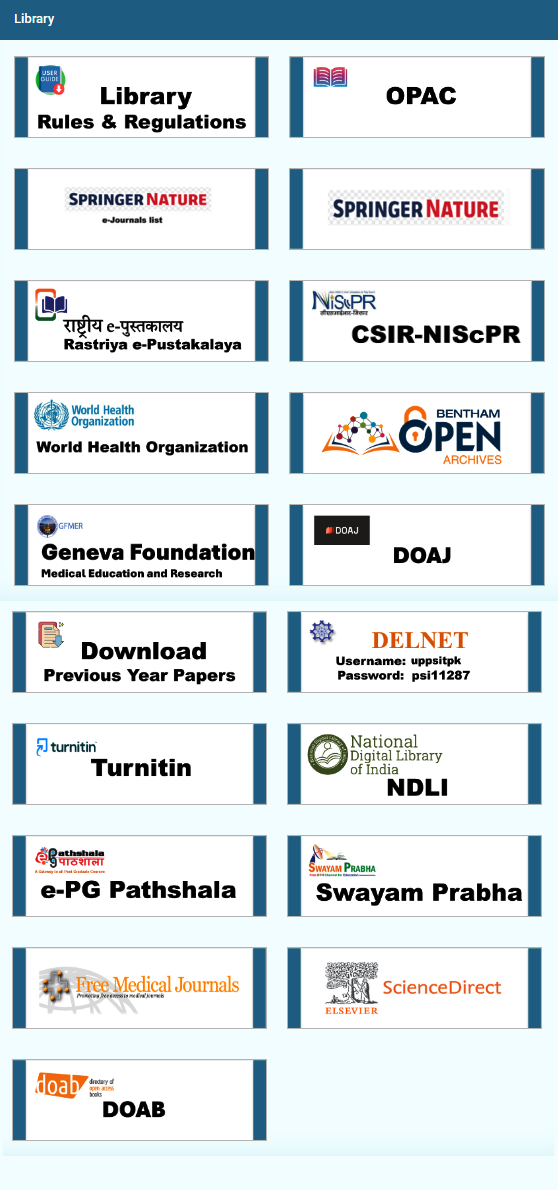
The library is fully automated with OPAC and ERP based library management services. It also provides Wi-Fi connectivity, digital library facilities, and plagiarism detection support through Turnitin. Users can access valuable e-resources such as Springer Nature, DELNET, NDLI, NPTEL, SWAYAM Prabha, DOAJ, DOAB, and e-PG Pathshala.
Library ERP Portal:-
The Library section on the ERP Portal (https://erp.psitpharmacy.ac.in/) provides library users better visibility and access to library e-resources, other relevant information, services and activities.
The library ensures a secure and technology-enabled environment through biometric access, 24×7 CCTV surveillance, and centralized fire safety systems. With its modern infrastructure and user-centric services, the library continuously promotes self-learning, innovation, research culture, and academic excellence.
| LIBRARY AT A GLANCE | ||
|---|---|---|
| Library Collection | Title | Vols. |
| 1501 | 12226 | |
| Library Hour | Monday to Saturday: 09:00 am – 05:00 pm | |
| Location | G-41, 3rd Floor | |
| Print Journals | 22 | |
| Digital Library | Yes | |
| Wi-Fi | Yes | |
| Plagiarism Software |  | |
| Digital Resources | E-Books & E-Journals | DELNET, NDLI & Springer Nature |
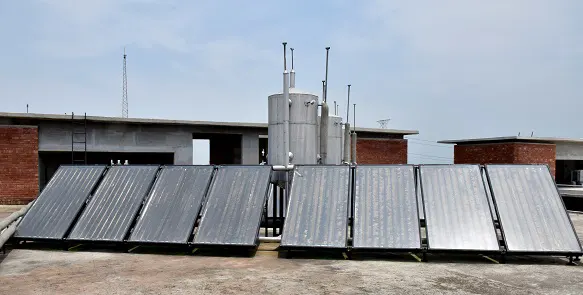
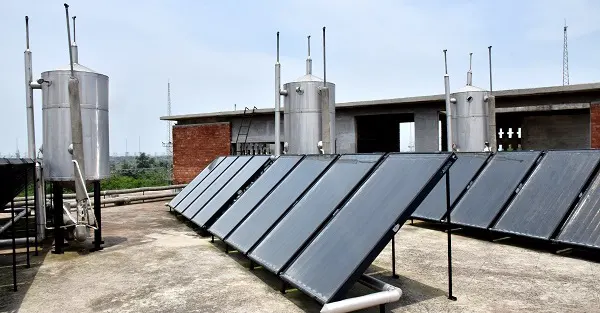
The institute is equipped with solar water heaters that utilize renewable solar energy to provide a reliable and energy-efficient hot water supply. A total of 8 solar water heating units with a combined capacity of 49,500 liters are installed on the rooftops of Girls’ Hostels (A, B, C, and D) and Boys’ Hostels (A, B, and C). These systems operate without fuel consumption, produce no emissions, and require minimal maintenance due to the absence of moving parts. The use of solar water heaters significantly reduces electricity consumption, supports environmental sustainability, and ensures a consistent hot water supply for hostel residents.
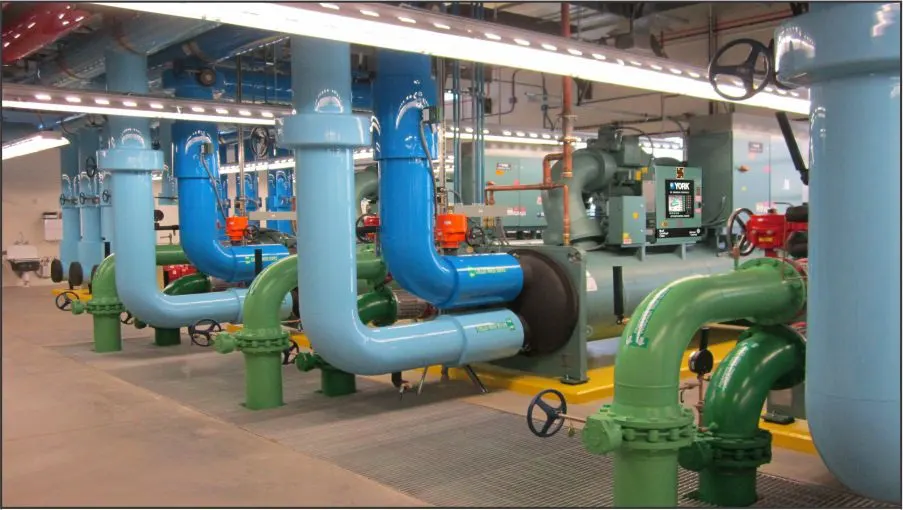
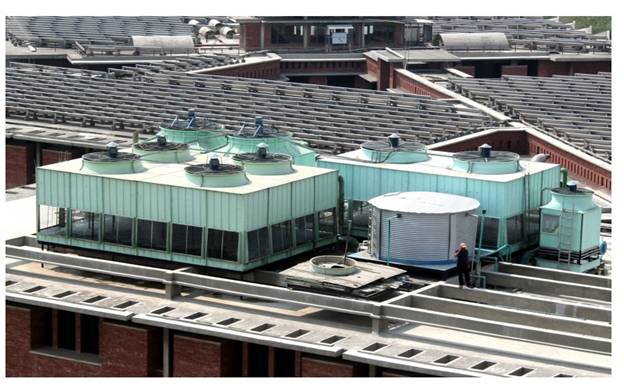
The institute is equipped with a Central Air Conditioning system to ensure a comfortable and conducive learning environment, particularly during hot climatic conditions. The system operates through supply and return ducts that distribute cooled air efficiently across academic spaces, supporting better concentration, health, and indoor air quality. The central facility comprises two centrifugal chillers with capacities of 819 TR and 516 TR, respectively. Additionally, three cooling towers are installed on the roof of D Block, with capacities of 1000 tons and 600 tons, ensuring effective heat dissipation and reliable cooling performance across the campus.
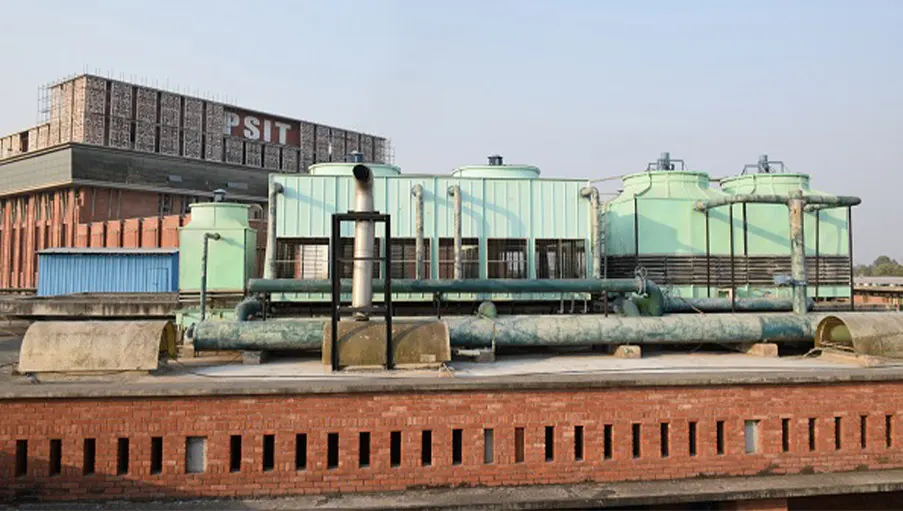
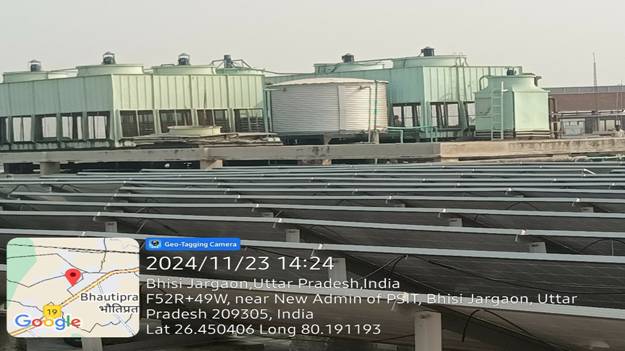
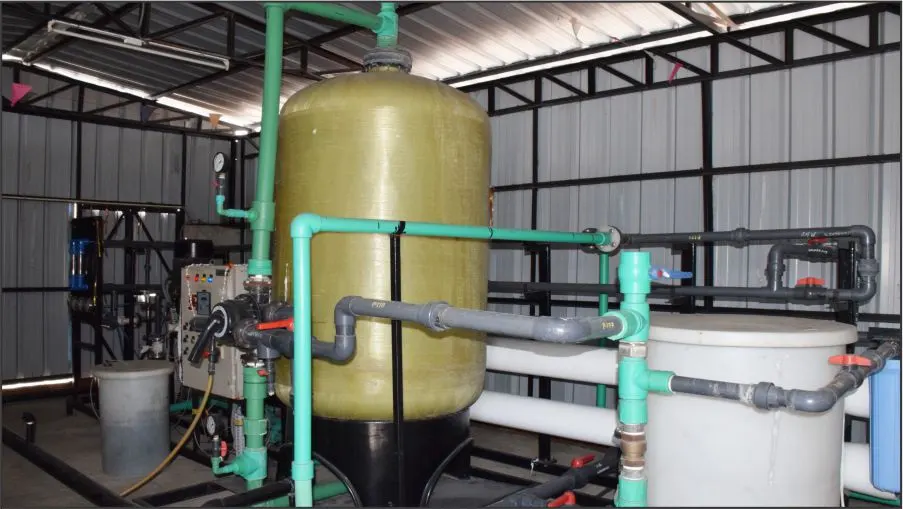
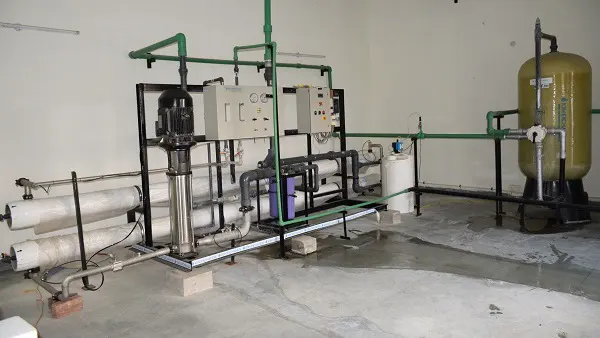
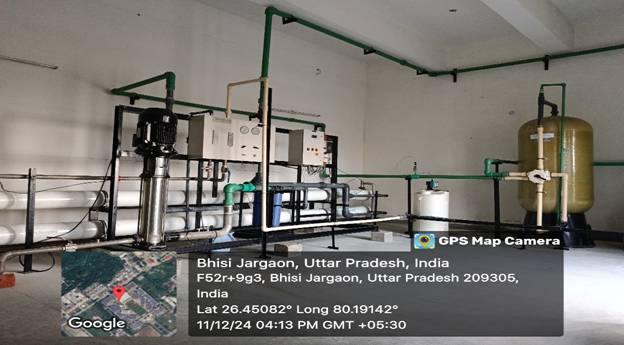
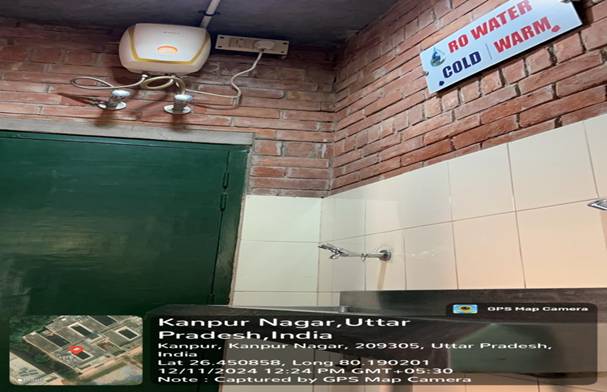
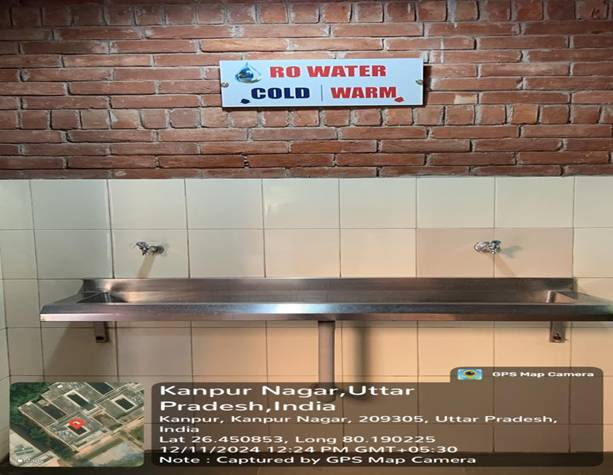
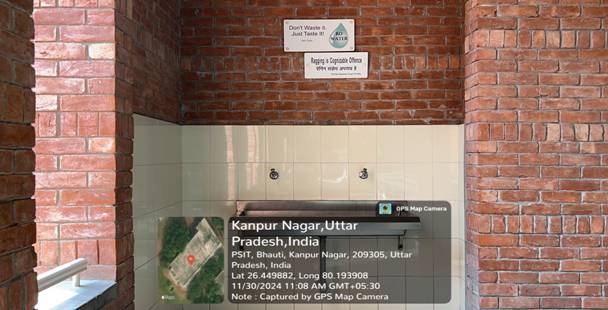
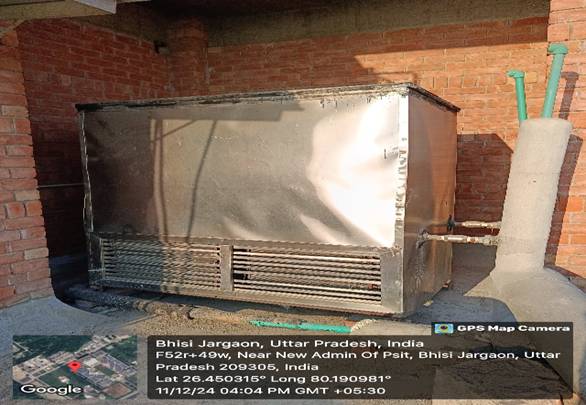
The institute has a Reverse Osmosis (RO) water purification system with a capacity of 30000 liters per hour, installed on the D Block rooftop. RO technology effectively removes harmful toxins, heavy metals, bacteria, viruses, and other contaminants, ensuring safe and clean drinking water. This system protects against waterborne diseases, improves taste, and supports overall health and well-being for students and staff.
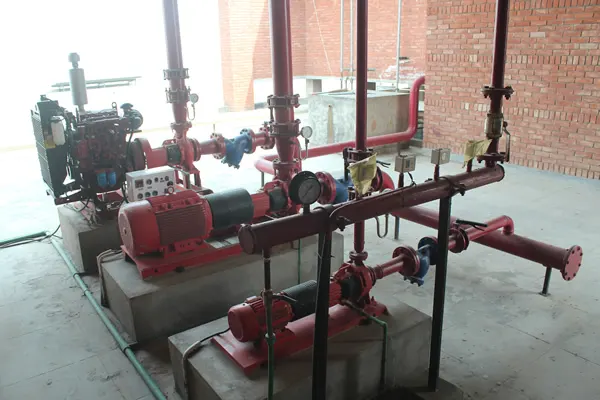
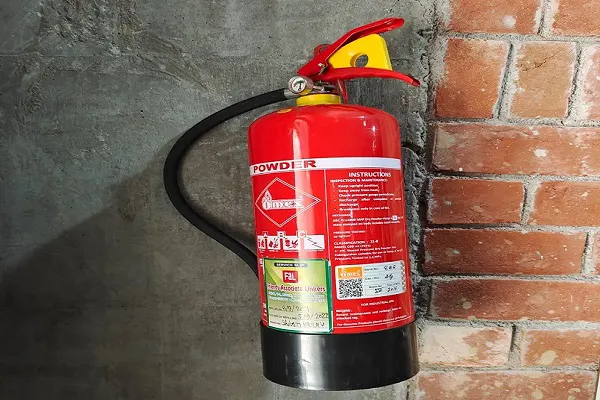
A cross-functional team works round the clock to ensure the safety of the behemoth through fire extinguishers, and water pipes.
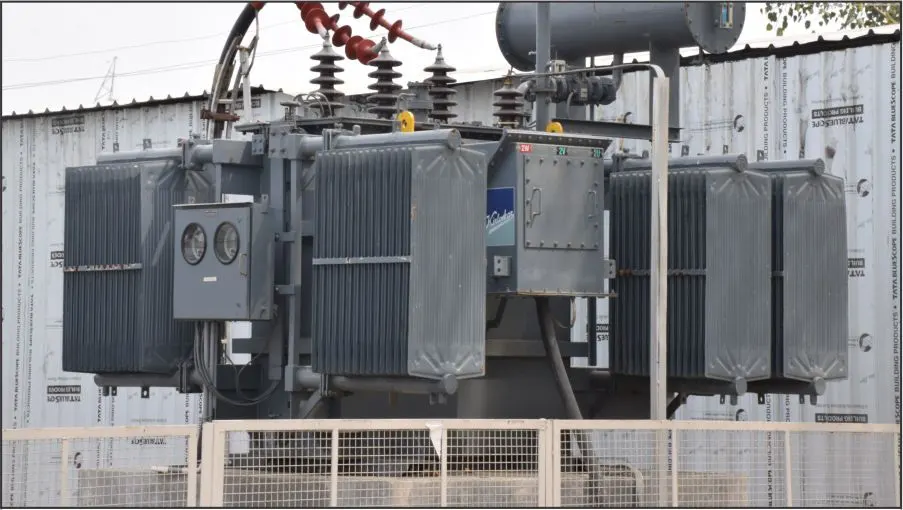
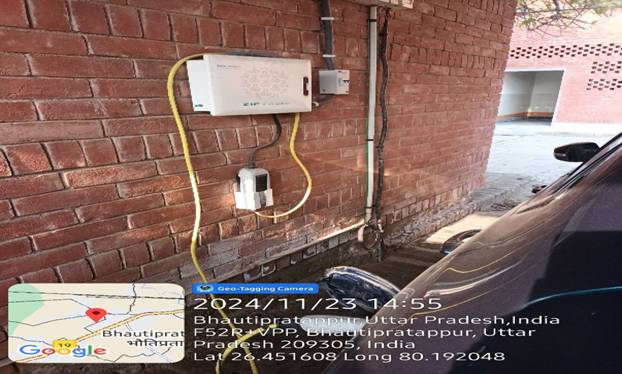
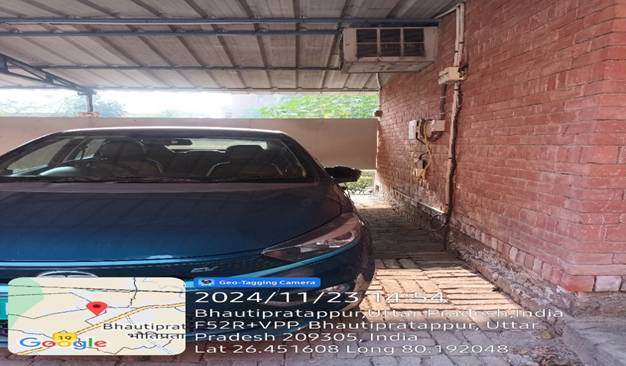
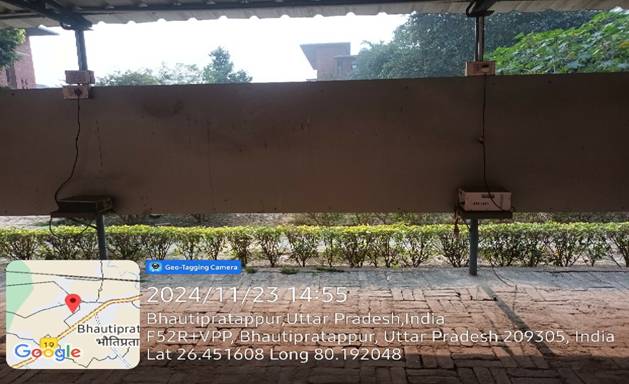
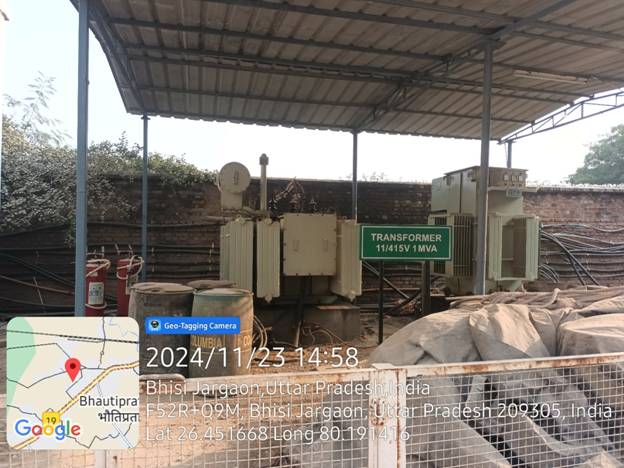
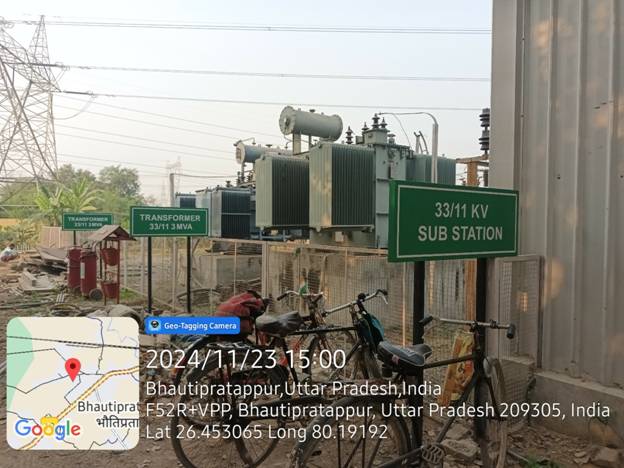
The institute has a reliable Uninterruptible Power Supply (UPS) system to ensure uninterrupted operation of critical infrastructure, including CCTV, electronic attendance, security systems, lighting, and IT processes. This protects against power outages, prevents data loss, and safeguards sensitive laboratory equipment. Additionally, two electric vehicle charging stations support the campus’s electric carts, cars, and bikes, promoting sustainable and energy-efficient transportation.
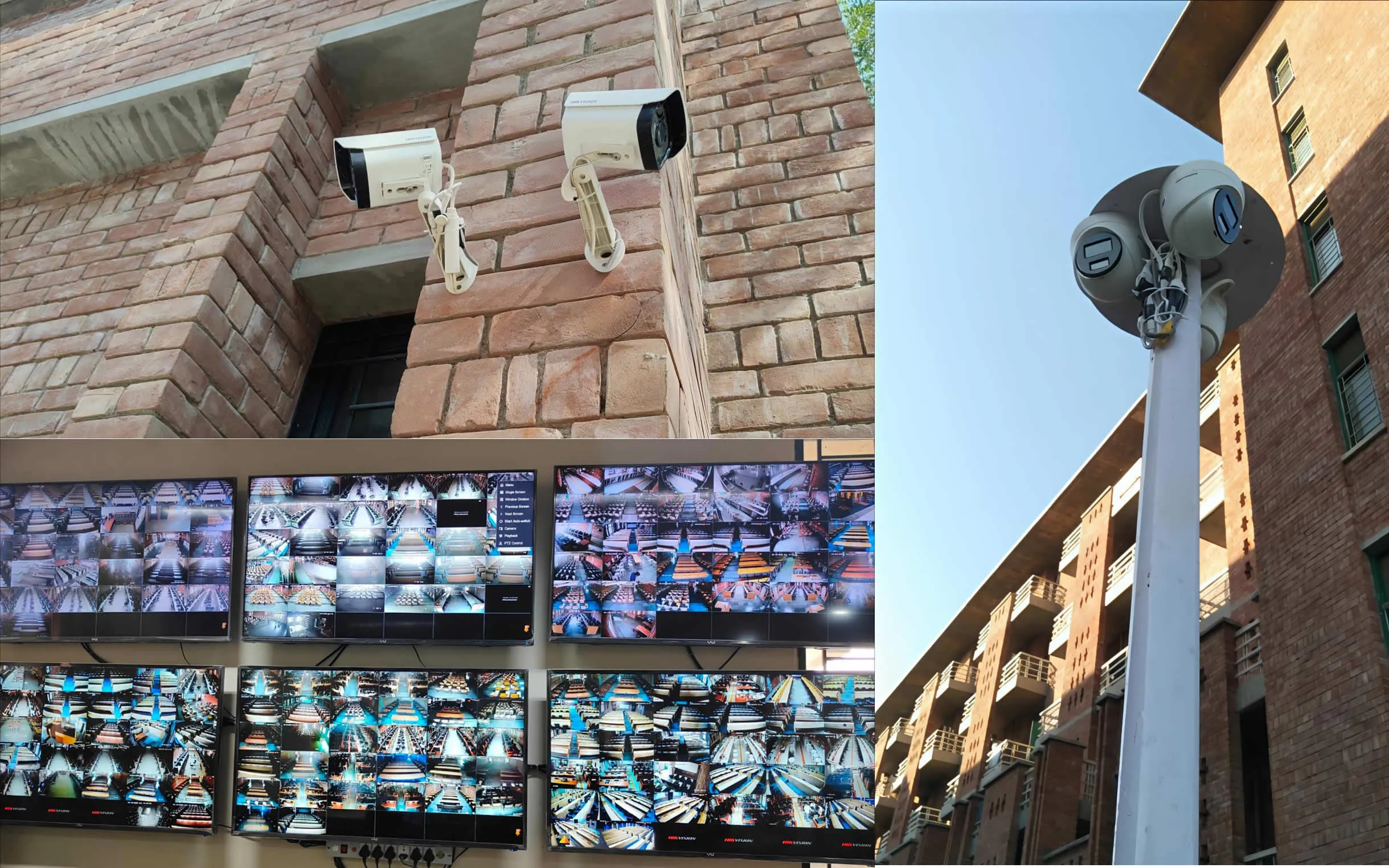
PSIT campus is monitored under 24X7 Closed Circuit Television Camera (CCTV) surveillance to keep a track of all student activities and also to get aware of any unusual occurrences. Hostels are also equipped with CCTV cameras to ensure students' safety.
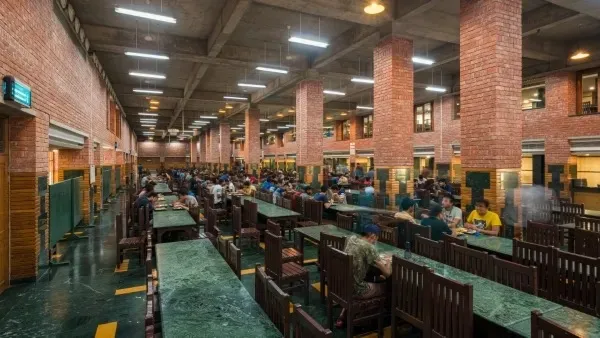
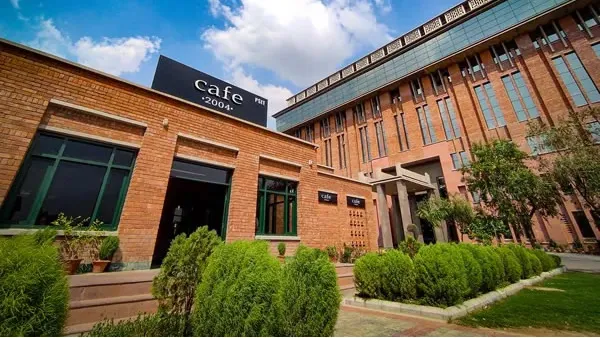
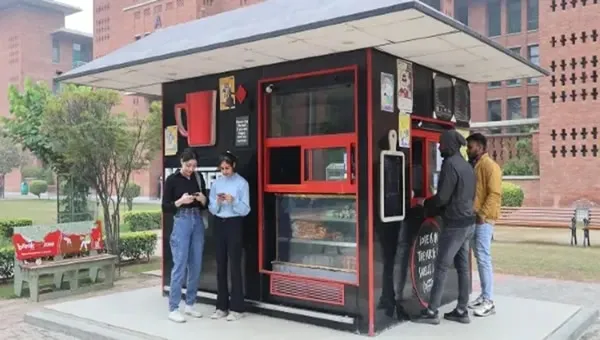
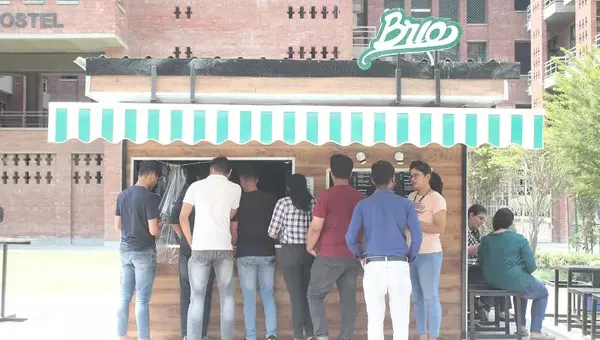
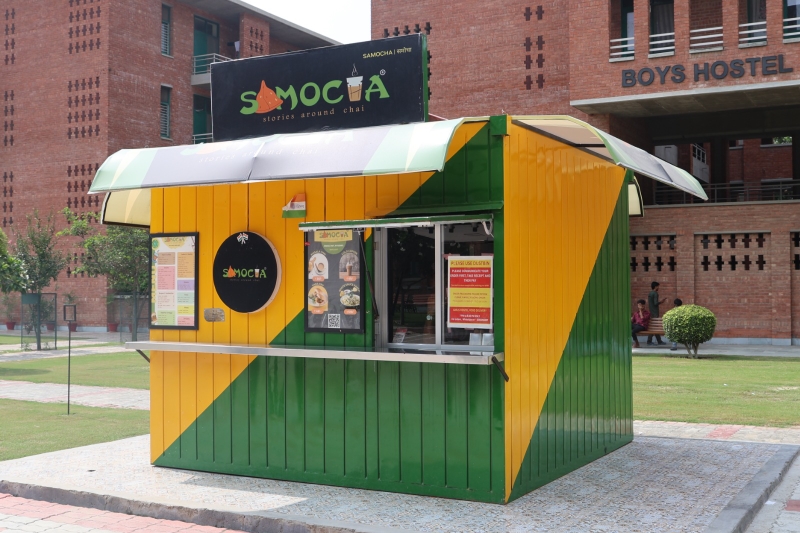
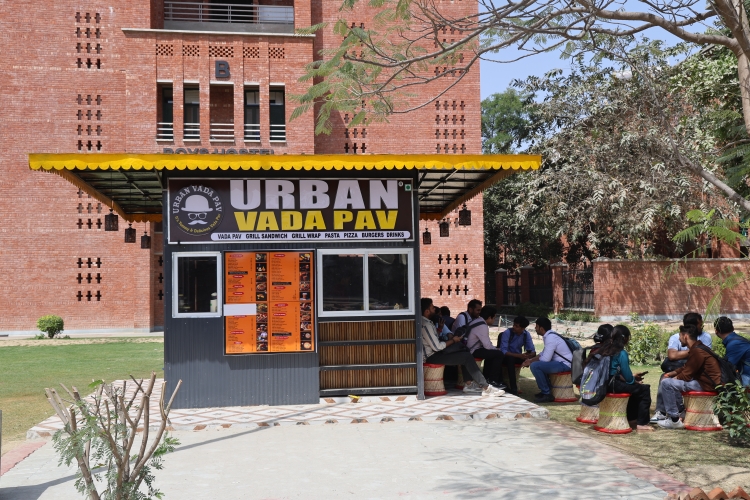
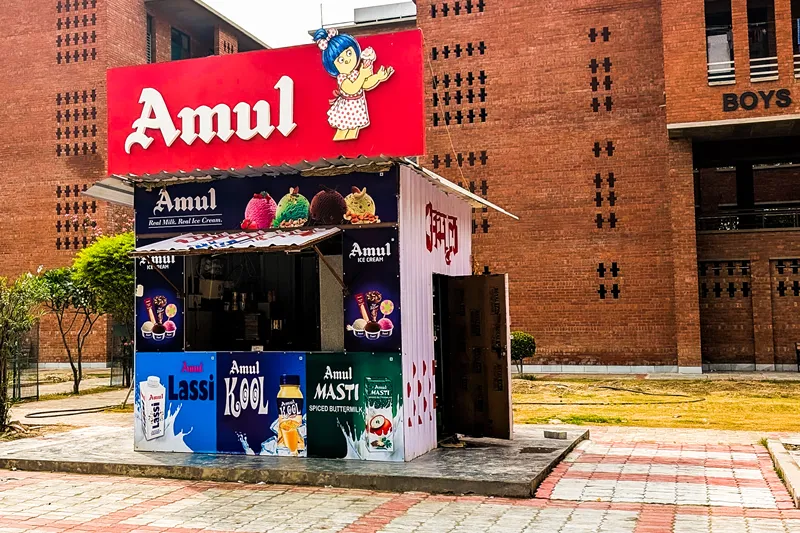
The institution offers many joints for the students to hang-out and also to kill their hunger pangs. This includes canteen, coffee lounge and two separate air-conditioned dining halls for girls and boys.
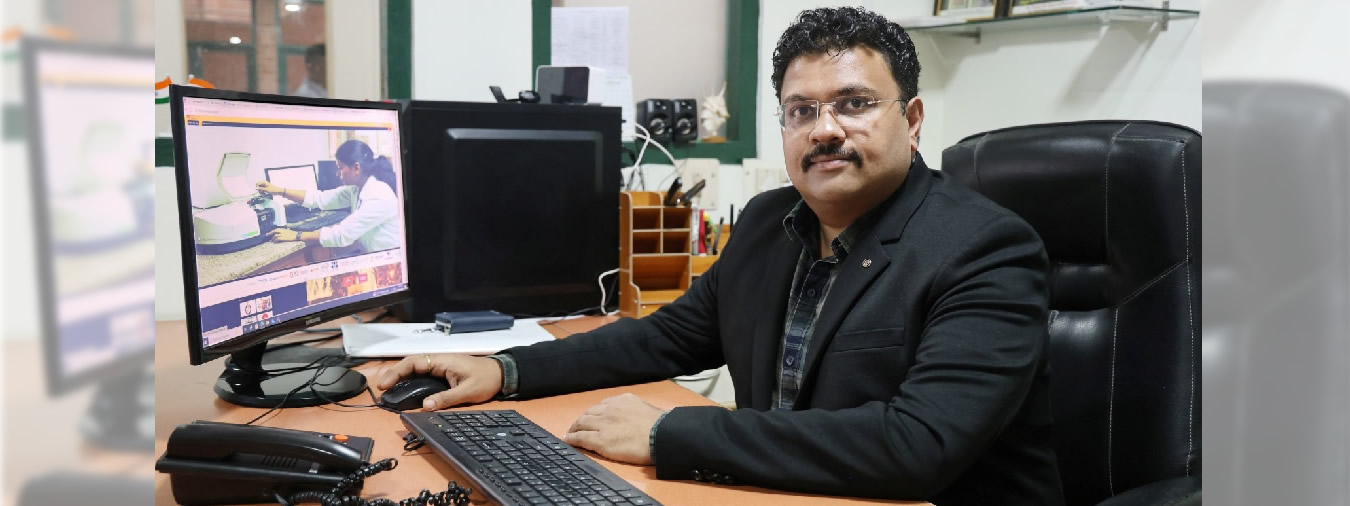
Network Cell is a nodal centre equipped with ICT server room having high-end blade server, firewall, internet leased line of 1 Gbps and network on optical fibre. The cell provides all the IT resources and facilities such as online examinations, internet supply, institute portal & EPBAX machine for intercom extensions.
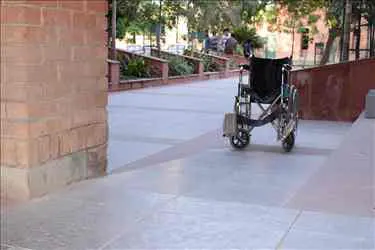
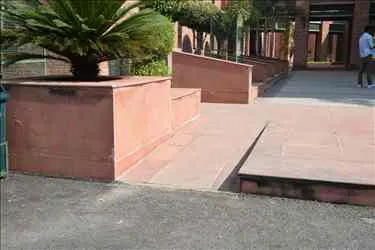
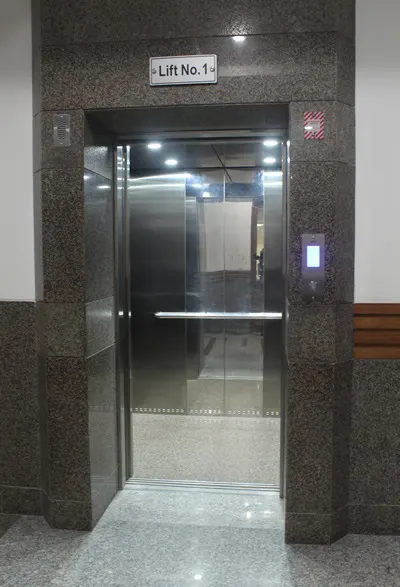
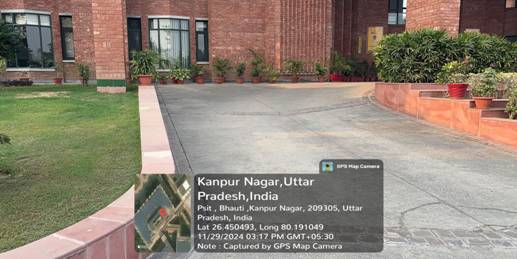
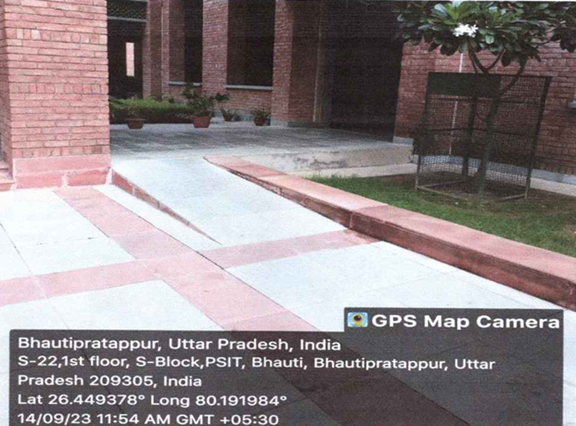
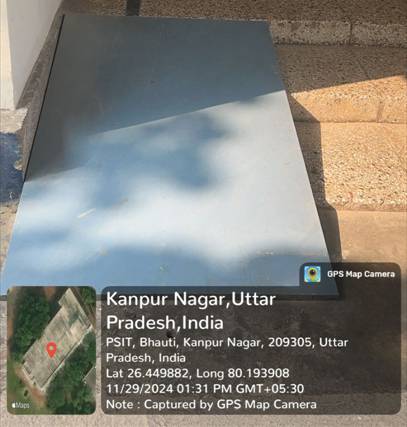
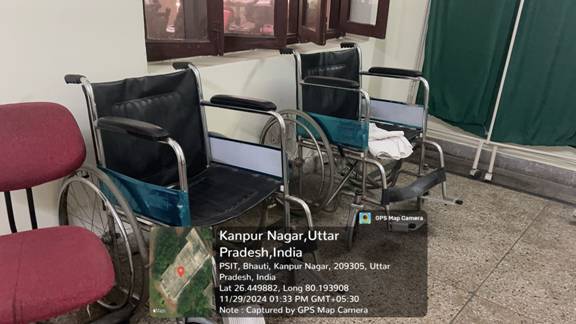
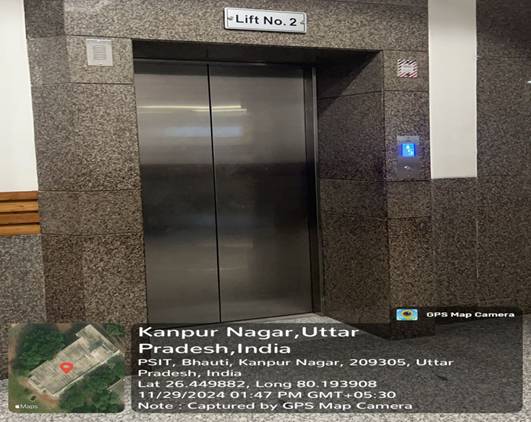
The Institute is divyang friendly as it is uniquely designed to give equal access with ample provision of ramps and interconnected blocks with a covered gallery on all floors. Each floor is centrally accessible through a set of two lifts with a provision of wheelchairs and a specially designed fresh room for Divyang.
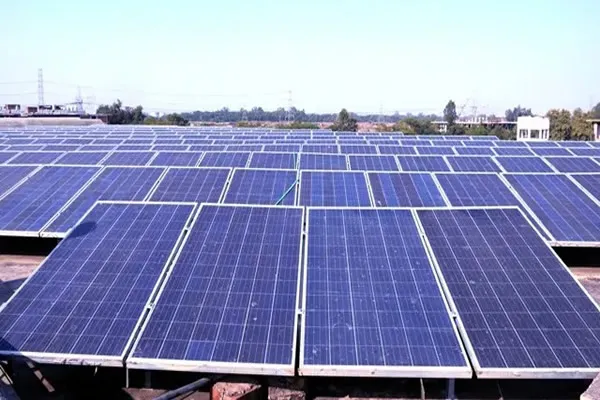
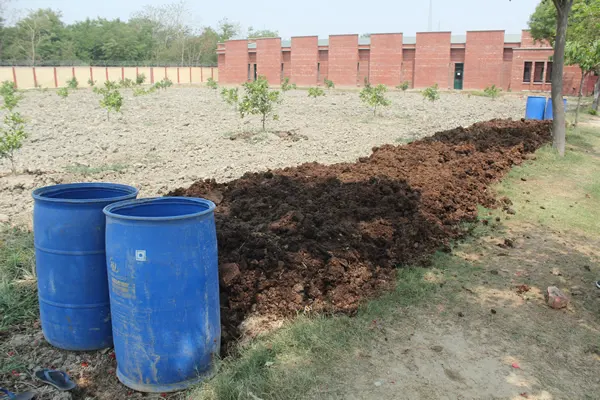
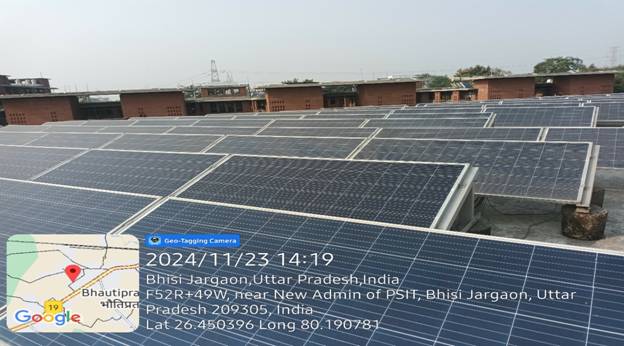
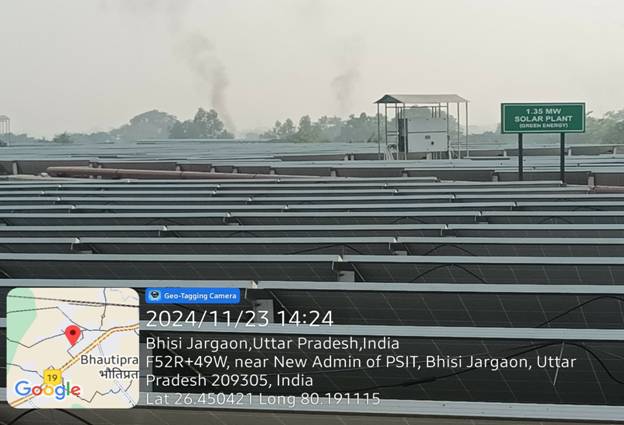
The institute reaffirms its commitment towards green initiatives and building a sustainable ecosystem for a better tomorrow. We are committed to providing our students a clean and healthy environment. A 25000 ltr RO Plant, a 1350 KW Power Plant and a three-chambered Vermicompost Plant are a few initiatives which help us practice an environmentally mindful lifestyle.